Last updated November 23, 2026
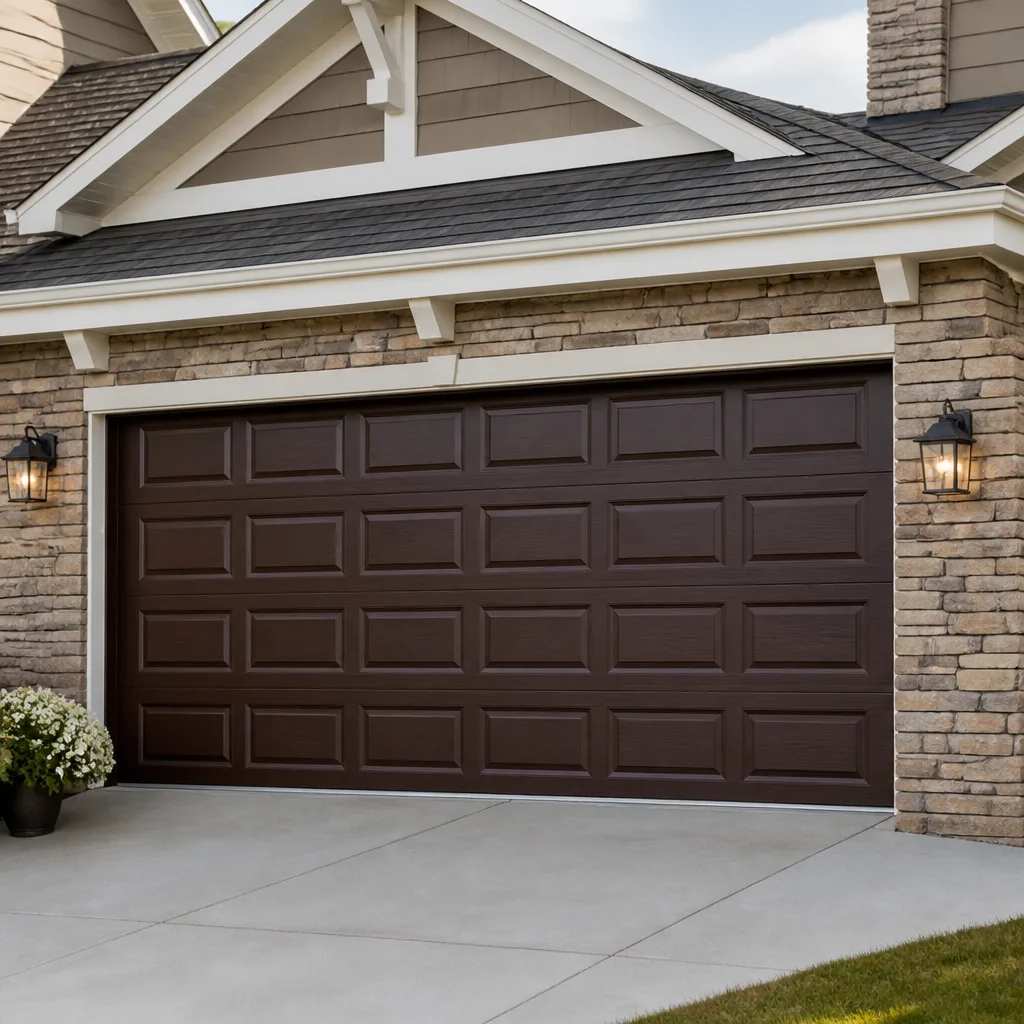 Raised-panel steel
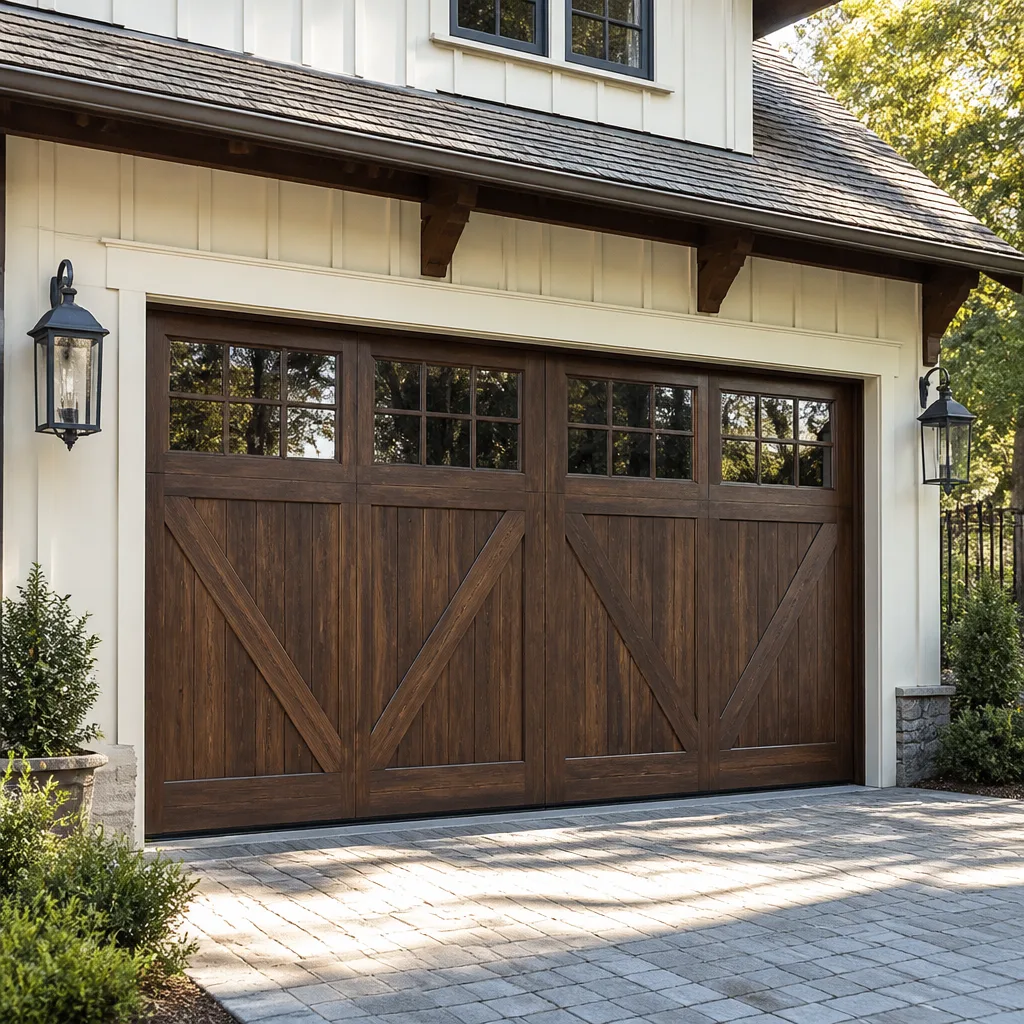 Carriage house
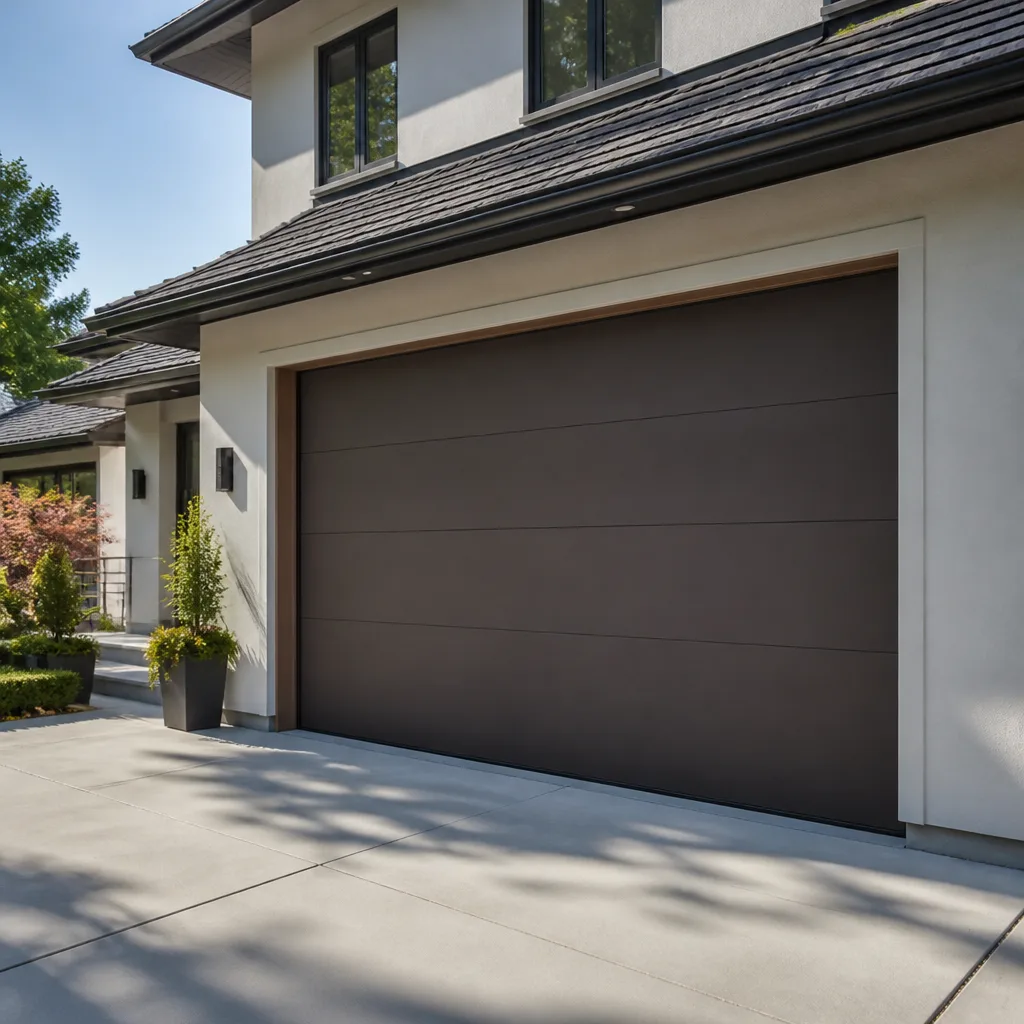 Modern flush
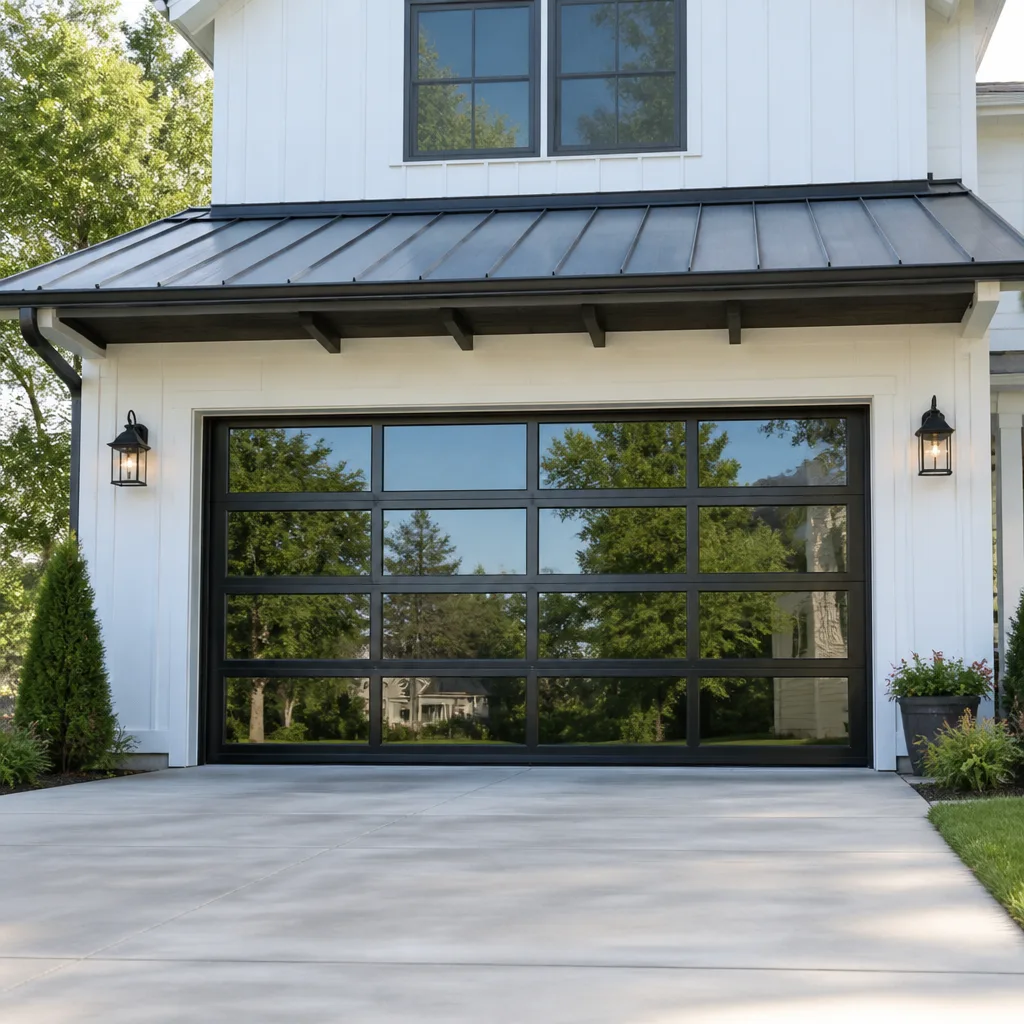 Full-view glass
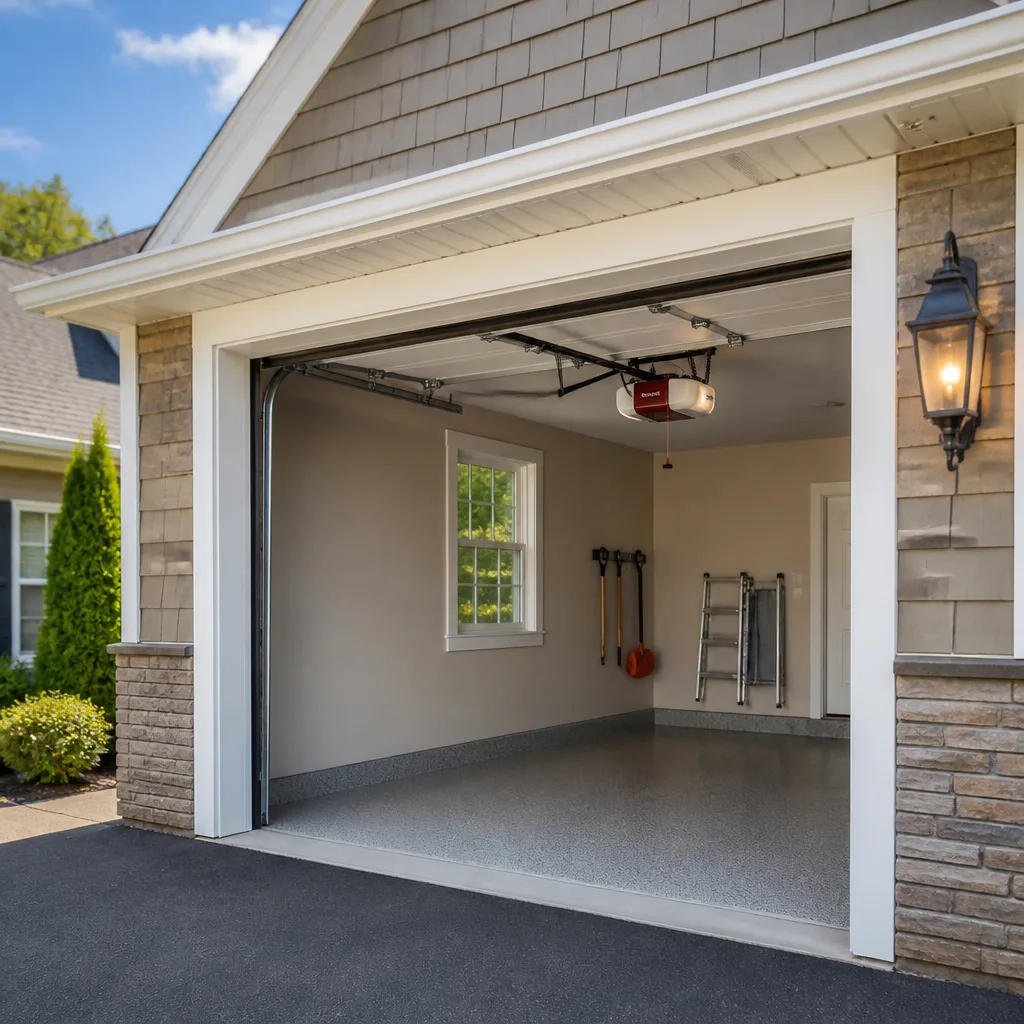 LiftMaster openers
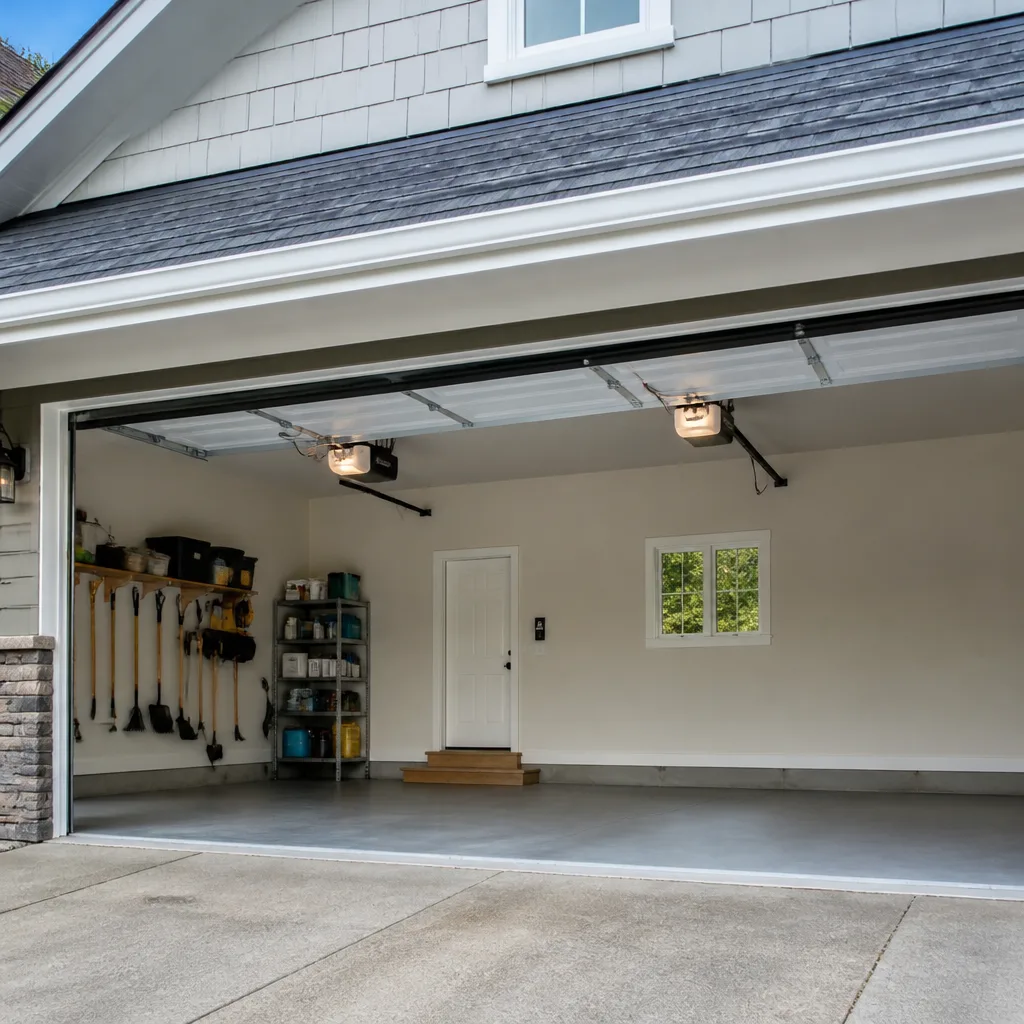 Chamberlain openers
Full 25-point door and opener safety check with every visit - springs, cables, rollers, tracks, and your LiftMaster or Chamberlain opener included
You get a price before we start. It does not change when the pro arrives.
Get your free estimateDIY vs Professional Garage Door: The Doral Homeowner’s Decision Guide
A torsion spring can store roughly 100 foot-pounds of torque. A video can show you the sequence, but it can’t teach your hands what “fully wound” feels like when a winding bar starts to slip. That gap between watching and doing is the whole story here.
Most advice on this topic splits into two camps that are both wrong. One says the garage door is a mystery only a pro should touch. The other says the parts are cheap and YouTube has you covered. In Doral, the truth is layered. Some jobs sit comfortably in a homeowner’s reach. Some carry real physical risk. Some carry legal risk under Florida rules. This guide draws those lines precisely, so you decide with facts instead of nerves.
Quick Answer
Sensor alignment, lubrication, remote pairing, and visual inspection are genuinely safe to handle yourself. Spring work, cable replacement, and full installation are professional-only because of stored tension and code requirements. The borderline tasks – panel swaps and track adjustment – depend on the door and your comfort with heavy lifting.
Styles & brands we work with
- Raised-panel steel
- Carriage house
- Modern flush
- Full-view glass
- LiftMaster openers
- Chamberlain openers
Table of Contents
- The Three-Tier Task Breakdown
- The Legal Dimension: What Florida Law Won’t Let You DIY
- Parts and Tool Sourcing in South Florida
- Cost-Benefit Math for the Borderline Jobs
- Liability and Insurance After a Wind Event
- How Doral’s Climate and Housing Stock Affect Your Door
- What a Professional Visit Actually Involves
The Three-Tier Task Breakdown
Sort every garage door task into one of three buckets before you decide anything. The bucket, not your confidence level, tells you whether to pick up a wrench.
Tier 1: Genuinely DIY-Safe
- Photo-eye sensor alignment. A door that reverses for no reason often just has a misaligned sensor. Straighten it, check the indicator light, done.
- Lubrication. Rollers, hinges, and the opener rail want a light application of proper garage door lubricant. No grease guns.
- Remote reprogramming. Pairing a new remote to a LiftMaster or Chamberlain opener is a book-and-button job.
- Visual inspection. Look at cables for fraying and springs for gaps. Looking is always safe. Touching is not.
- Battery swaps. Keypads, remotes, and safety sensors all take ordinary batteries.
Tier 2: Proceed With Caution
- Panel swap on a sectional door. Feasible on some models, but panels are heavy, awkward, and easy to dent on the way in.
- Track adjustment. A minor bump can be corrected with a rubber mallet, but the door’s tension has to be released first on many setups. That moves the job into Tier 3 quickly.
- Weather seal replacement. Mostly safe, but you’ll be on a ladder near door edges that can pinch.
Tier 3: Professional-Only
- Torsion and extension spring repair. The spring is under load even when the door is closed. That’s the dangerous part most people miss.
- Cable replacement. Cables are what keep a spring from turning into a projectile.
- New installation or full replacement. This is measured, ordered, and permitted work. It’s not a weekend project.
- Opener motor or gear replacement. Doable in theory, but the openers on the market today – Genie and Raynor among them – vary enough that a wrong diagnosis wastes a Saturday.
The Legal Dimension: What Florida Law Won’t Let You DIY
Competence isn’t the only gatekeeper in Doral. Florida and Miami-Dade County add a legal layer that no tutorial covers. A new garage door is a structural opening on your home, and the county treats it that way.
In practical terms:
- New door installation typically requires a permit in Miami-Dade. Ask the city’s building department for the specifics of your address before you order anything.
- Miami-Dade is a High Velocity Hurricane Zone (HVHZ) county. That designation shapes which products are approved for use. A door that isn’t rated for the zone won’t pass inspection.
- Permitted work involves a licensed contractor. A homeowner pulling a permit for their own home in some cases is one thing; a wind-rated opening with a product approval is another. Get the answer from the building department before you swing a hammer.
Here’s the part most guides skip: even a repair can cross that line if it changes the structural rating of the opening. Replacing a spring with a non-matching spring changes the door’s balance and can void the wind-load rating. That matters in Doral, where wind is a real design factor.
If you aren’t sure whether your job needs a permit, that’s a signal to ask. Call the building department. Then decide whether to continue down the DIY path or bring in a specialist who handles permitted work daily.
Parts and Tool Sourcing in South Florida
Local availability changes the DIY math considerably. In Doral, and across South Florida generally, the supply chain for garage door parts is uneven. This is where the “parts are cheap” argument starts to break down.
What you can usually find locally:
- Basic hardware. Hinges, rollers, and lubricant are stocked at most home improvement stores.
- Remotes and keypads. Common models for LiftMaster and Chamberlain are widely available.
- Weather seals. Standard sizes are easy to find.
What often requires shipping:
- Torsion springs. Springs are matched to door weight and height. You can’t buy a generic one and hope. Order the wrong spring and you’ll wait for another shipment while the door stays down.
- Panel replacements. Specific color and profile panels for brands like Clopay or Wayne Dalton typically ship from a distributor, not a shelf.
- Opener logic boards and gear assemblies. These are model-specific. A Craftsman opener from one model year won’t take another year’s board.
That shipping delay is the hidden cost. A spring repair that should take an afternoon can stretch to a week of waiting. If your door is your primary entry, a week without it is a real number in your household schedule. It’s a big reason we keep spring repair as a named service: the part is measured and swapped in one visit, not ordered and hoped for.
Cost-Benefit Math for the Borderline Jobs
Some tasks are worth the DIY savings. Others aren’t, and the math isn’t close. Here’s how the borderline jobs break down.
Sensor alignment, lubrication, remote pairing
These are zero-cost or near-zero-cost DIY wins. There’s no labor saving to argue about because there’s no meaningful labor to hire out. Handle them yourself.
Panel swap
The DIY cost is a single panel plus shipping. The risk is cosmetic – a bent panel or scratched paint. If you’re comfortable handling a large flat object through your garage without a helper, this one is reasonable. If the panel is on a wind-rated door in Doral, though, check the product approval first. The wrong replacement panel is a real problem.
Track adjustment
A minor misalignment that doesn’t involve tension release is a quick fix. Once tension is involved, the labor you save isn’t worth the risk of a cable going slack. That’s the crossover point.
Spring work
There is no meaningful DIY saving here. The labor is the work. The spring cost is the same whether a homeowner or a technician installs it. The only thing DIY gets you is a risk of serious injury. If you need this done, garage door spring repair exists as a service for exactly this reason.
That’s the pattern to remember: when the labor is the bulk of the job, the DIY savings are real and the risks should be weighed. When the labor is the work, there’s no saving to be had.
Liability and Insurance After a Wind Event
Unpermitted or improperly installed garage doors create a claims problem in an HVHZ county. This is the angle almost nobody discusses until it’s too late.
The mechanics of it:
- A wind event damages the door. The claim adjuster looks at the door’s product approval documentation and installation history.
- If the door has no permit trail, the adjuster may query whether the door met the zone’s rating at all.
- If the door was installed by a non-licensed party, that adds a second layer of questions to the claim.
- The door’s rated performance depends on correct installation. Springs, cables, and brackets installed incorrectly change how the door behaves under load.
We’re not going to tell you an adjuster will deny a claim outright. That’s a guessing game with your money. But it’s fair to say that a permitted, documented installation protects you in ways a DIY job can’t. In Doral, that documentation is worth having whether or not you ever file a claim. A full installation that includes the permit trail is one of the reasons we treat garage door repair and installation as related services instead of separate businesses.
If you bought a home in Doral with an older door, it’s worth checking whether the door has documented approval. That’s a question for the county, and it’s quicker to resolve now than during a storm claim.
How Doral’s Climate and Housing Stock Affect Your Door
Doral’s summer heat and humidity create a slower, steady kind of wear. This isn’t a dramatic climate story. It’s about what happens to metal, wood, and lubricant over hundreds of hot, humid days.
- Lubrication dries out faster. The heat accelerates it. A door that squeaks in August is telling you the lubricant is gone.
- Wood and wood-composite doors absorb moisture. Over time, panels can swell slightly, which affects how the door tracks.
- Metal components expand in the sun. A door on a south-facing wall runs hotter and can track differently in the afternoon.
- Rain drives into seals. The weather stripping degrades faster here than in a dry climate. Replacing it is generally a Tier 2 job.
Doral’s housing stock adds its own wrinkle. The city has a mix of newer construction and homes that have had doors replaced once already. On those older doors, springs are often the same age as the door and the rest of the hardware. When one spring fails, the matched pair is usually near the end of its life too. That’s not a DIY decision, because the second spring is just as loaded. Our technicians have up to 15 years of experience and can tell you on inspection whether the failure is isolated or the whole assembly is due.
What a Professional Visit Actually Involves
A good garage door visit in Doral looks the same whether the door is a LiftMaster opener failure or a full replacement. The sequence is predictable. That predictability is the point.
- You describe the symptom. What changed, what it sounds like, whether the door moves at all.
- The technician inspects the full system. Springs, cables, rollers, hinges, tracks, and the opener. Not just the part you named.
- You get a written estimate before any work starts. That’s the price. The number quoted and the number you pay match.
- The work happens. For repairs, it’s completed in the same visit where parts allow.
- You get a post-repair check. The door is cycled, the safety reverse is tested, and you confirm the balance.
We work on the brand already installed in your home. That matters in Doral because door brands here are mixed – LiftMaster openers, Wayne Dalton doors, and older Craftsman systems are all common in the area. A general handyman may stall on a brand he doesn’t know. We work on garage door opener repair across the eight brands we service, so there’s no dead end if you mention the wrong one.
Common Mistakes to Avoid
- Assuming a closed door means an unloaded spring. That’s the most dangerous misconception in this whole guide. Springs are under tension at rest.
- Replacing a single spring when the pair is matched. A new spring next to an aged one changes the balance and stresses the weaker unit.
- Forgetting to check whether the task requires a permit. In a High Velocity Hurricane Zone like Miami-Dade, a new door without documentation is a claims problem you can avoid.
- Buying a generic spring online. Springs are matched to door weight and height. An unmatched spring is unsafe and won’t balance the door.
- Ignoring a slow opener. A motor that’s gotten sluggish in Doral’s heat is usually a warning, not a personality quirk.
- Lubricating with the wrong product. Grease on a track attracts grit. Use garage-door-specific lubricant on hinges and rollers, not the track.
- Trying to force a door off track back into position. The spring tension is what pulled it out. A door wedged off-track is a call-now situation, not a pull-harder situation.
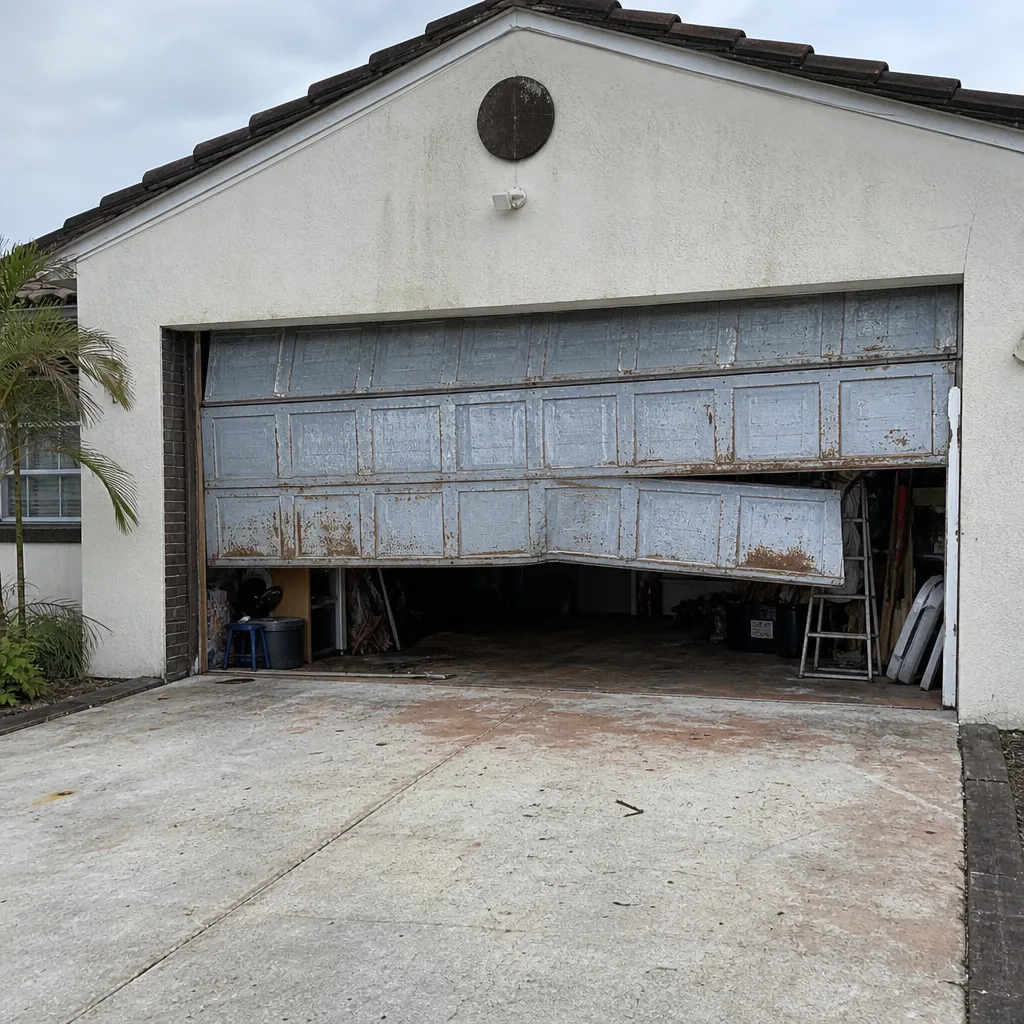
See the difference
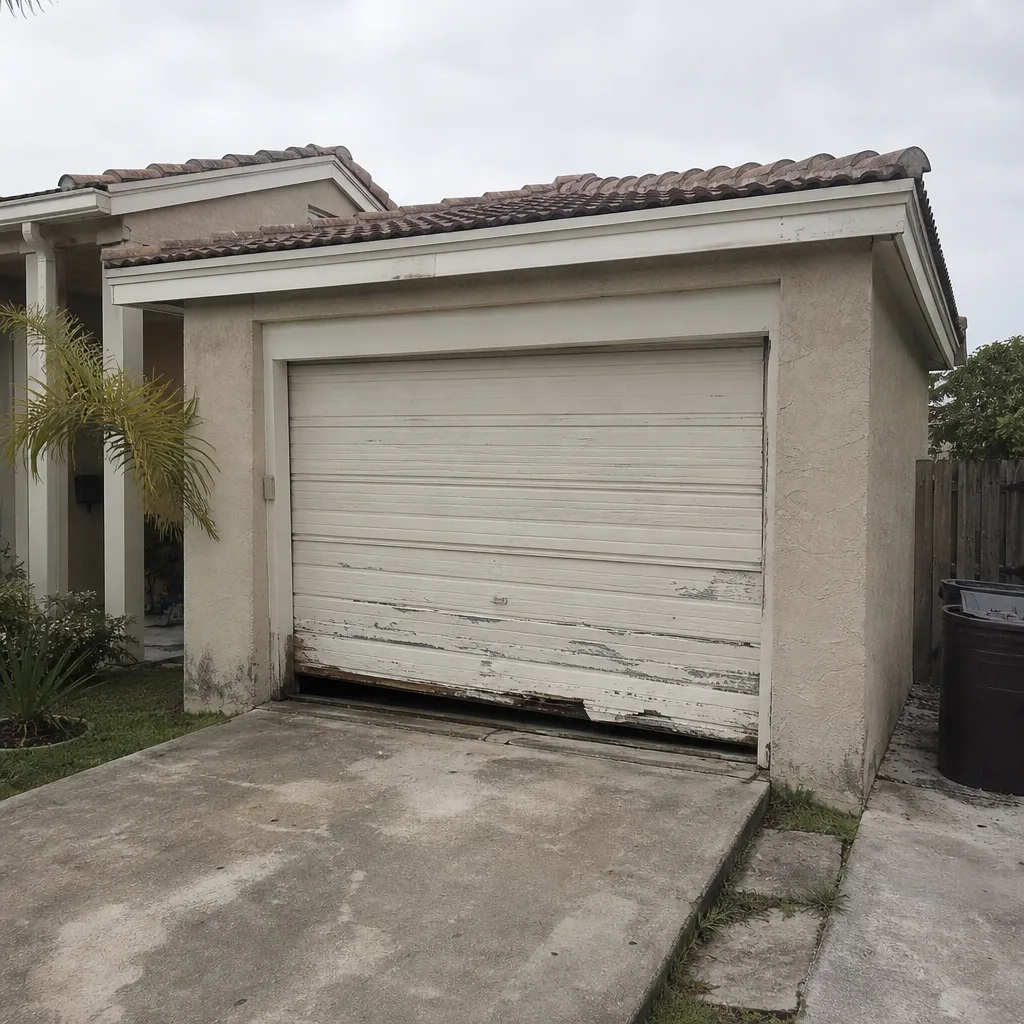 Before
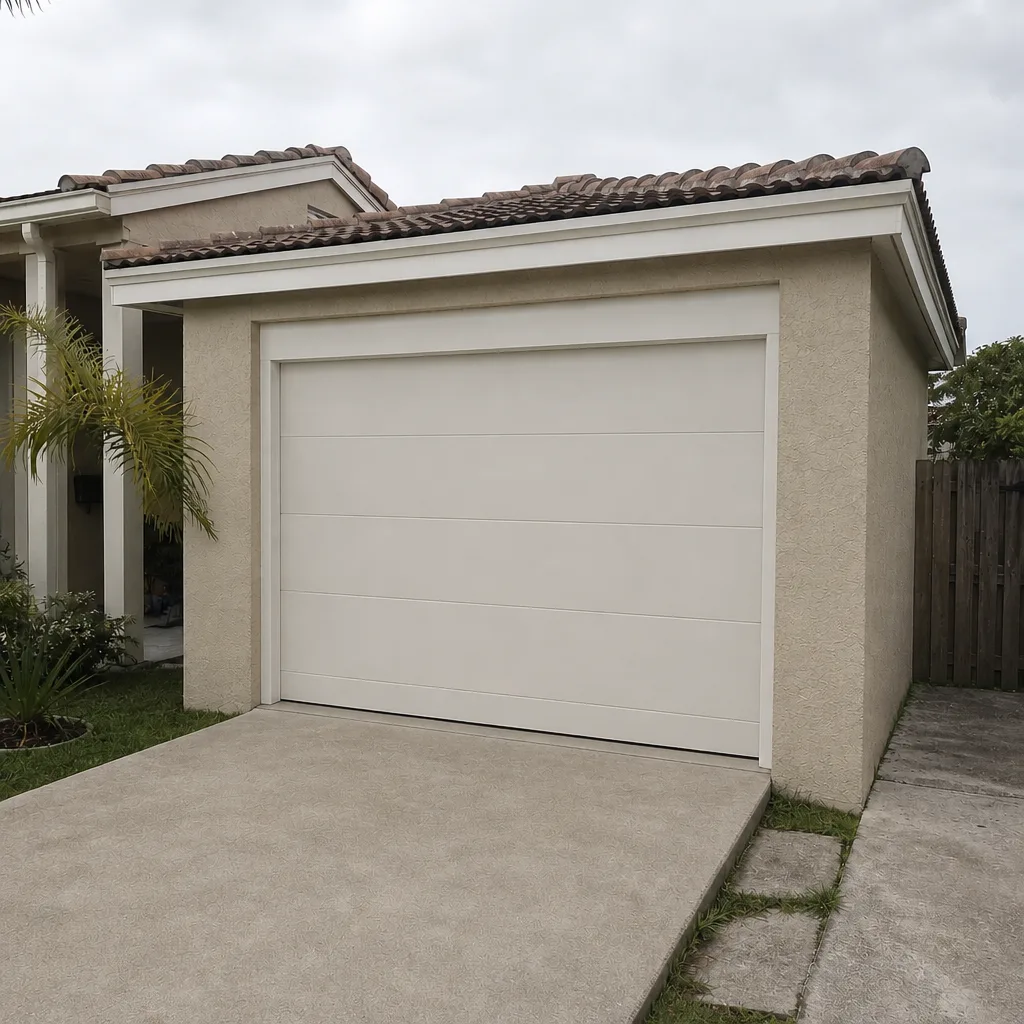 After
 Before
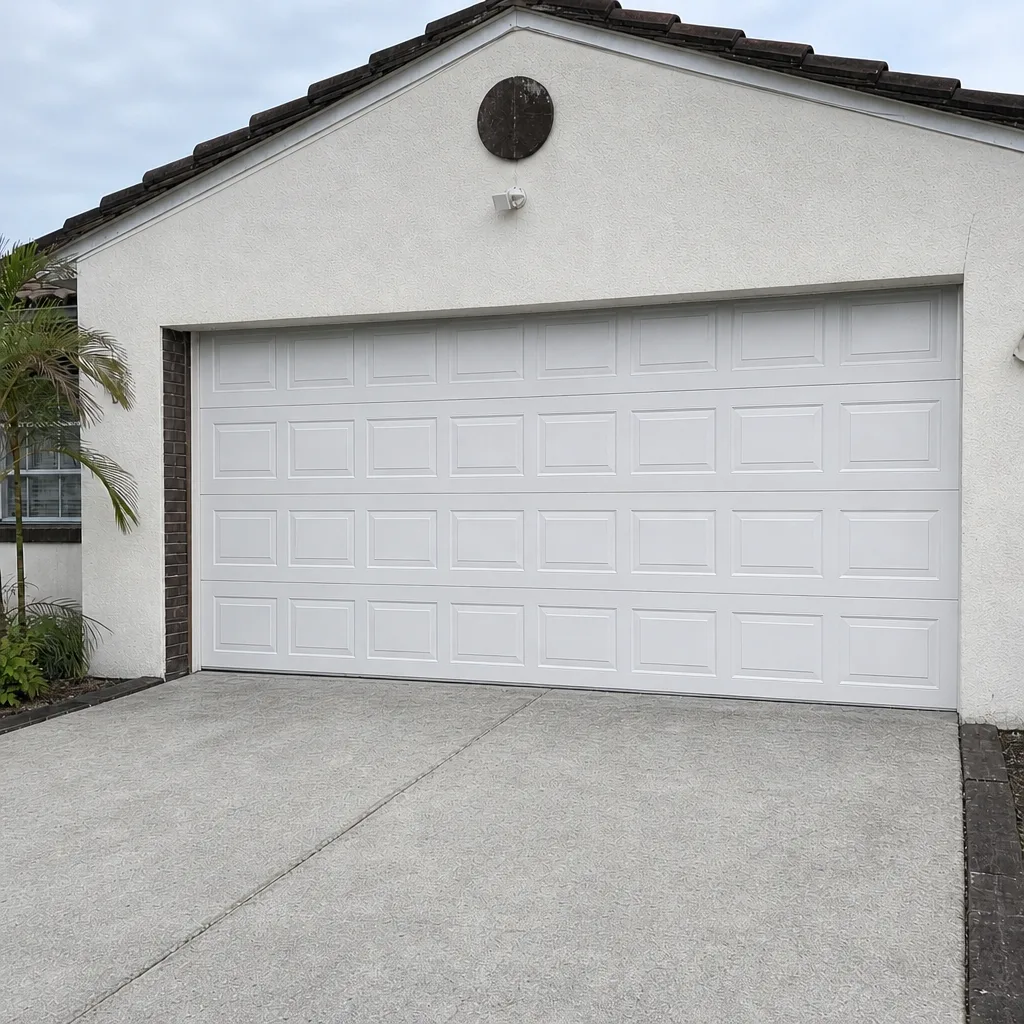 After
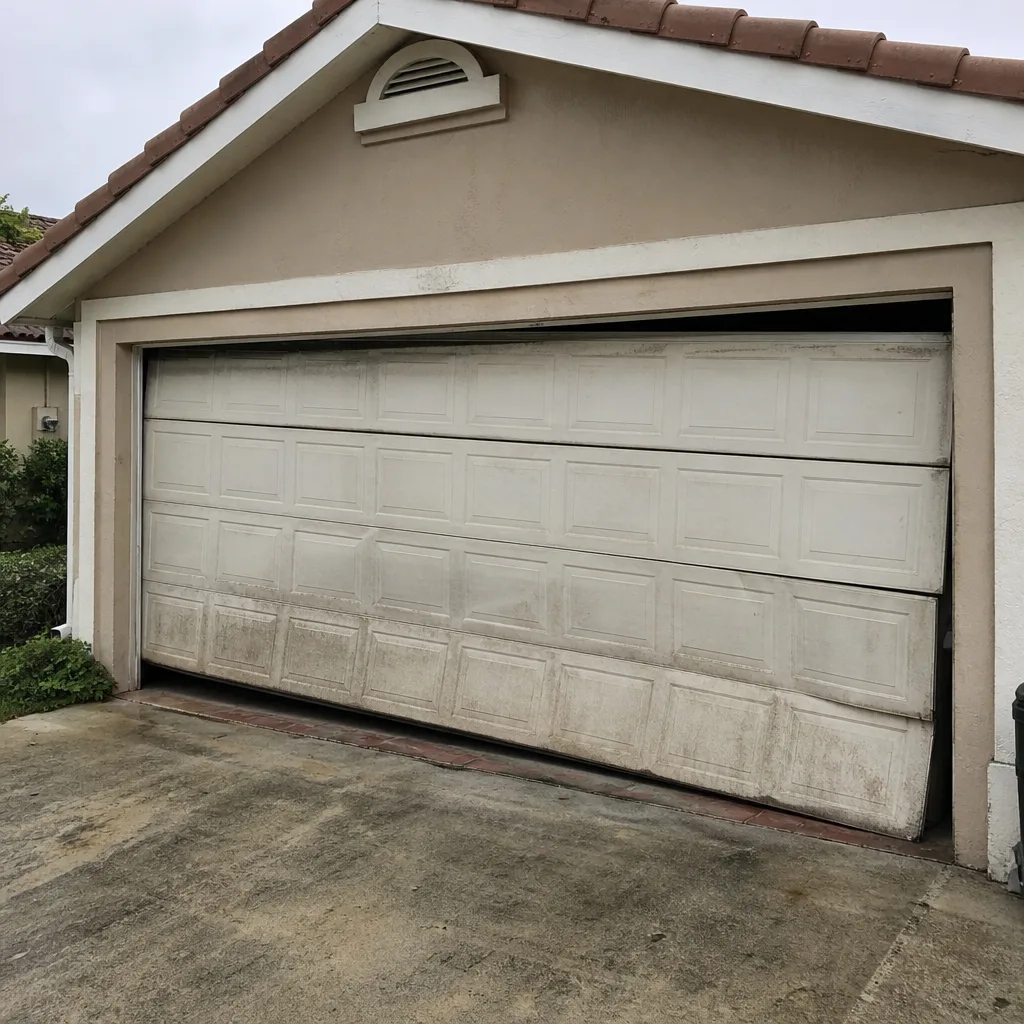 Before
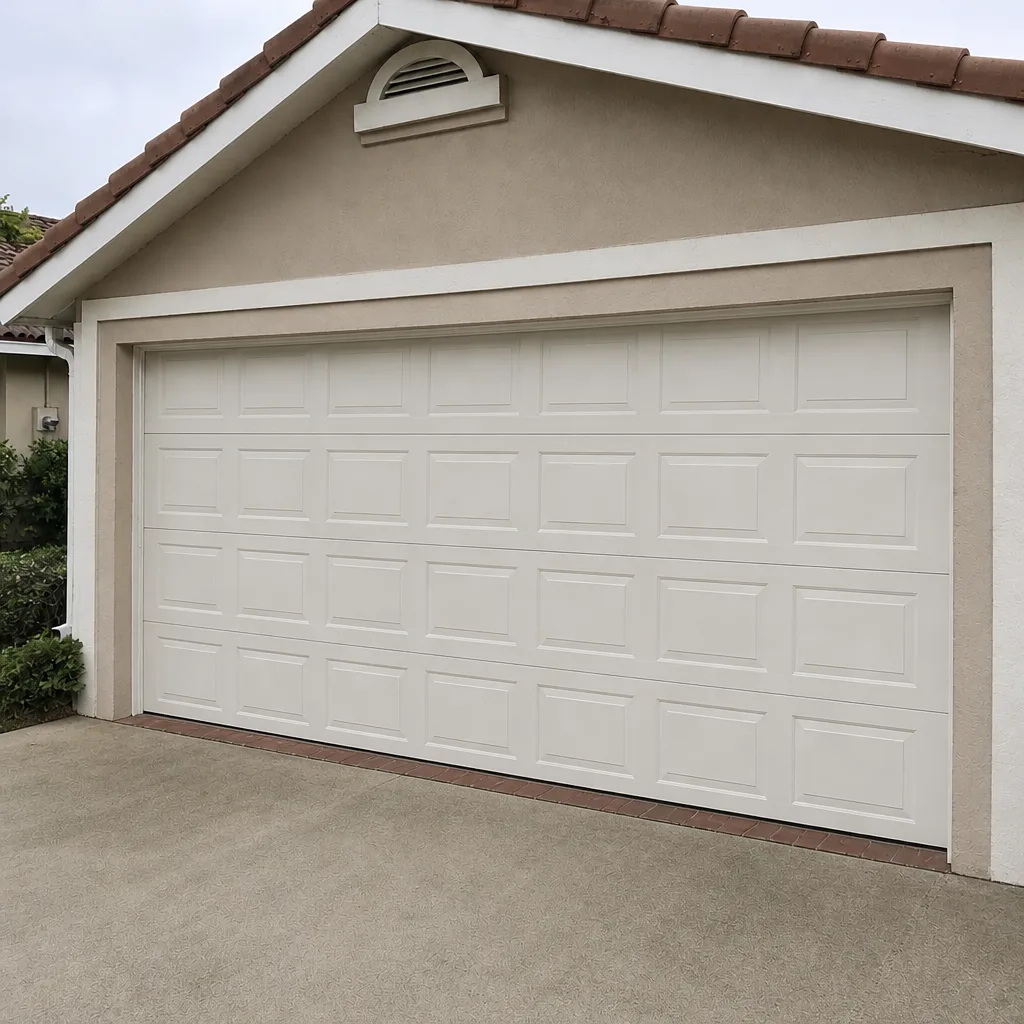 After
When to Call a Professional
Call a professional when the job involves springs, cables, or anything requiring you to release or retension the door. Call when the door is off-track and you can’t see exactly why. Call when you’re planning a new installation, because the permit and product approval side isn’t a solo job in Miami-Dade. Call when the opener is failing on a brand you don’t recognize, because diagnosis is faster than guesswork.
And call when the door is open and won’t close after dark. Emergency garage door service is a confirmed offering here, and we treat a door that can’t secure your home as urgent. Our technicians have up to 15 years of experience and work on the systems Doral homes actually have. Doral Garage Door Repair Pros offers free estimates in Doral. Call (833) 508-9161.
Frequently Asked Questions
No, we don’t recommend it. Torsion springs store enough energy to cause serious injury when a winding bar slips, and there’s no way to safely practice that release. Spring work is professional-only regardless of your comfort with tools. If the spring has failed, call (833) 508-9161 for a free estimate.
In most cases yes, and you should confirm with the city’s building department for your address. Miami-Dade is a High Velocity Hurricane Zone county, and new doors need product approval for the zone. Permitted work involves a licensed contractor. Call (833) 508-9161 if you want a written estimate on a new installation.
No. The written estimate you get before work starts is the price you pay for that job. If the inspection finds a second problem – a worn cable alongside a broken spring, for example – the technician will tell you before touching it and quote it separately. Call (833) 508-9161 for a free estimate.
The main difference is risk, not skill. A sensor alignment is DIY. A spring repair is not, because the stored energy is dangerous regardless of how careful you are. A new installation is not, because the permit trail matters for insurance in an HVHZ county. Call (833) 508-9161 if you’re unsure which category your job falls into.
Yes, and it’s one of the more common emergency calls. A door off track usually means something in the tension system has shifted. Don’t try to force it back – call us. Emergency garage door service is available, so call (833) 508-9161 and we’ll confirm timing.
Most likely yes. We work on LiftMaster, Chamberlain, Genie, Clopay, Amarr, Wayne Dalton, Craftsman, and Raynor systems. If you aren’t sure what’s installed, the technician can identify it during the first visit. Call (833) 508-9161 with your model and we’ll confirm.
The Bottom Line
The DIY vs professional question comes down to which bucket the task falls into. Sensors, lubrication, and remotes stay in your hands. Springs and cables go to a specialist, because the risk isn’t worth any labor saving. New installs go to a specialist because the permit and product approval trail protects you in Miami-Dade’s HVHZ. Everything in between is a judgment call, and now you have the framework to make it. If you’d rather not sort it out alone, Doral Garage Door Repair Pros can give you a free estimate. The written quote is the price – no surprises after.
Call (833) 508-9161 today for a free estimate and a written, upfront price before any work begins. We’re the garage door specialist for Doral, from a snapped spring to a full new installation.
Written by the team at Doral Garage Door Repair Pros.