Last updated November 23, 2026
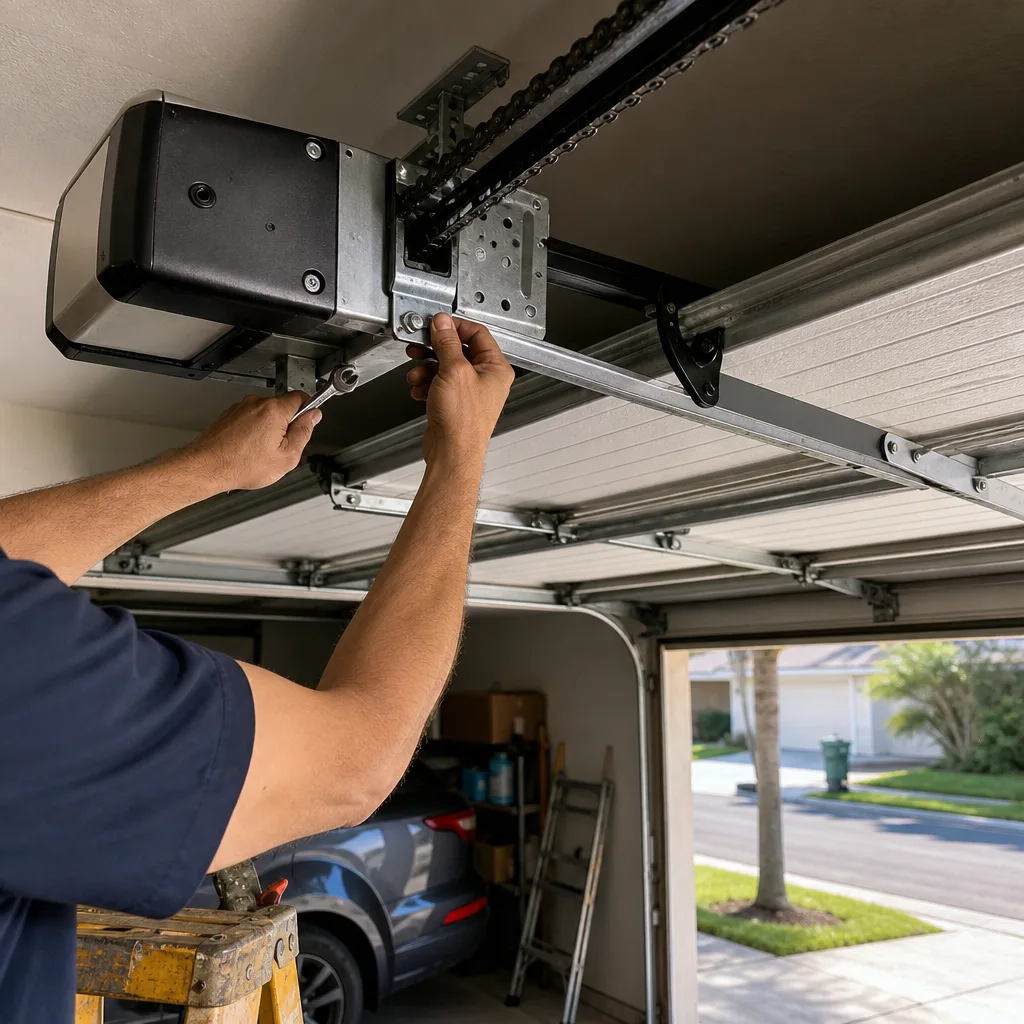
 Raised-panel steel
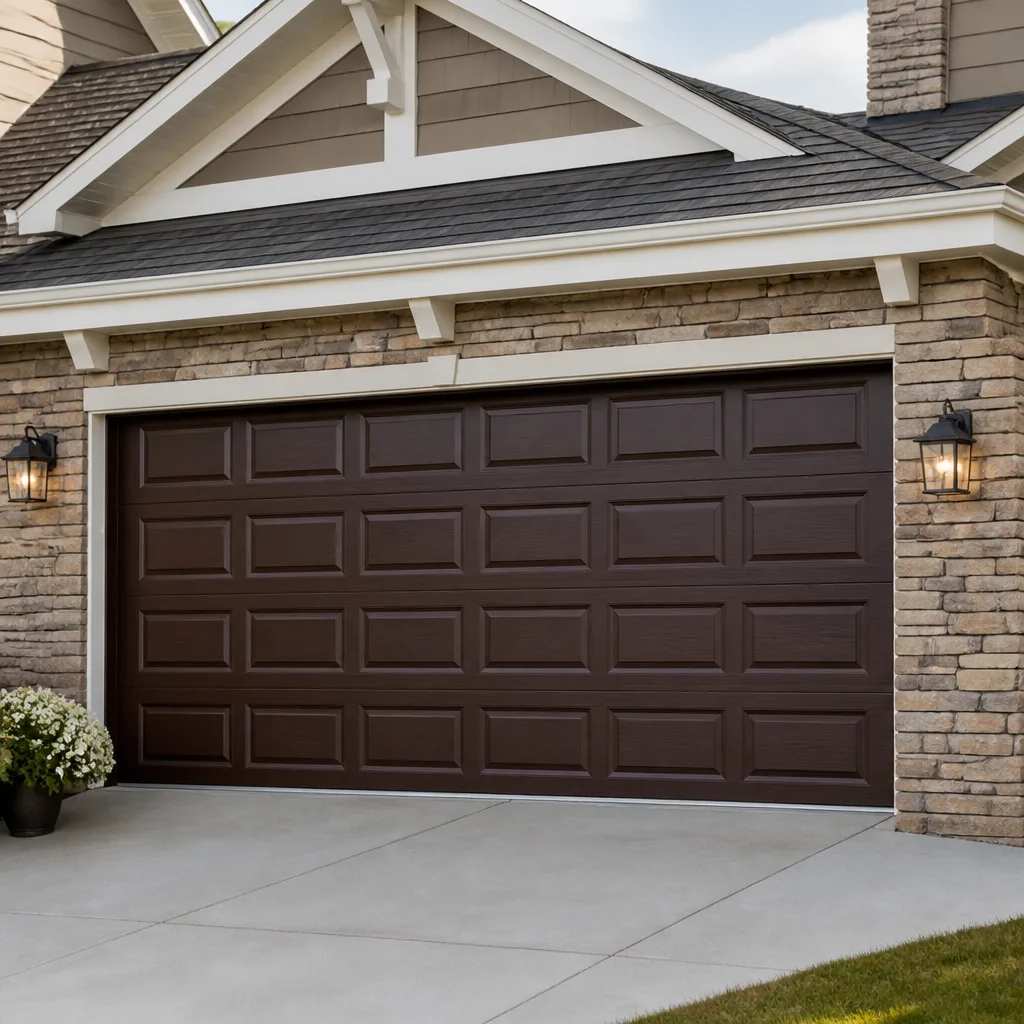
 Carriage house
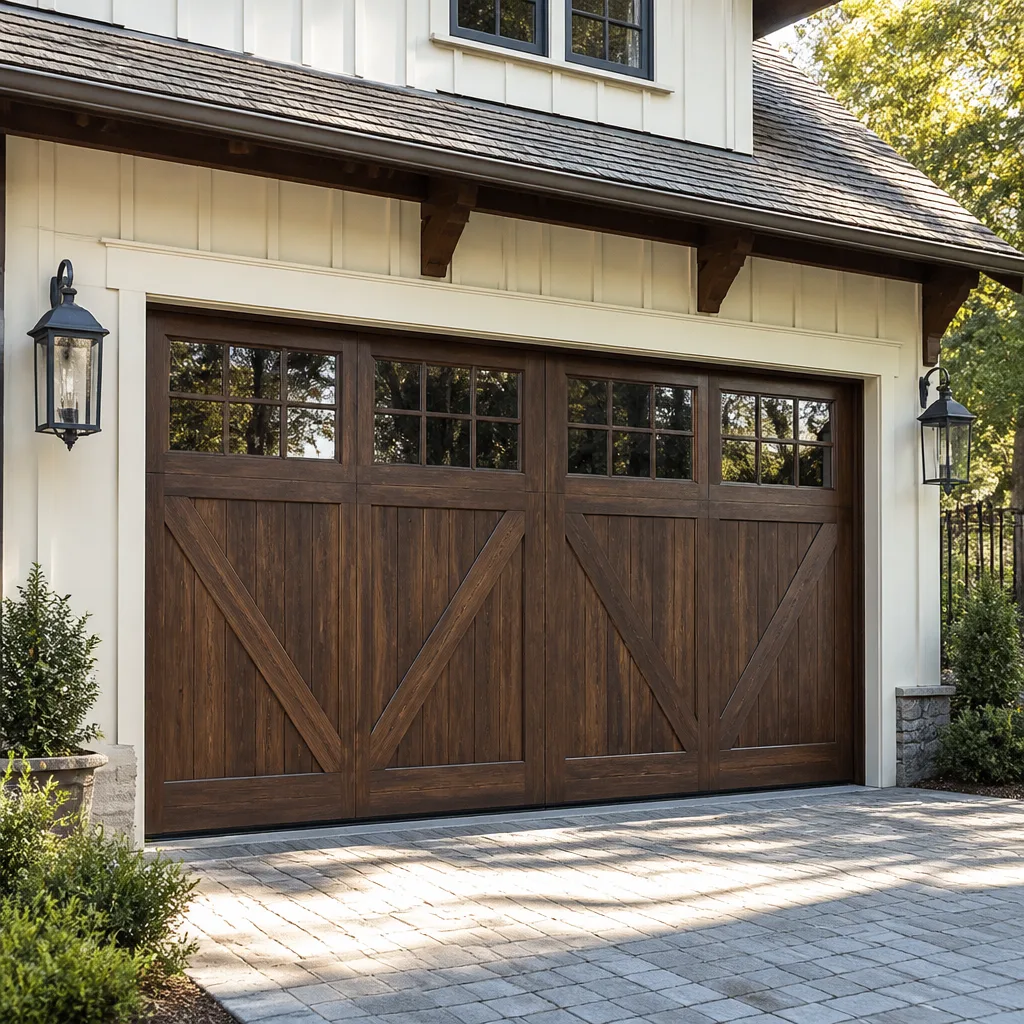
 Modern flush
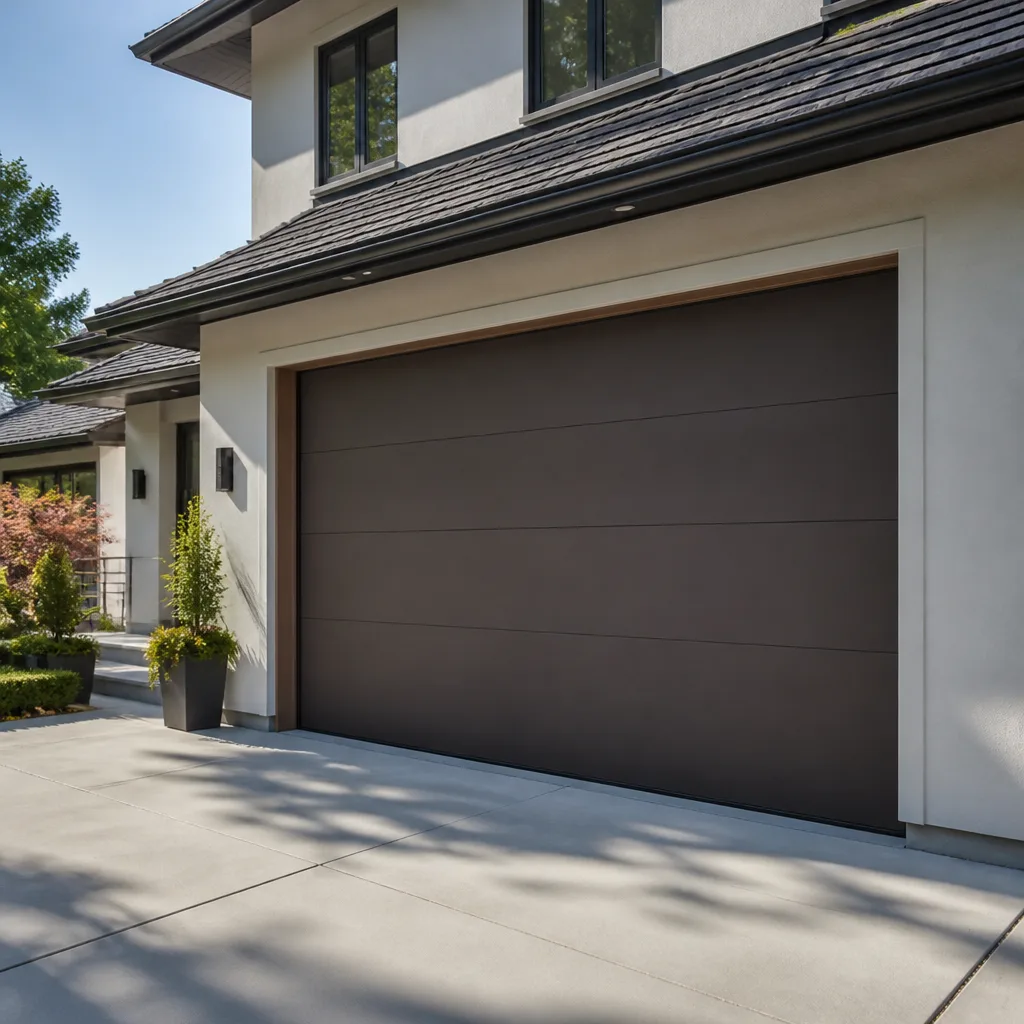
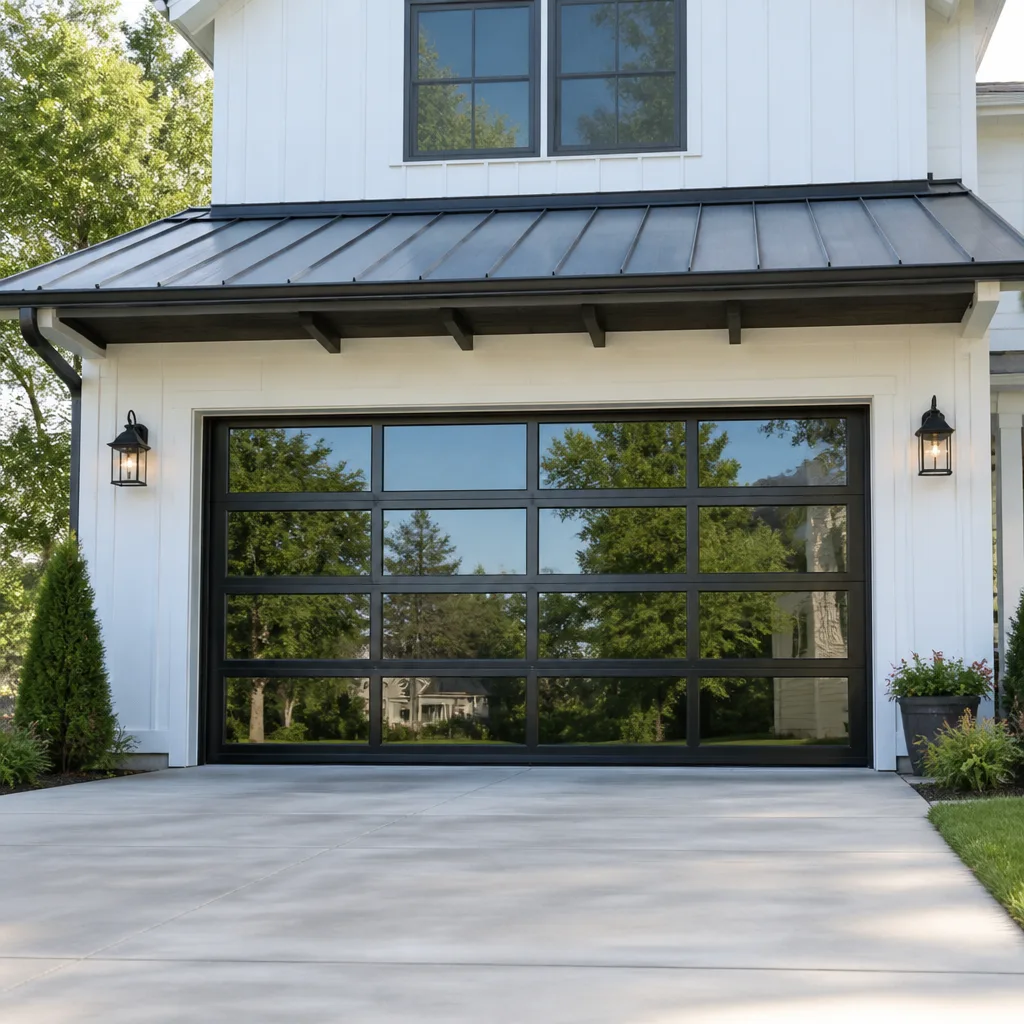 Full-view glass
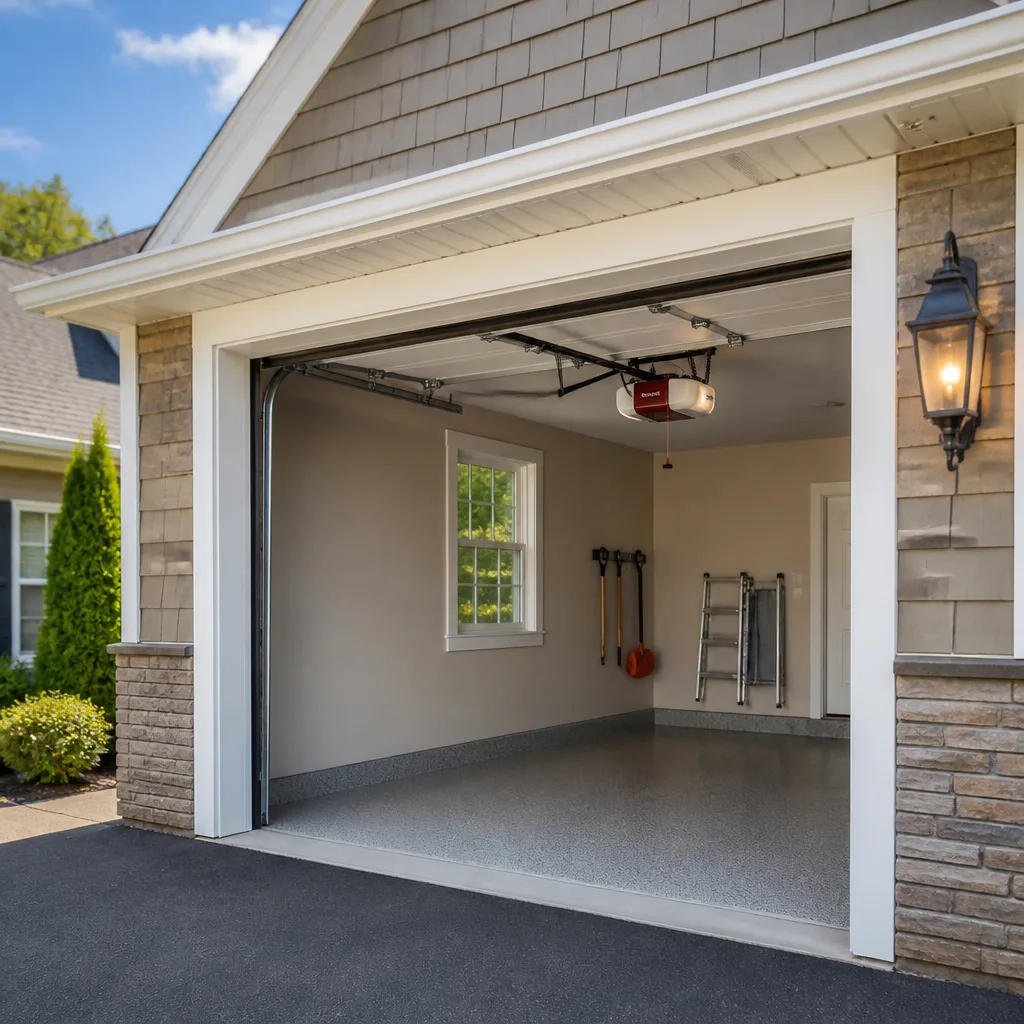 LiftMaster openers
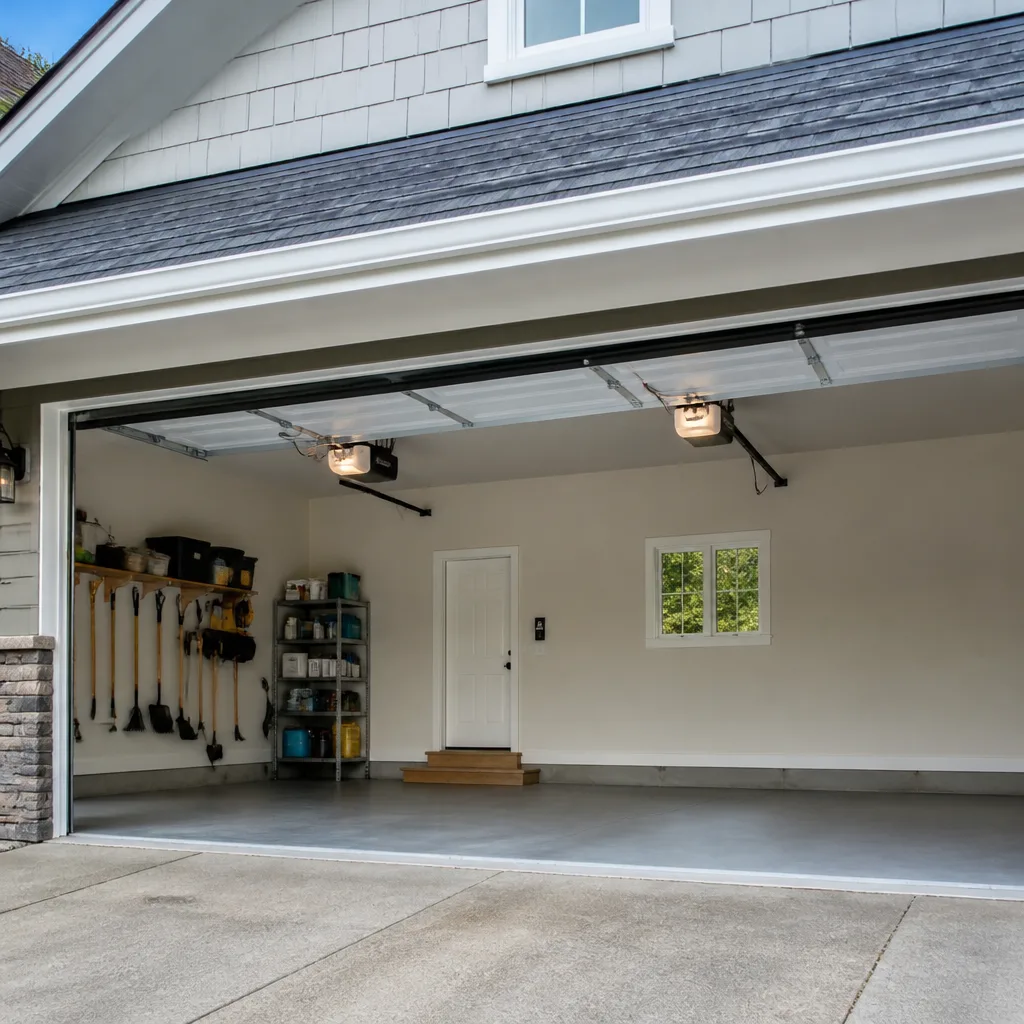 Chamberlain openers
Full 25-point door and opener safety check with every visit - springs, cables, rollers, tracks, and your LiftMaster or Chamberlain opener included
You get a price before we start. It does not change when the pro arrives.
Get your free estimateGarage Door Warning Signs: A Doral Homeowner’s Reference Guide
A garage door that takes two seconds longer to open than it did six months ago isn’t “getting old.” It’s telling you the spring tension is off by a measurable amount, and that number is going to reach zero at a moment you won’t choose. Most garage door failures in Doral don’t come out of nowhere. They announce themselves through sounds, speed changes and visual cues weeks before the door stops moving. The problem is that most homeowners don’t know what they’re hearing or seeing, so they wait until the door is stuck halfway down with a car trapped inside. This guide decodes those signals the way a technician reads them on a diagnostic call, so you can tell the difference between cosmetic wear and a component that’s about to fail, and schedule the fix on your terms instead of the door’s.
Quick Answer
The main warning signs of an impending garage door failure in Doral are a door that opens slower than it used to, grinding or popping sounds during travel, a door that drifts down when you let go halfway, visible rust or gaps in the springs, and an opener that cuts out when the garage gets hot. Any one of these signals means the system is out of calibration or a component is wearing out. None of them fix themselves, and most give you a window of weeks, not hours, to get ahead of the failure. A trained technician can confirm which part is responsible and quote the repair before anything is done.
Styles & brands we work with
- Raised-panel steel
- Carriage house
- Modern flush
- Full-view glass
- LiftMaster openers
- Chamberlain openers
Table of Contents
- What Do the Noises Mean? A Sound-Based Diagnosis
- The Speed and Balance Tests You Can Run Safely
- Reading Your Springs: South Florida Rust Patterns
- Opener Behavior That Signals Motor or Sensor Trouble
- Visual Cues You Can Check on a Doral Door
- The Timeline Math: How Long Do You Have?
- Common Mistakes to Avoid
- When to Call a Professional
What Do the Noises Mean? A Sound-Based Diagnosis
Every sound a garage door makes maps to a specific mechanical part, and the difference between them matters. “It’s making a noise” tells a technician almost nothing. “It pops once at the start and then grinds on the way up” points straight at the torsion hardware. Here’s how we sort the four most common sounds.
- Grinding: Metal-on-metal contact, usually the rollers binding in the track or the hinges and bearings running dry. Grinding that worsens over a week is a lubrication and alignment issue. Grinding that starts suddenly often means a roller has seized and the door is dragging it along the track.
- Popping: A loud pop at the start of travel almost always traces to a torsion spring. When a spring unwinds unevenly, the coils catch and release, and that release is the pop. A pop you can hear from inside the house deserves a same-week inspection, not a wait-and-see.
- Squealing: High-pitched squealing comes from friction on moving parts, most often worn rollers or a dry torsion tube. It’s usually the least urgent of the four, but it accelerates wear on everything it touches.
- Rattling: Loose hardware. Bolts back out, hinges loosen and the door panels start to move independently of the frame. Left alone, rattling turns into misalignment, and misalignment turns into a door that comes off its track.
In our experience, the sound that should get your attention fastest isn’t the loudest one. It’s a new sound. A door that’s rattled a little for years is a known quantity. A door that was quiet last month and pops now has changed state, and that change is the signal worth acting on. If a noise is outside the list above and the door has stopped moving entirely, that’s an emergency call rather than a diagnosis.
The Speed and Balance Tests You Can Run Safely
You can measure whether your door is out of calibration without tools, and it takes about five minutes. These are observation tests, not repairs. The one rule is to keep your hands clear of the hinges, the track joint and anything near the springs, because all three can pinch or release with force if the door moves unexpectedly.
- The stopwatch test. Time how long the door takes to travel from fully closed to fully open. Write the number down. Check it again in two weeks. A door that gains a second or two over that window is losing spring tension or fighting friction, and both are measurable.
- The manual balance test. Disconnect the opener using the release cord (pull it with the door fully closed), then lift the door by the bottom handle to about waist height and let go. A properly balanced door stays where you put it. A door that drops is under-sprung and the opener is carrying weight it wasn’t built to carry. A door that rises on its own is over-sprung.
- The half-open drift test. Raise the door halfway and let it sit for a minute with the opener disconnected. Any slow drift downward is a tension problem in progress.
- The reel-in check. Watch the cables at the bottom corners while the door travels. They should wind evenly. A cable that looks slack, crossed or frayed is a stop point, not a fix-it-yourself job, and you should keep people and cars away from the door until a technician sees it.
- The full-travel listen. Run the door one full cycle with the garage quiet. You’re listening for any change in pitch between the first half and the second half of travel. A door that sounds different at the top than the bottom is out of balance.
Doral garages take a beating from heat, and heat changes how a door behaves. The doors on the western side of a block that faces the afternoon sun run hotter than shaded doors a few streets over, and a door’s travel speed can shift slightly between a cool morning and a hot afternoon. That’s normal. A permanent shift is not. If your stopwatch runs long on every check, the door has changed, not the weather.
Reading Your Springs: South Florida Rust Patterns
Springs are the highest-stakes component on the whole door, and they show their condition before they break. Two types are standard: torsion springs on a shaft above the door, and extension springs running along the sides. Both give you visual evidence, and both are dangerous to touch. A torsion spring holds enough stored energy to cause a serious injury if it releases while someone is working near it, which is why spring work belongs to trained technicians and never to a homeowner with a wrench and a video.
The tricky part is telling destructive rust from cosmetic rust. Here’s the distinction we look for:
- Surface oxidation sits on the outside of the coil as a light brown film. Run a fingernail across it and it sits on top of the metal. This is cosmetic and normal in Doral’s humidity.
- Section loss is where rust has eaten into the coil itself. You’ll see pitting, flaking or a visible narrowing of the wire diameter at one spot. That spot is where the spring will break.
- Gaps between coils when the door is closed can mean the spring has stretched or lost tension. A spring that has visibly unwound is on its way out.
- Rust concentrated near the ends of a torsion spring is more serious than rust in the middle, because the ends carry the most stress.
Humidity does the work here, and Doral’s summer air is hard on untreated steel. A spring that would last years in a dry climate can show real pitting faster in a garage that traps moisture and heat. If you see a spring that’s visibly thinner in one place, don’t cycle the door more than you have to. Call for a garage door spring repair assessment, and keep in mind that springs are replaced as pairs. Matched springs wear together, so replacing one and leaving the other is a short-term fix that puts the remaining spring under double the cycles.
Opener Behavior That Signals Motor or Sensor Trouble
Openers fail in patterns, and the patterns differ by brand. A LiftMaster or Chamberlain unit with a battery backup and a wall console will flash a diagnostic code on the console when it trips. A Genie unit often just reverses without a code. Craftsman openers built on the older chain-drive platform tend to develop motor noise before they quit. Whatever’s on your ceiling, the behavior tells you where to look.
- Thermal cutoff: The opener runs one cycle and then refuses to respond for a while, then works again. This is the motor’s heat protection tripping. In Doral, an un-insulated garage can get hot enough that an aging motor trips its limit on a normal afternoon. That’s a failing motor or a failing capacitor, not a fluke.
- Random reversing: The door goes down, hits nothing, and goes back up. Usually a safety sensor or a logic board. Sunlight hitting the sensor lens is a classic cause, and a west-facing Doral garage gets plenty of it.
- Short travel or partial open: The door stops at the same point every time. That’s a limit switch or travel setting issue, and it’s a common symptom on older units when the logic board starts to drift.
- Clicking with no movement: You hear the relay but the motor doesn’t turn. That’s often a capacitor or a stripped gear, and both are garage door opener repair jobs rather than replacements.
- Remote range shrinking: You have to be right at the door for the remote to work. That’s an antenna, logic board or interference issue, and it gets worse over months, not days.
Opener trouble is the one category where a homeowner often can’t tell the difference between a five-dollar part and a dead unit. That’s why we test the whole chain (motor, board, sensors, safety reverse) before quoting anything, and why the quote is agreed before we start.
Visual Cues You Can Check on a Doral Door
Walk around your door with the opener disconnected and the door closed. You’re looking for changes from how it looked last season. Most of what matters is visible from the floor.
- Daylight through the panels: Gaps in the door face let in water, insects and heat. In Doral that means humidity inside the garage and faster wear on hardware. A door that shows daylight between panels is a candidate for garage door repair before the gap widens.
- Track shape: Look down the length of each track. It should be straight. A bend, a dent or a kink at the curve is where the rollers will bind, and a binding roller is what pulls a door off its track.
- Roller wear: Steel rollers that look flat-spotted or nylon rollers that look cracked need replacing. Worn rollers are the quiet cause of most grinding.
- Hinge and bolt condition: Loose bolts, rusted hinges and missing fasteners show up as rattling first and misalignment later.
- Door sag: Stand back and sight along the top of the door. A door that sags in the middle has lost structural integrity, usually from water intrusion or impact, and it needs to be looked at before it’s cycled again.
- Bottom seal: A cracked or missing bottom seal lets water and pests in, and it changes how the door seats against the floor.
Visual checks catch the slow problems, the ones that don’t make noise yet. They’re especially useful in Doral because the humidity drives deterioration in places that don’t announce themselves. If you spot something and you’re not sure whether it’s serious, a free estimate costs you nothing and settles the question. You can also look at the full range of work we handle on Doral Garage Door Repair Pros if you want to understand what a fix might involve before you call.
The Timeline Math: How Long Do You Have?
Warning signs give you a window, and the width of that window depends on which component is failing. Knowing the rough timeline is how you decide between “schedule it this week” and “call now.” Here’s how we bracket it.
- Failing spring (popping, drift, visible pitting): Days to a few weeks. A spring that’s popping can break on the next cycle or fifty cycles from now. You don’t get to pick which. Treat a popping spring as urgent, because a broken spring drops the door and can leave a car trapped.
- Off-track or bent track (grinding, uneven travel): Hours to days. A door that’s climbing out of its track can come down suddenly. Stop using the door and call.
- Cable damage (fraying, slack): Hours to days. Cables and springs work together, and a cable that fails under load lets the door fall. Keep clear and call.
- Opener thermal cutoff or random reversing: Weeks. The opener will keep working intermittently for a while, but each leg of the cycle puts more strain on a motor that’s overheating. The repair gets more expensive the longer you let it run.
- Noise and wear (squealing, rattling, worn rollers): Weeks to months. These are the maintenance items. They’re worth fixing before they turn into a track or spring problem.
- Cosmetic rust and seal wear: Months. Schedule it, don’t panic.
The honest answer is that timeline math is a bracket, not a promise. A spring that’s pitted can go tonight, and one that’s merely noisy can last a season. What the math does is tell you when waiting is reasonable and when it isn’t. Anything in the “hours to days” column is not a wait-and-see. Anything in the “weeks” column is a scheduling decision, and scheduling it now is cheaper than scheduling it after the door stops working.
When a door does fail in Doral, the first question most homeowners ask is how fast they can get help. Emergency service is a confirmed part of what we offer, for broken springs, doors off track, opener failure and any situation that leaves the house unsecured. For those, call and we’ll confirm the earliest we can get a technician to you.
Common Mistakes to Avoid
- Assuming a slow door is just old. A door that slows down is losing tension or gaining friction, and both are measurable. Chalking it up to age means you miss the window to fix it cheaply.
- Oiling the springs. People lubricate springs thinking it stops the noise. It doesn’t help tension and it attracts grit, which makes pitting worse. Springs are a replace item, not a lubricate item, and they’re not a part to handle at all.
- Replacing one spring of a pair. Matched springs wear together. Replacing one puts the old one under double the cycles and it fails soon after. A pair is the correct repair.
- Trying to fix a door off its track yourself. A door that’s off track is under stored energy and can come down on whoever’s under it. This is the single most dangerous DIY attempt we hear about.
- Ignoring an opener that cuts out in the heat. In Doral, thermal cutoff on an un-insulated garage is common, and it’s a signal the motor or capacitor is failing. Waiting means you get stranded on a hot afternoon.
- Replacing the opener when the door is the problem. A weak opener on an under-sprung door will keep struggling until it fails. Fix the balance first, then judge the opener.
- Putting off a free inspection because the door still works. “Still works” is the state right before “doesn’t work.” A free estimate on a door that’s showing signs is the cheapest point in the whole process to deal with it.
When to Call a Professional
Call a professional if you hear popping from the springs, see pitting or section loss on a coil, watch the door drift down when you release it halfway, notice a cable that’s slack or frayed, or see the door climbing out of its track. Call immediately if the door is stuck open and the house is unsecured, if the door came down hard, or if any part of the track is bent. For an opener that cuts out in the heat or reverses without reason, schedule a repair before it strands you. Spring work, cable work and track work are not homeowner jobs, no matter how straightforward the video looks. Doral Garage Door Repair Pros offers free estimates in Doral. Call (833) 508-9161 and we’ll tell you whether it’s the door, the opener or both.
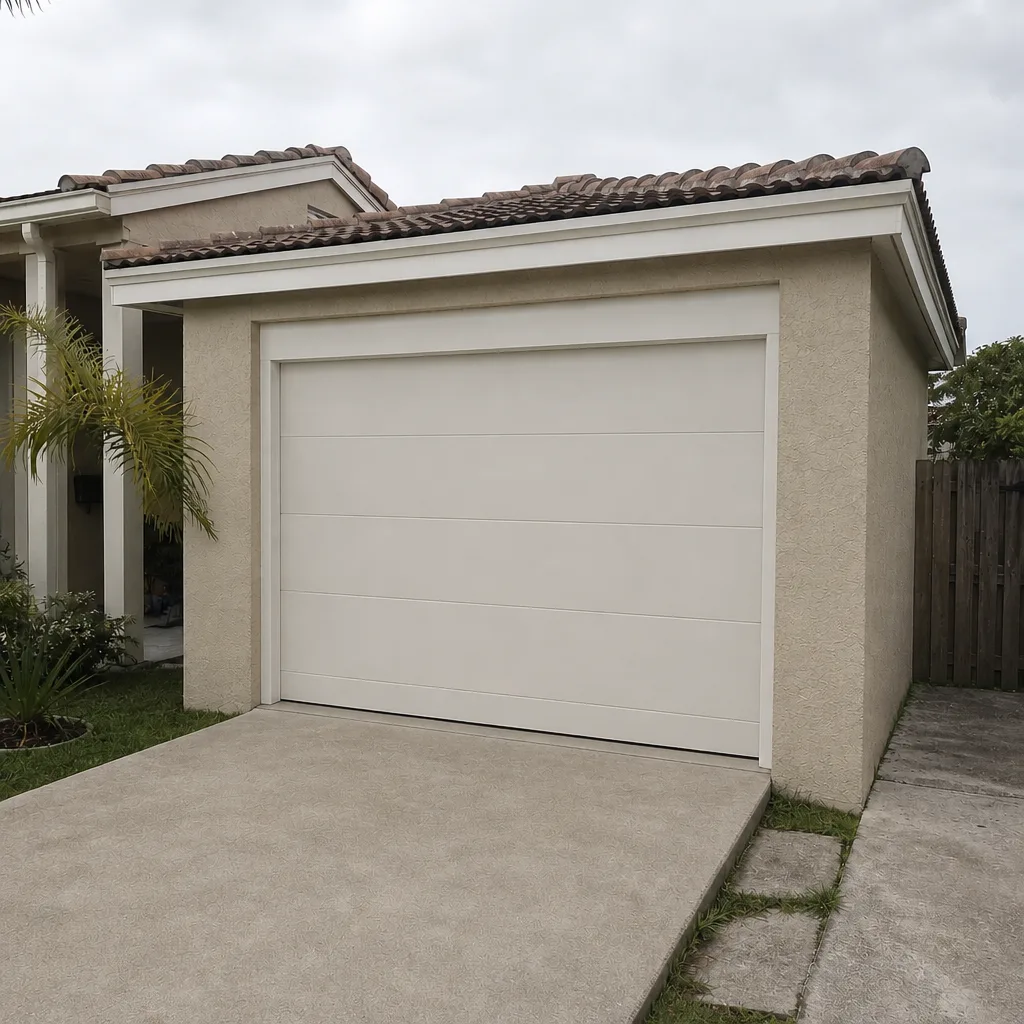
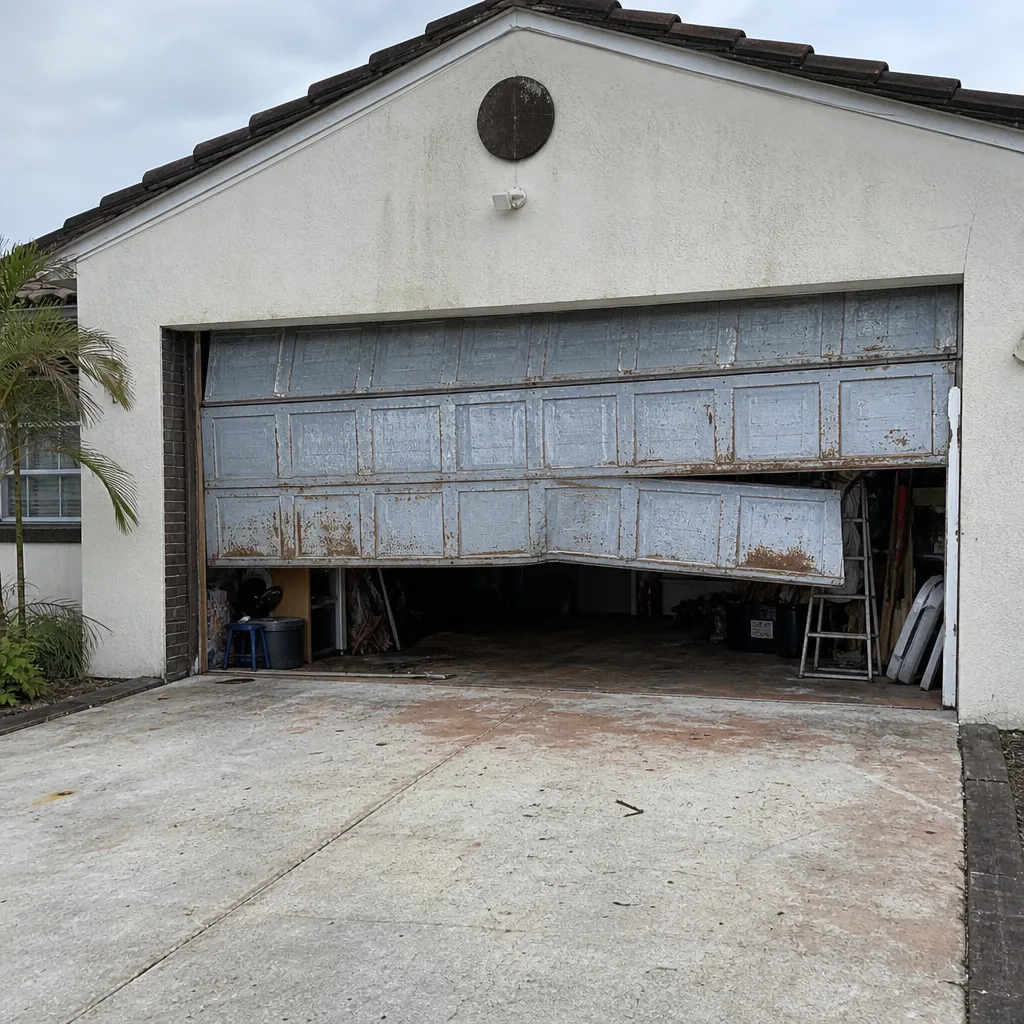
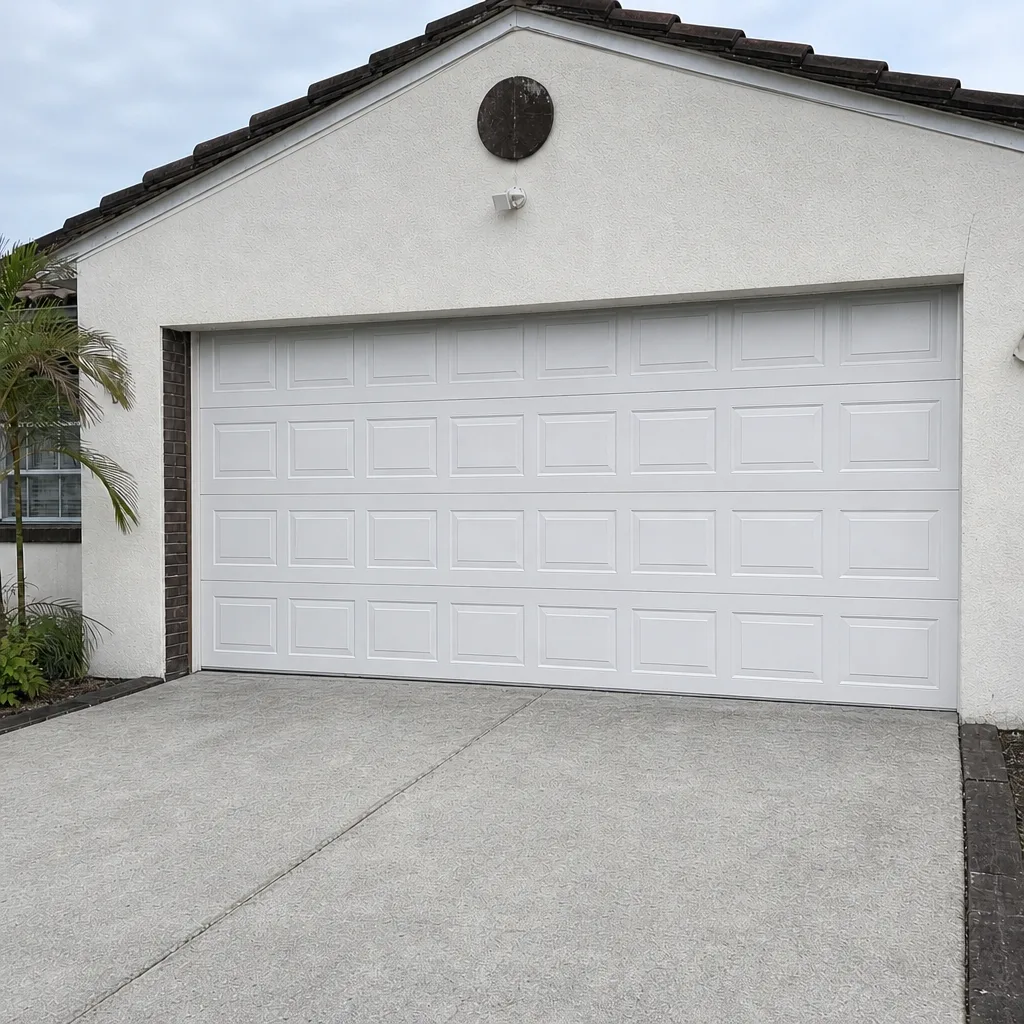
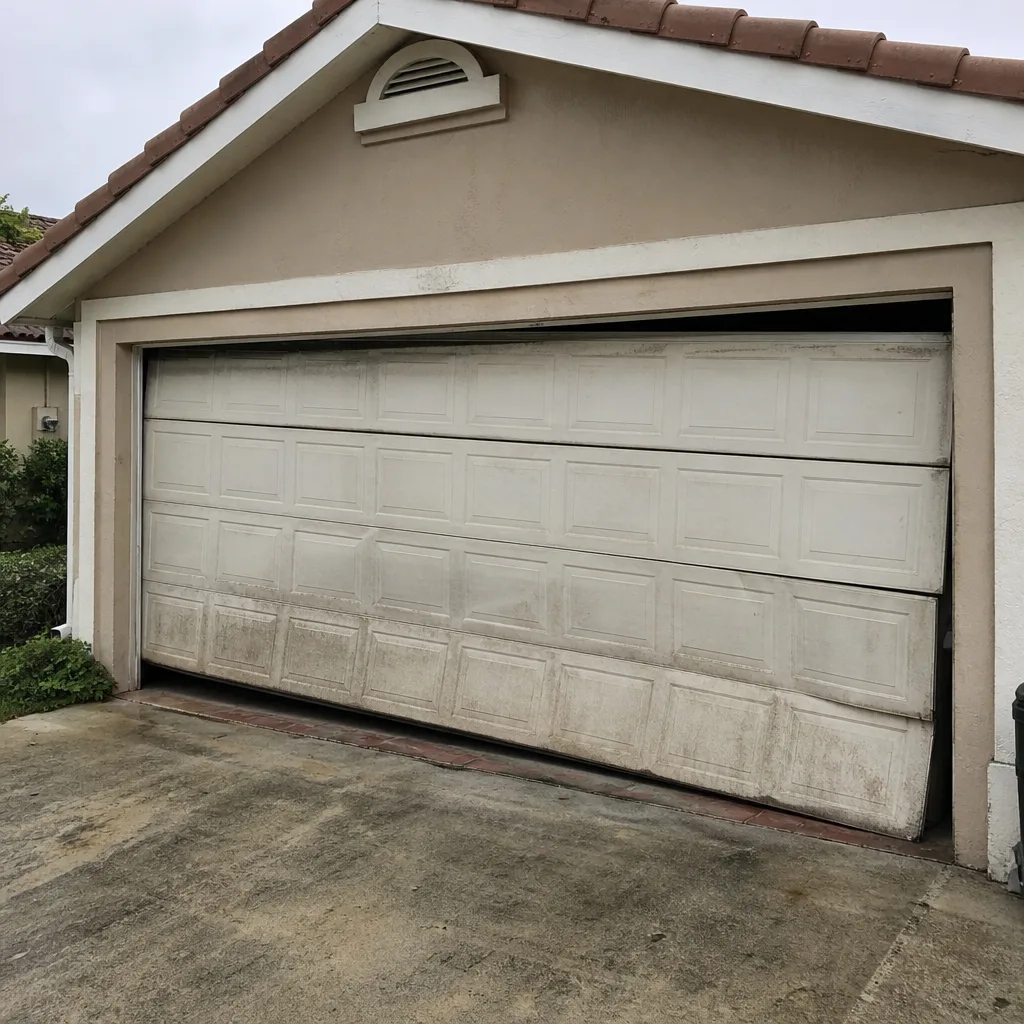
See the difference
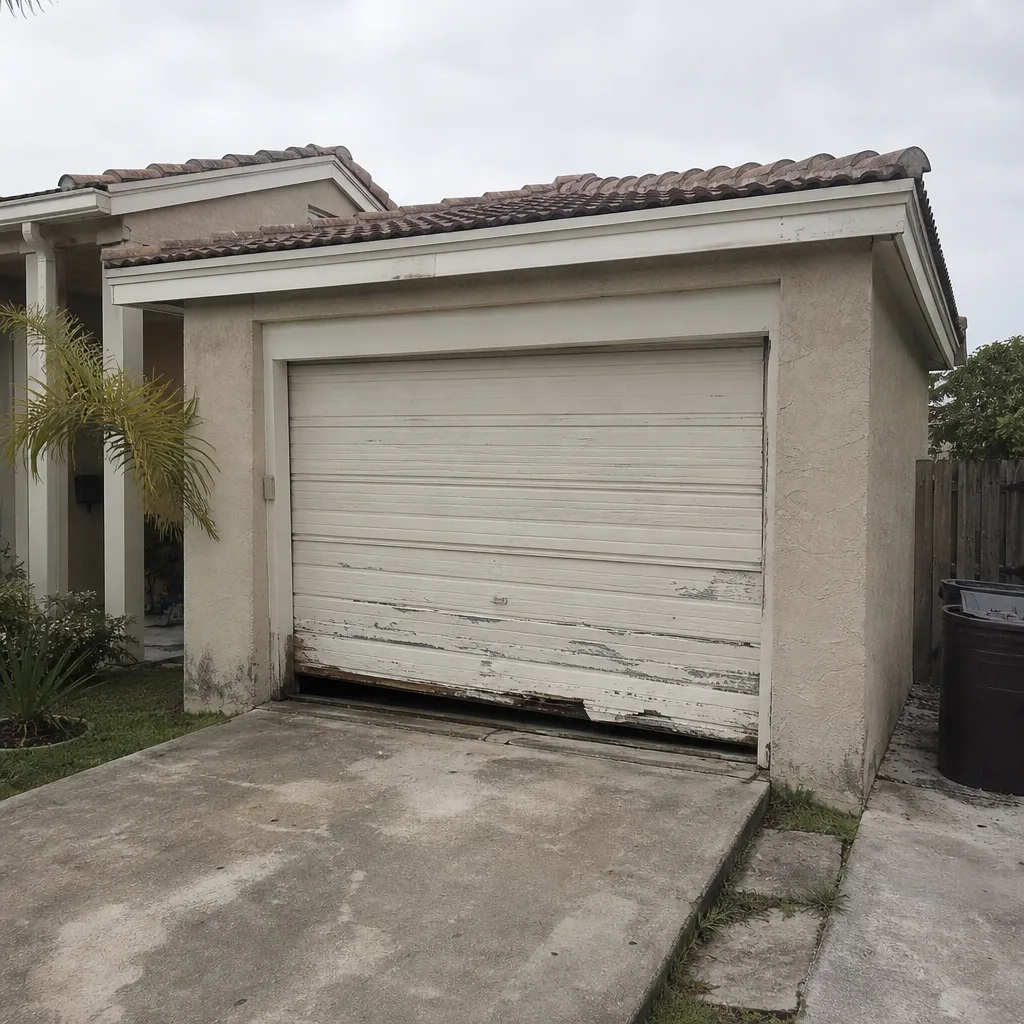 Before
 After
 Before
 After
 Before
 After
Frequently Asked Questions
The first signs are usually a door that opens slower than it used to, a new noise on the first cycle, and a door that doesn’t hold its position when you release it halfway. Any of these means the door is out of calibration or a component is wearing. If you catch them early, the repair is usually a single part rather than a full door.
Popping from a torsion spring means the coils are unwinding unevenly, and that spring is on the verge of breaking. It’s the signal to stop cycling the door and call for spring repair. Springs are under heavy tension and a trained technician is the only safe way to handle one.
That’s the motor’s thermal cutoff tripping, and it’s common in Doral because an un-insulated garage can get hot enough to trip an aging motor’s heat limit. It usually points to a failing motor or capacitor, not to the door itself. Schedule the repair before it stops working altogether.
Most spring repairs fall in the hundreds of dollars, not the thousands, and the exact figure depends on whether it’s one spring or a matched pair and what else the inspection finds. We quote the price before any work starts, so the number you agree to is the invoice. Call (833) 508-9161 for a free estimate.
Light surface rust is cosmetic and the spring is still usable. Pitting, flaking or a visibly thinner coil means section loss, and that spring is close to breaking. The difference between the two is what a technician looks at on arrival.
Yes. We work on LiftMaster, Chamberlain, Genie, Clopay, Amarr, Wayne Dalton, Craftsman and Raynor, so the system already on your ceiling is not a dead end for us. A technician arrives knowing the platform rather than learning it on the spot. Call (833) 508-9161 and tell us your brand.
The Bottom Line
Your garage door is one of the few parts of the house that talks to you before it fails. Slowing travel, a new pop, a drift when you release it, pitting on a spring, an opener that quits in the heat, or a door that’s climbing out of its track are all readable signs. The timeline matters more than the symptom: spring, cable and track problems give you hours to days, opener and wear problems give you weeks. Read the signs, run the stopwatch and balance tests, and get a free estimate while the door is still working. That’s when the fix is cheapest and you’re choosing the appointment. If you’re in Doral and something on this list sounds familiar, call (833) 508-9161 for a free estimate, and we’ll confirm what’s actually wrong before any work begins.
Written by the team at Doral Garage Door Repair Pros.