Last updated November 23, 2026
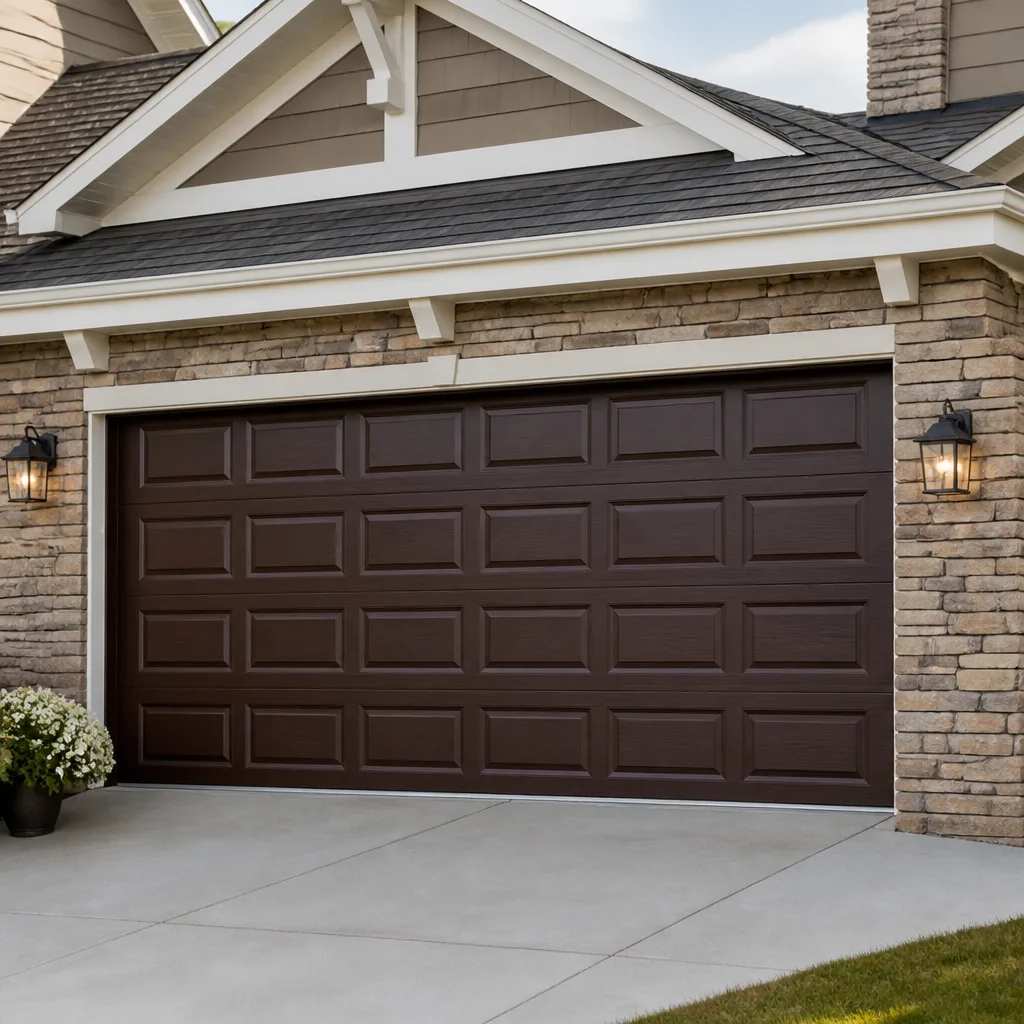 Raised-panel steel
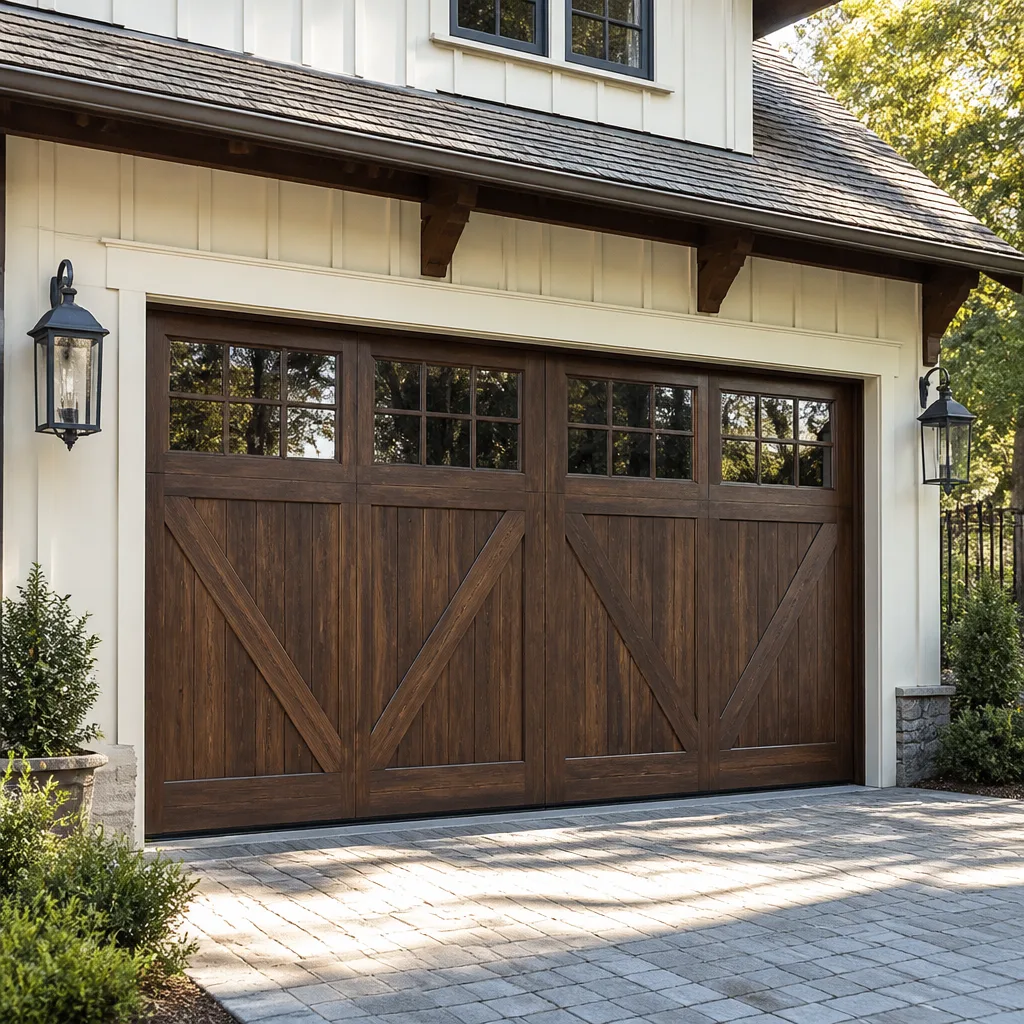 Carriage house
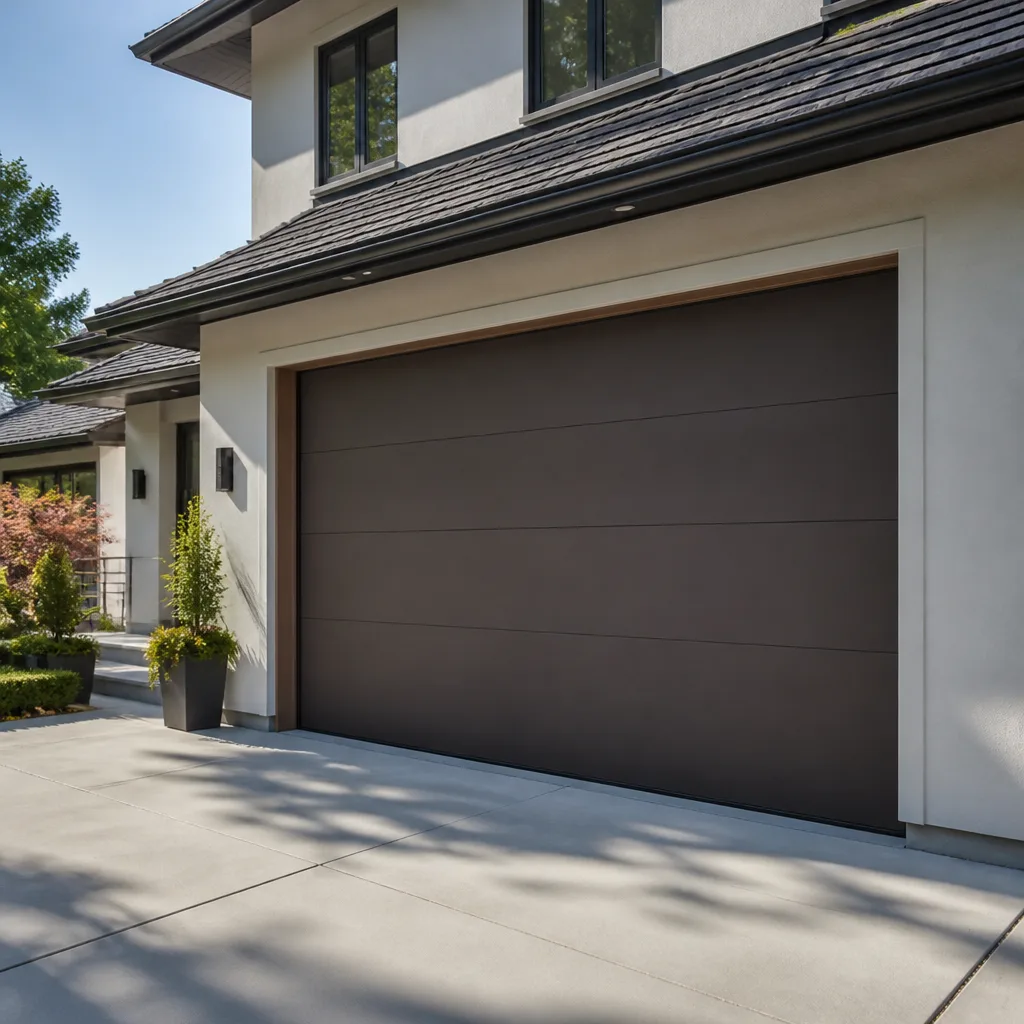 Modern flush
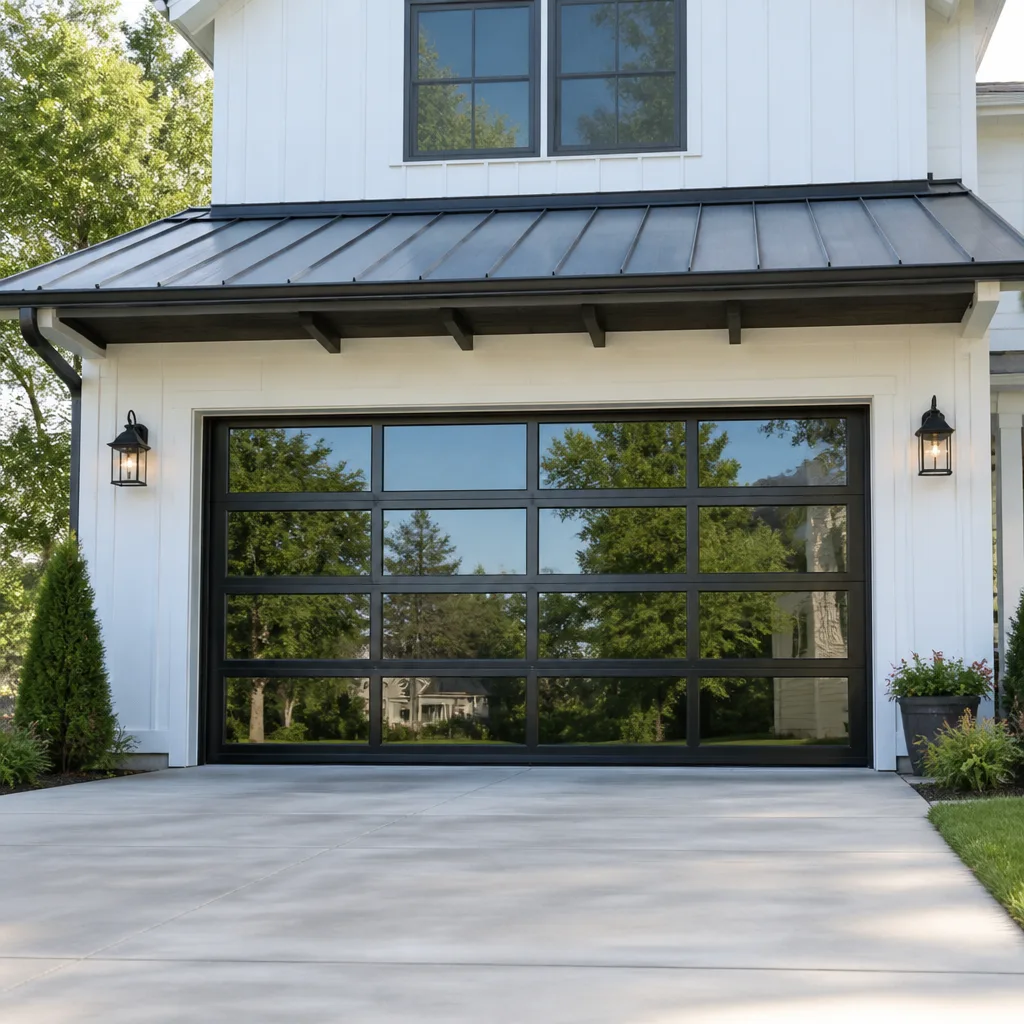 Full-view glass
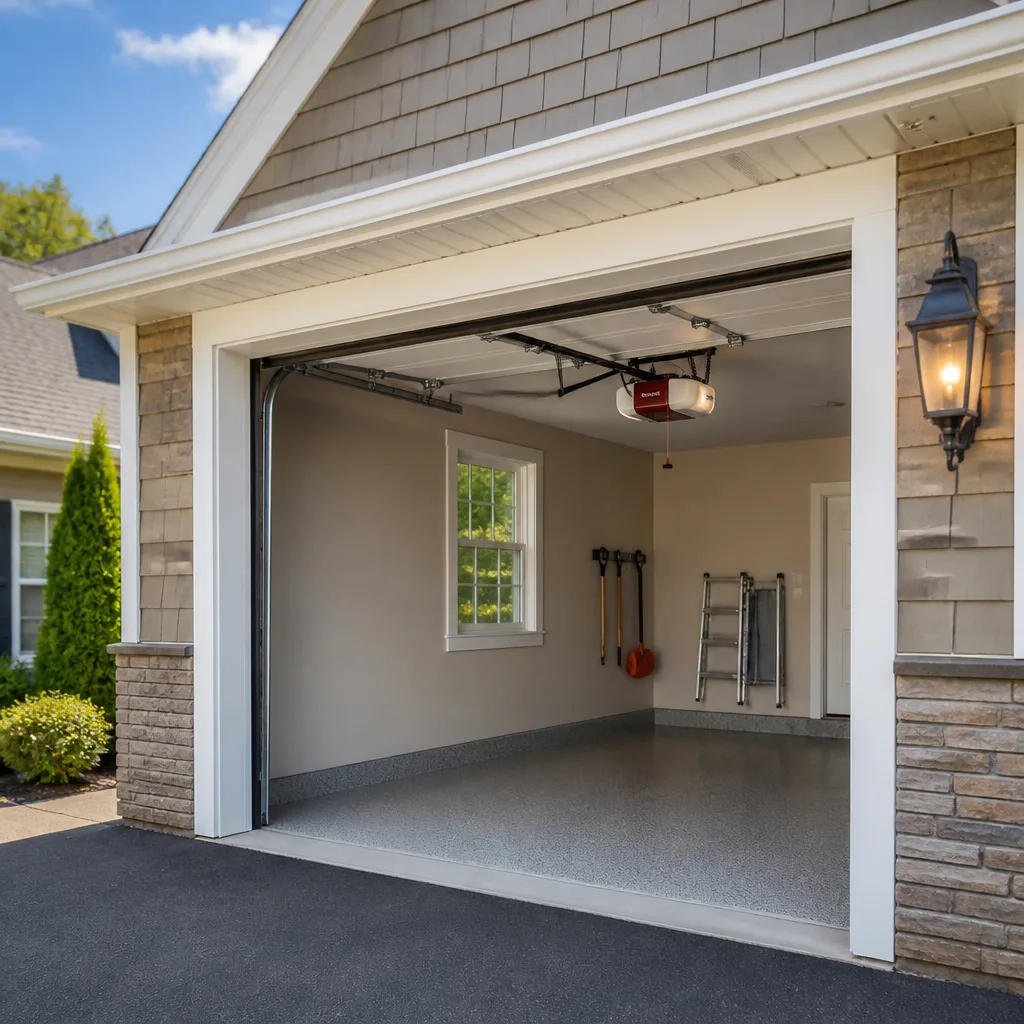 LiftMaster openers
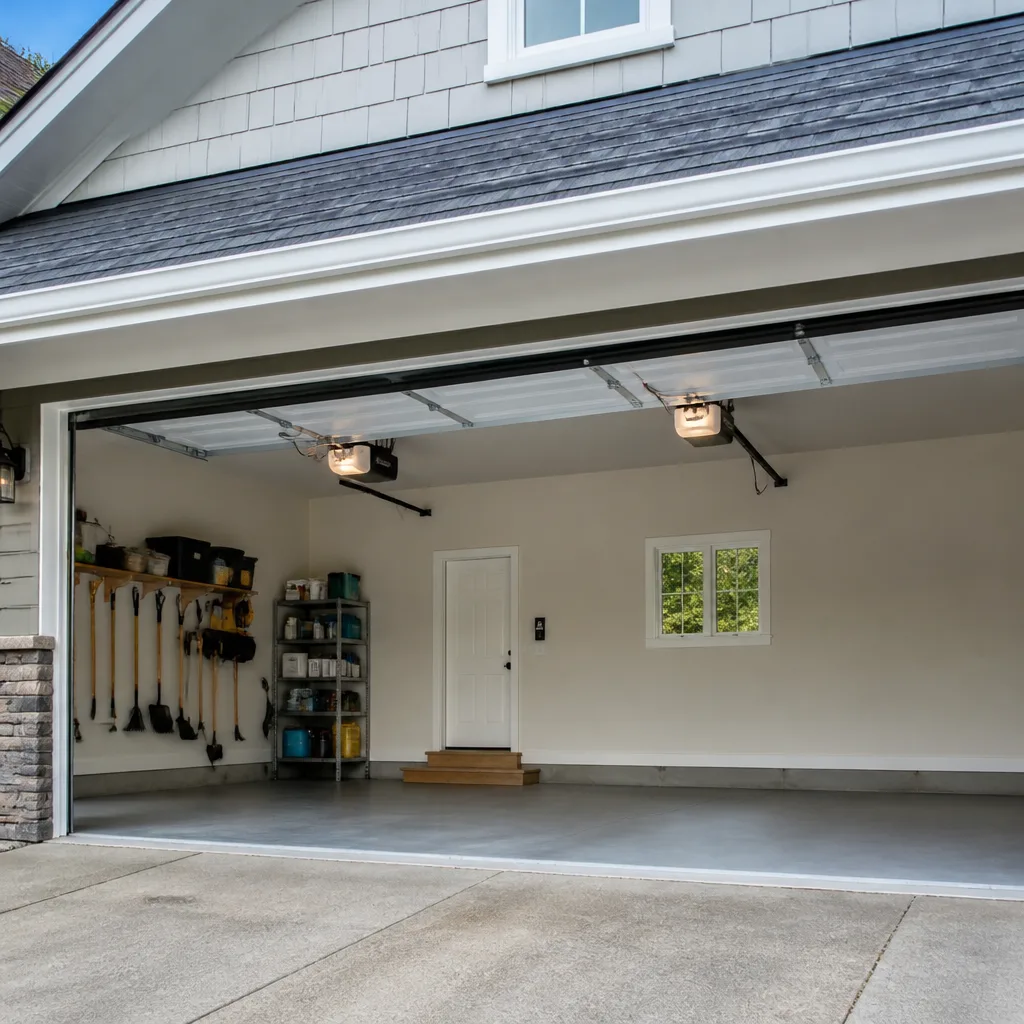 Chamberlain openers
Full 25-point door and opener safety check with every visit - springs, cables, rollers, tracks, and your LiftMaster or Chamberlain opener included
You get a price before we start. It does not change when the pro arrives.
Get your free estimateHow to Hire a Garage Door Contractor in Doral: A Step-by-Step Guide
A contractor who installs garage doors three times a month is not the same as one who does it three times a day. That gap rarely shows up on the invoice. It shows up months later, at the permit inspection, when the inspector asks for product approval documentation the installer never pulled, or when a spring fails because the wrong cycle rating went in. Doral sits in a regulatory environment where that difference matters more than most homeowners realize, and the company you hire has to know both the hardware and the paperwork. This guide walks you through how to vet a garage door contractor in Doral properly: the licensing questions that actually separate specialists from generalists, the Miami-Dade product knowledge that serves as a litmus test, the red flags hiding in low bids, and how to compare quotes line by line so you’re not paying twice.
Quick Answer
To hire a garage door contractor in Doral, verify the company holds a Florida license that covers garage door installation (not just a general handyman license), ask whether they work with Miami-Dade product approval documentation on new installations, and confirm they specialize in garage doors rather than listing the trade as one of many services. Get at least two written quotes, insist that each include the rough opening measurement, permit responsibility, brand-specific parts, and post-install warranty terms, and never accept a quote given without someone measuring the opening first.
Styles & brands we work with
- Raised-panel steel
- Carriage house
- Modern flush
- Full-view glass
- LiftMaster openers
- Chamberlain openers
Table of Contents
- Why a Garage Door Specialist Beats a Multi-Trade Handyman in Doral
- What License Should a Garage Door Contractor in Doral Hold?
- The Miami-Dade NOA Question That Filters Out Generalists
- The Step-by-Step Vetting Process
- Red Flags Specific to Doral’s Service Market
- How to Compare Garage Door Quotes Accurately
- Post-Install Support: Who Actually Answers the Warranty Call?
- What Garage Door Work Typically Costs in Doral
Why a Garage Door Specialist Beats a Multi-Trade Handyman in Doral
Doral’s service market is crowded with contractors who advertise everything from drywall to pool pumps, and “garage doors” sits somewhere in that list as line item eleven. The problem isn’t dishonesty. It’s dilution. A technician who touches three garage doors a month hasn’t built the pattern recognition that comes from doing it daily, and that recognition is what turns a two-hour diagnostic into a ten-minute one.
Consider what a garage door system actually contains. You have torsion or extension springs under serious load, cables, drums, hinges, rollers, a track alignment that has to be within a narrow tolerance, and an opener with its own logic board, travel limits, and safety reversal system. Each of those fails differently. Each brand of opener has its own quirks. A LiftMaster logic board throws different symptoms than a Chamberlain unit, and a Craftsman opener from a decade ago behaves nothing like a modern Genie. A specialist learns those differences because they see them weekly.
Generalists also tend to source parts generically. If the replacement spring isn’t matched to the door’s weight and cycle rating, it fails early. If the opener isn’t matched to the door’s size and balance, the motor works harder and dies sooner. It’s the kind of failure that surfaces after the installer has moved on.
In Doral, the specialist advantage extends past the hardware. Garage doors here deal with heat and humidity year-round, which affects lubricant choices, seal longevity, and how quickly metal components wear. A contractor who works in this climate daily knows which parts hold up and which ones come back. If you want a sense of what a single-trade focus looks like in practice, our Doral Garage Door Repair Pros approach is built entirely around this one category. That’s the standard to hold every contractor to when you’re comparing.
What License Should a Garage Door Contractor in Doral Hold?
Florida doesn’t have a standalone “garage door contractor” license, which is exactly why the question trips people up. Garage door installation and repair typically fall under a general, building, or specialty contractor license depending on the scope of work. What you’re filtering for is a company that can show you a state or county license that covers the work being quoted, not just a business tax receipt.
Here’s the practical distinction. A business tax receipt (what people used to call an occupational license) only proves someone registered a business. It says nothing about competency or insurance. A contractor’s license is a separate credential with its own requirements. When you ask “are you licensed,” most contractors will simply say yes. Ask instead:
- “What license class covers this work, and can you give me the license number so I can verify it?” A serious contractor will have the number ready. Look it up through the state or county database yourself.
- “Are you insured and bonded as your state requires?” Ask for a certificate of insurance that names the coverage type and is current. Don’t accept a verbal yes.
- “Who pulls the permit for a new installation?” In most Florida jurisdictions, the contractor pulls the permit, not the homeowner. If a company tells you to handle it yourself, that’s a signal they either can’t pull it or don’t want the inspection on record.
- “Does the permit cost appear in the written quote?” A legitimate quote shows it as a line item. A missing permit line on a new-install quote is either an omission or an intent to skip the permit entirely.
There’s a reason we push hard on this. Miami-Dade County has specific requirements around product approval for building components, and garage doors are among the products that can require documentation. A licensed contractor who regularly works in Doral knows this. A generalist may not. When you ask these questions, you’re not being difficult. You’re doing the job the licensing system assumes you’ll do.
The Miami-Dade NOA Question That Filters Out Generalists
If you want a single question that separates a real garage door specialist from a generalist in Doral, it’s this: “Do the doors you install carry Miami-Dade Notice of Acceptance documentation, and can you show me the NOA for the model you’re proposing?”
A Notice of Acceptance, or NOA, is Miami-Dade’s product approval document. It confirms a specific product has been evaluated against the county’s requirements for use in the built environment. Not every garage door model on the market carries one. Not every contractor knows that. A specialist who installs in Miami-Dade regularly will know which product lines carry approval and which don’t, and they’ll be able to produce the documentation without a scramble.
Why does this matter to a homeowner? Because if a door requiring approval goes in without it, the problem tends to surface at inspection or during a later sale or insurance review. It’s the kind of issue that’s cheap to solve before installation and expensive to solve after.
Here’s how to use the NOA question as a filter without being confrontational:
- Ask it plainly and watch the response. A specialist answers it with specifics. A generalist either doesn’t know the term or promises to “check with the manufacturer.”
- Ask how the install will be documented. A contractor who understands NOA requirements will be able to tell you which paperwork comes with the job.
- Ask what happens if the model you want doesn’t carry an NOA. A specialist will tell you straight that you need a different product, not that “it’ll be fine.”
That last point is the real test. A contractor willing to install an unapproved product to make a sale is a contractor who will cut other corners. A contractor who tells you no is telling you they know the rules. For new construction or replacement in Doral’s regulatory environment, that’s the contractor you want.
The Step-by-Step Vetting Process
Vetting a garage door contractor is a sequence, not a single phone call. Work through these steps in order. If a company fails one step, the rest don’t matter.
- Confirm the license and insurance before you talk scope. Get the license number and certificate of insurance in writing. Verify the license yourself. This takes five minutes and eliminates the bottom tier of the market immediately.
- Describe the problem and listen for specificity. If you have a broken spring, describe the symptom and see whether the contractor asks about the door type, weight, and spring type before quoting. If you have an opener problem, see whether they ask about the make and model. Vague questions from a contractor signal vague knowledge. Our technicians have up to 15 years of experience, and specificity is the thing that experience produces.
- Require an in-person measure for any installation quote. A rough opening has to be measured on site. Anyone who quotes a new door over the phone without measuring is guessing, and you’ll pay for the guess. A measurement visit also tells you whether they can walk the space and spot issues like uneven framing or clearance problems.
- Ask the brand and parts questions. Which brand of door and opener are being proposed, and why? Are the springs matched to the door weight? Are the hinges and rollers the same spec as the originals or a substitution? A specialist will have preferences and reasons. A generalist will say “whatever’s available.”
- Ask the permit and NOA questions. For repair work, ask whether a permit is required (your city’s building department can tell you, or they should know). For installation, ask who pulls the permit and whether the product carries Miami-Dade NOA.
- Get two written quotes with matching line items. Not a verbal estimate. A written quote you can compare side by side. See the quote comparison section below for what should appear.
- Ask about post-install support before you sign. Who handles a warranty call? Is it the same technician or a call center? What’s the process if the door isn’t tracking right a month later? A company that can’t answer this cleanly has no post-install process at all.
Seven steps sounds like a lot for a garage door. In practice, if you run the first three with each contractor you’re considering, the field usually narrows to two. Then steps four through seven are just the final comparison.
Red Flags Specific to Doral’s Service Market
Some red flags are universal. Others show up specifically when the market is dense with generalists advertising door service. Here’s what to watch for as you talk to contractors in Doral:
- A quote given without anyone measuring the rough opening. This is the single most common red flag on installation quotes. A phone quote is a placeholder number, not a price. If a contractor can’t be bothered to measure, the door you get may not fit the opening you have, and the retrofit cost lands on you.
- No mention of a permit for a new installation. If you ask “is this permitted?” and the answer is “you don’t need one for a door,” lean back and check with the city. Miami-Dade has specific requirements for building components, and installation often triggers a permit. A contractor who shrugs at permits is a contractor who wants the job off the record.
- No brand-specific parts sourcing. Ask which brand of opener they recommend and why. If the answer is “we use whatever’s in the truck” or “whatever’s cheapest,” that’s a generalist who doesn’t have brand fluency. A specialist will tell you they work with LiftMaster, Chamberlain, Genie, Craftsman, Clopay, Amarr, Wayne Dalton, and Raynor because they see all of them in the field. If a company can’t name the brands they work with, they don’t work with brands. They work with whatever’s on the shelf.
- Quotes that bundle everything into one number. A single line item for “garage door replacement – $X” hides what’s included. Door, opener, springs, tracks, hardware, permit, and haul-away are separate items. If they’re bundled, you can’t tell whether the springs are upgraded or the permit is skipped.
- No written warranty terms before signing. “It’s covered” is not a warranty. Ask for the warranty terms in writing: what’s covered, for how long, and what voids it. If a company resists putting it in writing, that’s a company that plans to deny claims.
- Pressured urgency on non-emergency work. A broken spring at 10pm is an emergency, and a fast response is appropriate. A new door installation is a scheduled project. If a contractor pushes you to sign tonight for a project that doesn’t need to start tonight, that’s a sales tactic, not a service.
- No physical process for post-install warranty service. Ask what happens if the door fails under warranty. If the answer is “call the number on the truck” and the number goes to a call center that routes back to whoever’s available, you don’t have a warranty relationship. You have a warranty document.
How to Compare Garage Door Quotes Accurately
Comparing quotes is where most homeowners lose money. Two quotes with different bottom lines can be apples and oranges, and the lower number often wins by leaving things out. The fix is to normalize the line items before you compare price. Ask every contractor for the same structure:
- Door or opener model and serial (or model number), plus brand. “A steel door” is not a line item. It’s a category. You want the model number so you can look up specs.
- Rough opening measurement. The quote should state the measured dimensions. If it doesn’t, the quote isn’t for your actual opening.
- Spring type and cycle rating. Standard-cycle versus high-cycle springs affect lifespan and price. Ask which is included. For a spring-only repair, ask whether one spring or a matched pair is being replaced. A pair costs roughly twice what one spring costs.
- Hardware spec. Hinges, rollers, and track should be listed. If they’re not, assume standard-grade hardware is being swapped for builder-grade.
- Permit line item. For installations, a permit cost should appear. If it doesn’t, ask why.
- Haul-away and disposal. Old door and packaging removal should be listed. A missing line means you’re moving the old door yourself.
- Warranty terms. Product warranty and labor warranty should be separate lines. Both should have a duration in writing.
A “low bid” is usually low because something in that list is missing or downgraded. A cheaper spring with a lower cycle rating. A builder-grade hinge set. A permit that was never pulled. Model substitutions that look identical on paper but wear out in half the time. The only way to catch these is to compare the list, not the number.
The same normalization applies to repairs. For garage door spring repair, a quote should say whether it’s one spring or a pair, what cycle rating, and whether the cables and drums are being inspected at the same time. For garage door repair generally, ask what the diagnostic process is and whether the diagnostic fee is applied to the repair if you proceed. That’s the kind of line-item clarity that prevents the unpleasant surprise on invoice day.
One more thing on price: insist that the price in the written quote is the price you pay, and that any change requires your sign-off before work continues. A contractor who can articulate that process clearly is a contractor who runs a clean operation. A contractor who says “we’ll see when we’re in there” is not.
Post-Install Support: Who Actually Answers the Warranty Call?
The contract you sign doesn’t tell you who answers the phone when the door starts acting up three months later. That’s what you need to ask before signing. Ask it explicitly: “If the door fails under warranty, who do I call, and is it the same technician who did the install or someone from a call center?”
There are three common models, and only one of them serves you well:
- Direct to the installing company with a real service process. The company answers, confirms the issue, and schedules a technician to come back out. That’s the model you want. The warranty is enforceable because someone owns the follow-up.
- Routing through a national call center. The number on the paperwork goes to a contractor dispatch network. You describe the issue to whoever answers, they route it to a local contractor you’ve never met, and the warranty terms become an argument. Avoid this.
- Manufacturer-only warranty with no labor coverage. The door or opener is covered by the manufacturer, but the labor to diagnose and reinstall is on you. This isn’t always unreasonable, but you should know it going in, in writing.
Ask about labor warranty separately from product warranty. Ask whether the warranty is transferable if you sell the home (some are, and it matters in Doral’s resale market). And ask whether emergency service is part of the company’s offering, not just a promise on the brochure. A broken spring at night with a car trapped inside isn’t the time to discover your contractor only works business hours.
For owners of openers from any of the major brands, the practical follow-up question is whether the company carries brand-specific parts. If a Chamberlain logic board or a Genie carriage fails under warranty and the original installer can’t source the part, the warranty becomes a long wait. A specialist who works with those systems regularly already knows where the parts come from. If you want to see how brand-specific garage door opener repair is handled in practice, that’s the model to ask about.
What Garage Door Work Typically Costs in Doral
Price ranges help you sanity-check a quote, but they’re only useful when you know what’s inside the range. Here’s what typical garage door work in the Doral market runs, as estimates only:
| Work Type | Typical Estimated Range |
|---|---|
| Spring repair (one spring) | $180 – $340 per spring |
| Matched spring pair replacement | About double the single-spring range |
| Opener repair (diagnostic plus repair) | $150 – $350 |
| New opener installation | $400 – $850 |
| Door repair (track, hinge, roller) | $150 – $450 |
| Full new door installation | $1,200 – $3,500 |
These are typical estimates for the market, not a quote for your job. Springs vary by door weight and cycle rating. Openers vary by drive type and whether the door needs a new rail. Doors vary by material, insulation, and size. The written quote after a site visit sets the final price.
Two pricing patterns are worth flagging. First, a matched spring pair is usually replaced together because both springs have the same service life. If one has failed, the other is close behind, and replacing one to save money generally means a second call soon after. Second, the gap between repair and replacement isn’t just the price of the door. It’s whether the tracks, framing, and opener are still sound. A specialist will tell you honestly which side of that line you’re on. A generalist will lean toward whichever job is bigger.
If you want more detail on what drives the ranges on repair work specifically, the repair cost breakdown is a useful reference. What matters for hiring is this: any quote that doesn’t line-item the parts, the labor, and the permit (where applicable) is a quote you can’t compare. Ask for the itemization. A contractor who can produce it is a contractor who runs a clean process.
Common Mistakes to Avoid
- Hiring on the lowest number alone. A quote that’s $400 below the rest usually has $400 missing from it. That means a downgraded spring, a skipped permit, or a builder-grade hardware substitution. Compare the line items, not the bottom line.
- Skipping the license verification because the contractor “seems professional.” Professionalism is not a credential. Ask for the license number, ask for the certificate of insurance, and look both up. Five minutes now saves months of arguing later.
- Accepting a phone quote for a new door. Without a measured rough opening, a phone quote is a guess. Insist on an in-person measure before any installation quote is treated as real.
- Not asking about the permit. Miami-Dade has specific requirements for building components and installation often triggers a permit. A contractor who doesn’t mention it hasn’t thought about it. A contractor who discourages it is telling you something.
- Ignoring the NOA question. If you’re replacing a door in Doral, ask about product approval documentation for the proposed model. A contractor who can produce it is a specialist. One who can’t is a risk.
- Replacing one spring instead of the pair. Springs wear on the same schedule. If one has failed, the second usually isn’t far behind. Ask whether a pair is being quoted. The small savings from a single spring is usually a second call waiting to happen.
- Not asking who answers the warranty call. A warranty that routes to a national call center when the door fails isn’t a warranty you can enforce. Confirm before you sign that the same company handles the follow-up, with a real service process behind it.
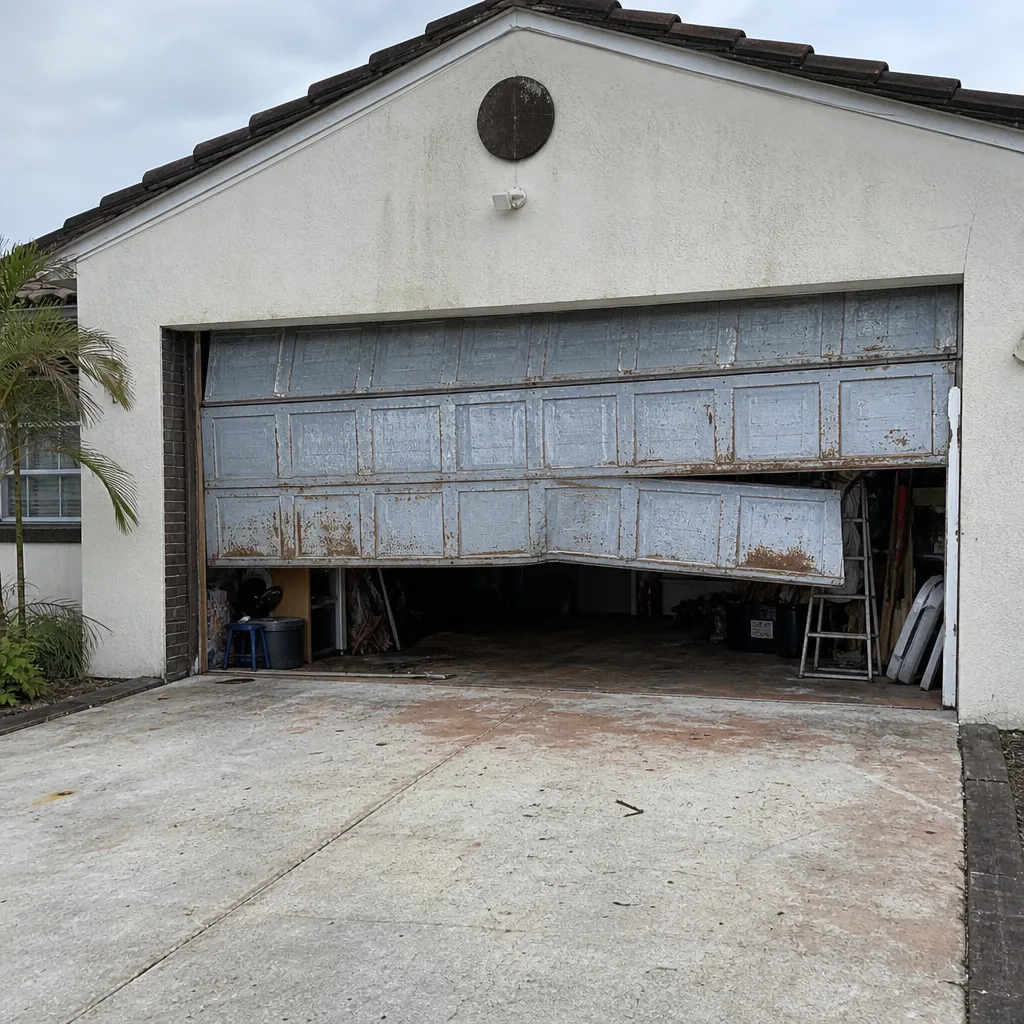
See the difference
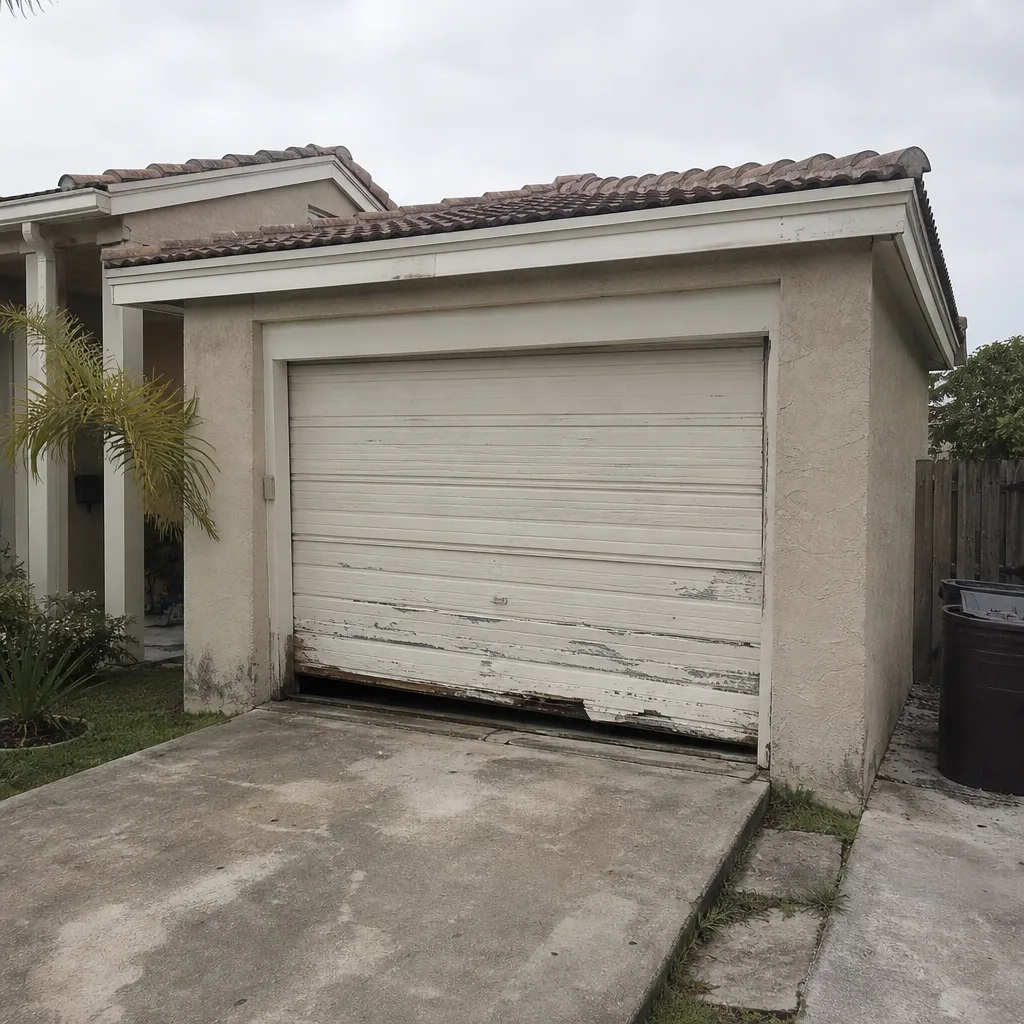 Before
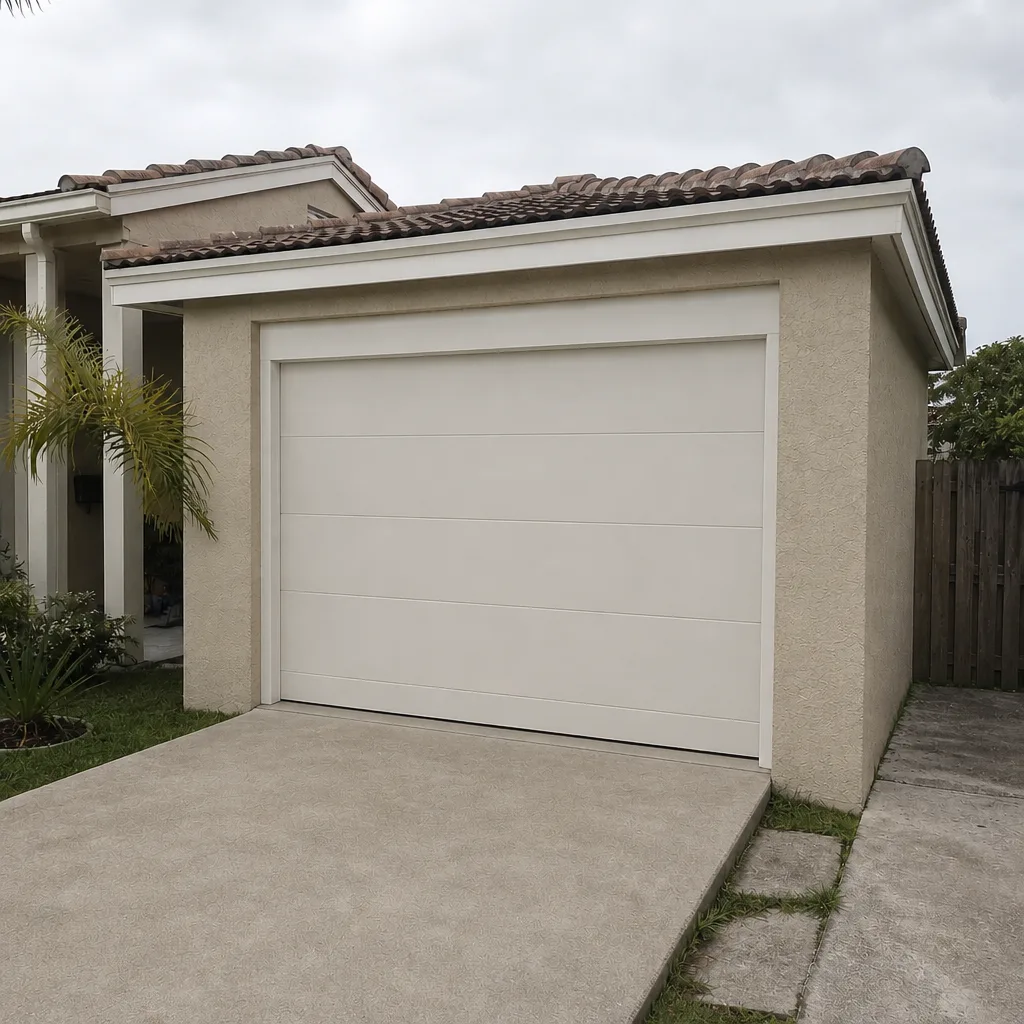 After
 Before
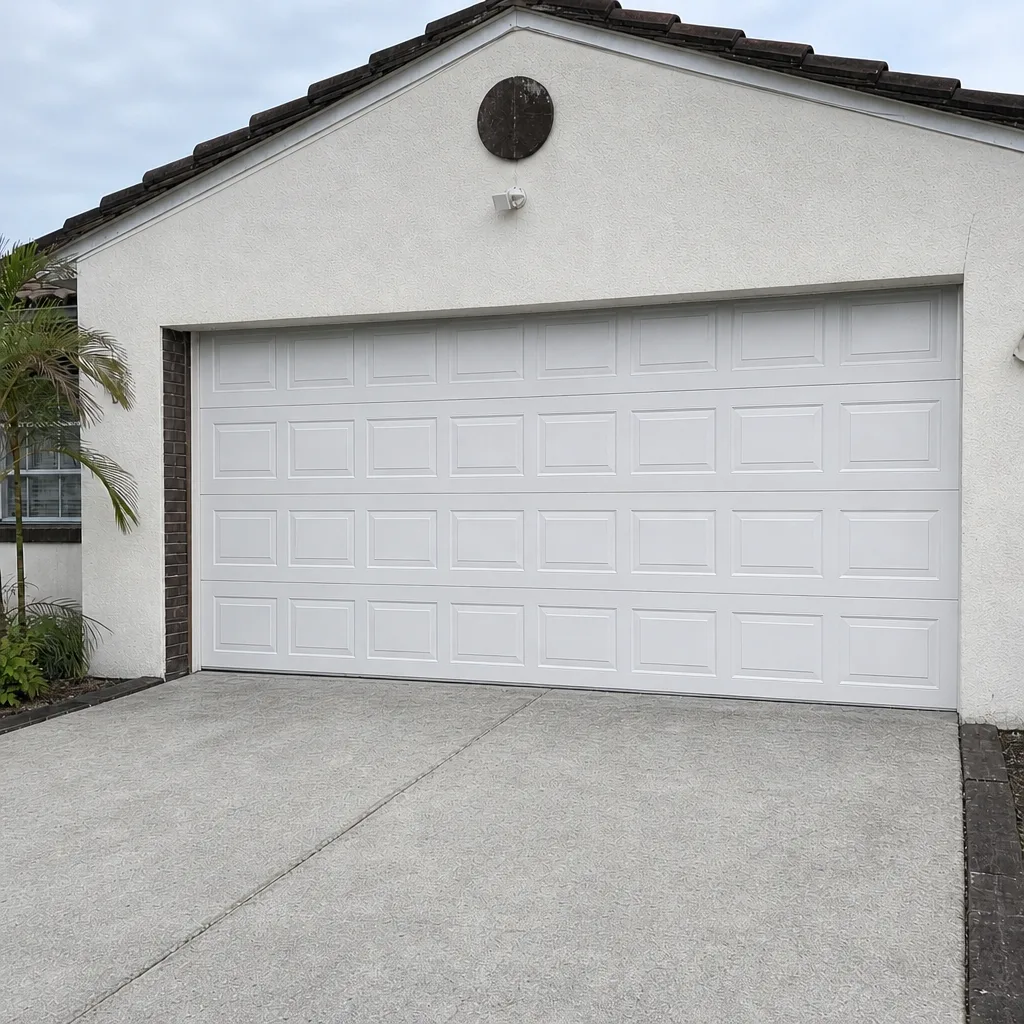 After
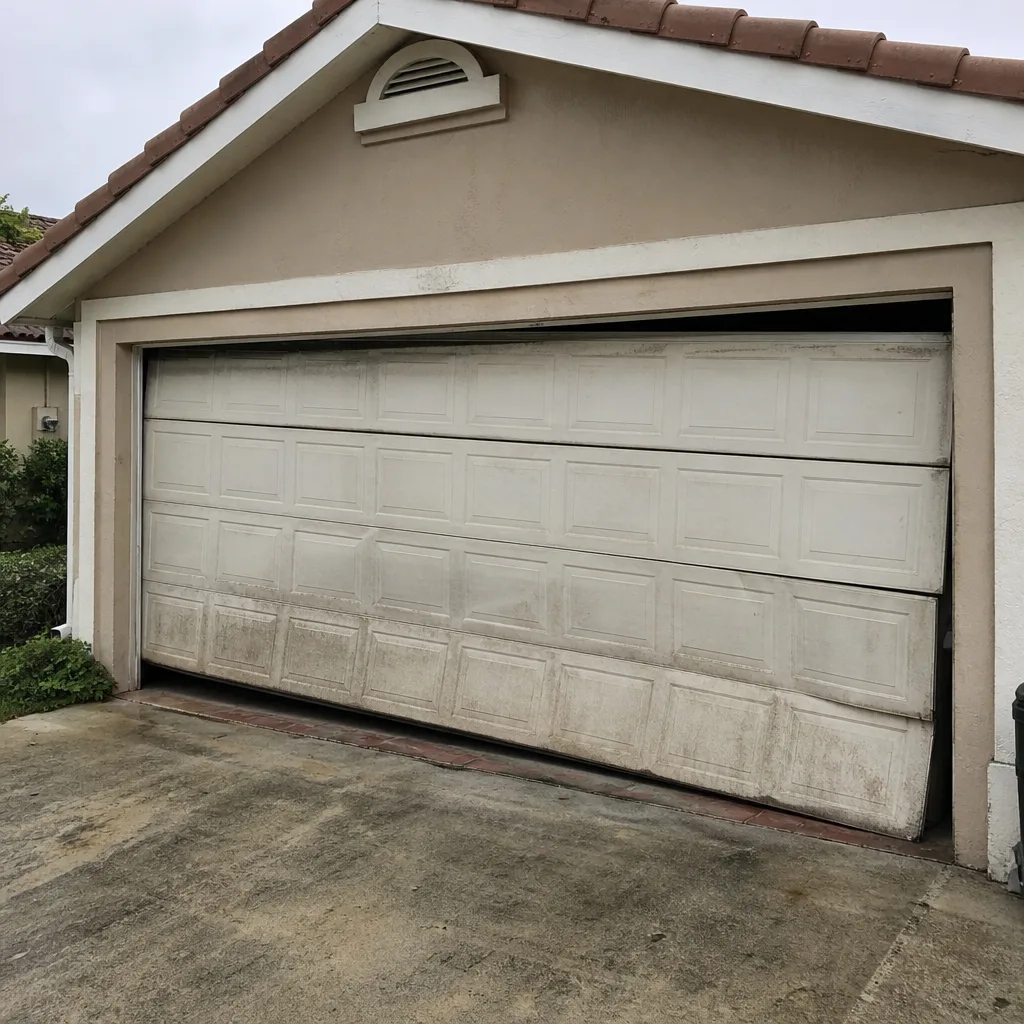 Before
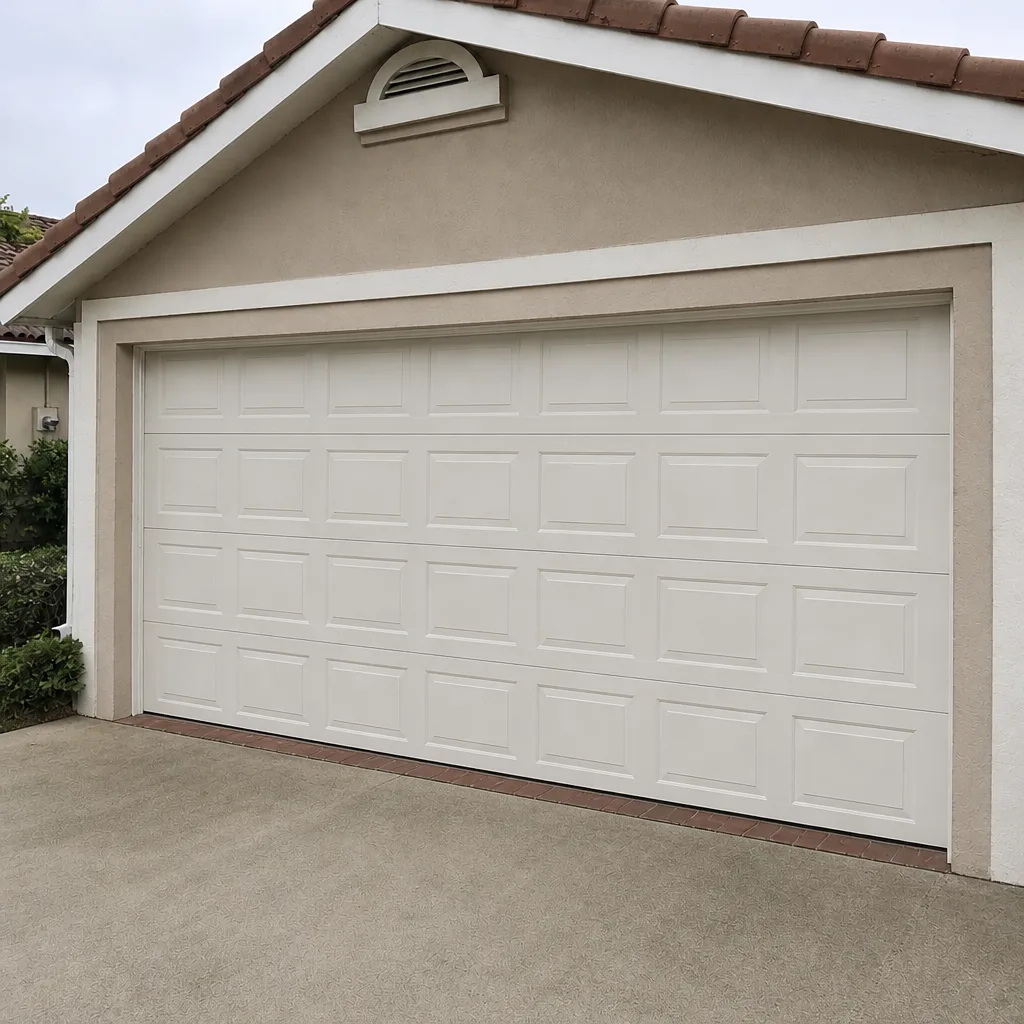 After
When to Call a Professional
Some garage door issues are safe to inspect yourself: a noisy roller, a track with a visible bend, a remote that won’t pair. Others aren’t. Torsion springs and the cables that hold them are under high tension, and a spring that lets go while someone is working on it can cause serious injury. If a spring is broken, a cable is slack or frayed, or a door has come off its track, stop operating it and call a trained professional. The same goes for a door that has lost balance (heavy on the way up) or an opener that runs but doesn’t move the door. These are diagnostic problems with safety implications, not DIY projects.
Doral Garage Door Repair Pros offers free estimates in Doral, and we handle repair, spring work, opener work, installation, and emergency calls under one roof. Our technicians have up to 15 years of experience and work on all eight major brands: LiftMaster, Chamberlain, Genie, Clopay, Amarr, Wayne Dalton, Craftsman, and Raynor. The price is quoted and agreed before any work starts. Call (833) 508-9161 to get an estimate.
Frequently Asked Questions
Ask for the license number and the certificate of insurance, then look both up through the state or county database yourself. Florida doesn’t have a standalone garage door license, so confirm the license class covers the work being quoted, not just that the company is registered as a business. A legitimate contractor will have both documents ready without hesitation.
A Miami-Dade Notice of Acceptance is the county’s product approval document showing a specific product has been evaluated for use there. Ask any contractor proposing a new installation whether the door model carries an NOA and whether they can show it. A specialist who installs in this market regularly will know the answer. A generalist will usually need to “check with the manufacturer,” which tells you something.
Replace both as a matched pair in most cases. Springs share the same service life, so when one fails, the other is typically near the end of its cycle rating. The pair costs about twice what a single spring costs, and the single-spring route usually means a second service call within a short window. Ask your contractor to quote the pair and explain the reasoning.
It shouldn’t. Ask any contractor to confirm in writing that the quoted price is the price you pay, and that any change requires your sign-off before work continues. The written estimate sets the final price. If a company can’t commit to that in writing, walk away.
The local professional we connect you with is licensed and insured as their state requires. Ask for the certificate of insurance and confirm it’s current before work begins. That’s a standard request and a legitimate contractor will handle it without friction. Call (833) 508-9161 to discuss a free estimate.
In most cases yes for repair and emergency work. Emergency garage door service is a confirmed, dedicated offering: broken springs, doors off track, opener failures, and any failure that compromises home security are the calls we handle urgently. New installations and full door replacements are scheduled: they require measurement, product ordering, and permit processing. Call (833) 508-9161 for an exact quote, and estimates are free.
The Bottom Line
Hiring a garage door contractor in Doral comes down to filtering for a specialist, and the filter has two parts. First, the hardware: a contractor who does this daily, knows the major brands, measures the rough opening before quoting, and source-matches parts to the door. Second, the paperwork: license verification, permit responsibility, and Miami-Dade NOA knowledge on installations. Compare quotes line by line, not bottom line to bottom line. Confirm who answers the warranty call before you sign. Do those things and the low bid stops looking attractive, and the right contractor gets the job. For help with a current door, garage door repair and installation work can be scoped in one visit, and the written quote sets the final price.
Doral Garage Door Repair Pros connects homeowners in Doral with independent local garage door professionals who do the work. We offer free estimates, same-day availability for repair and emergency calls, and upfront pricing quoted and agreed before any work starts. Our technicians have up to 15 years of experience across every major brand. Call (833) 508-9161 for a free estimate.
Written by the team at Doral Garage Door Repair Pros.