Last updated November 23, 2026
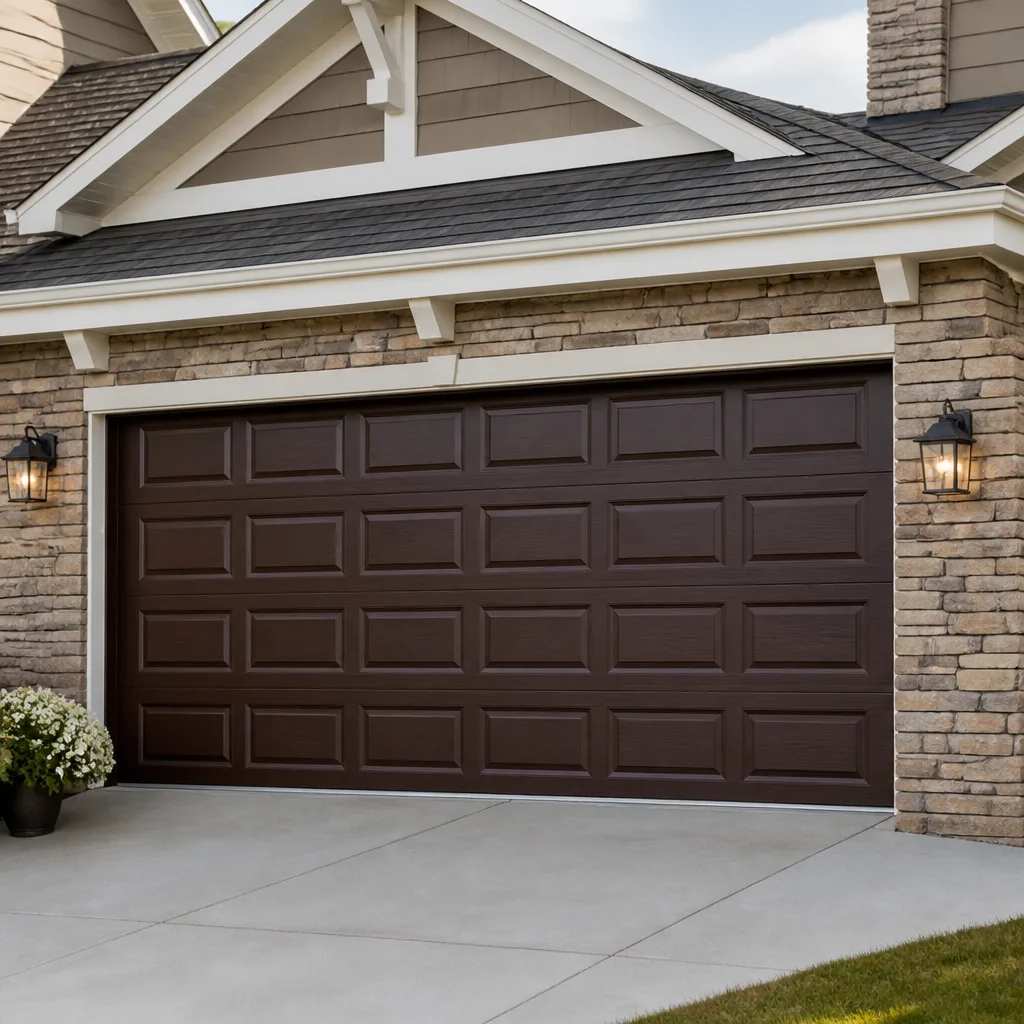 Raised-panel steel
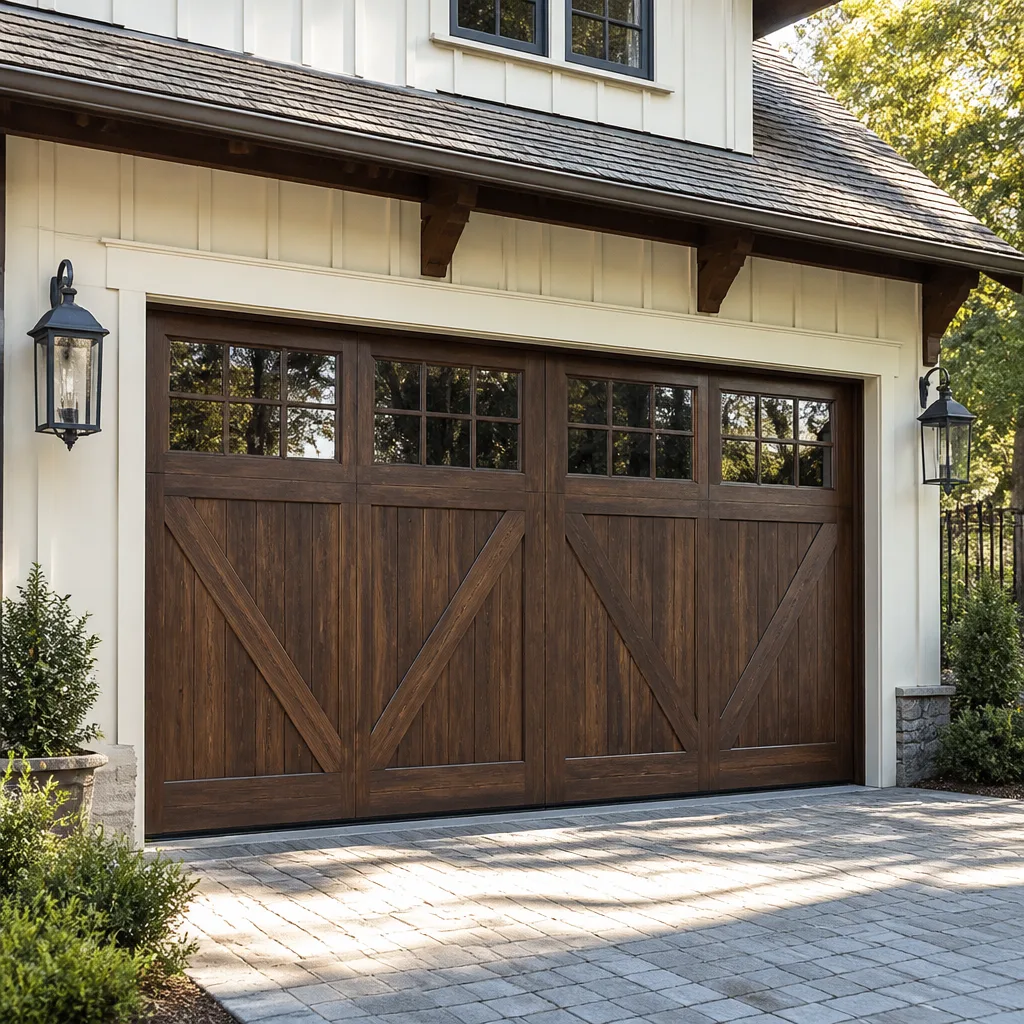 Carriage house
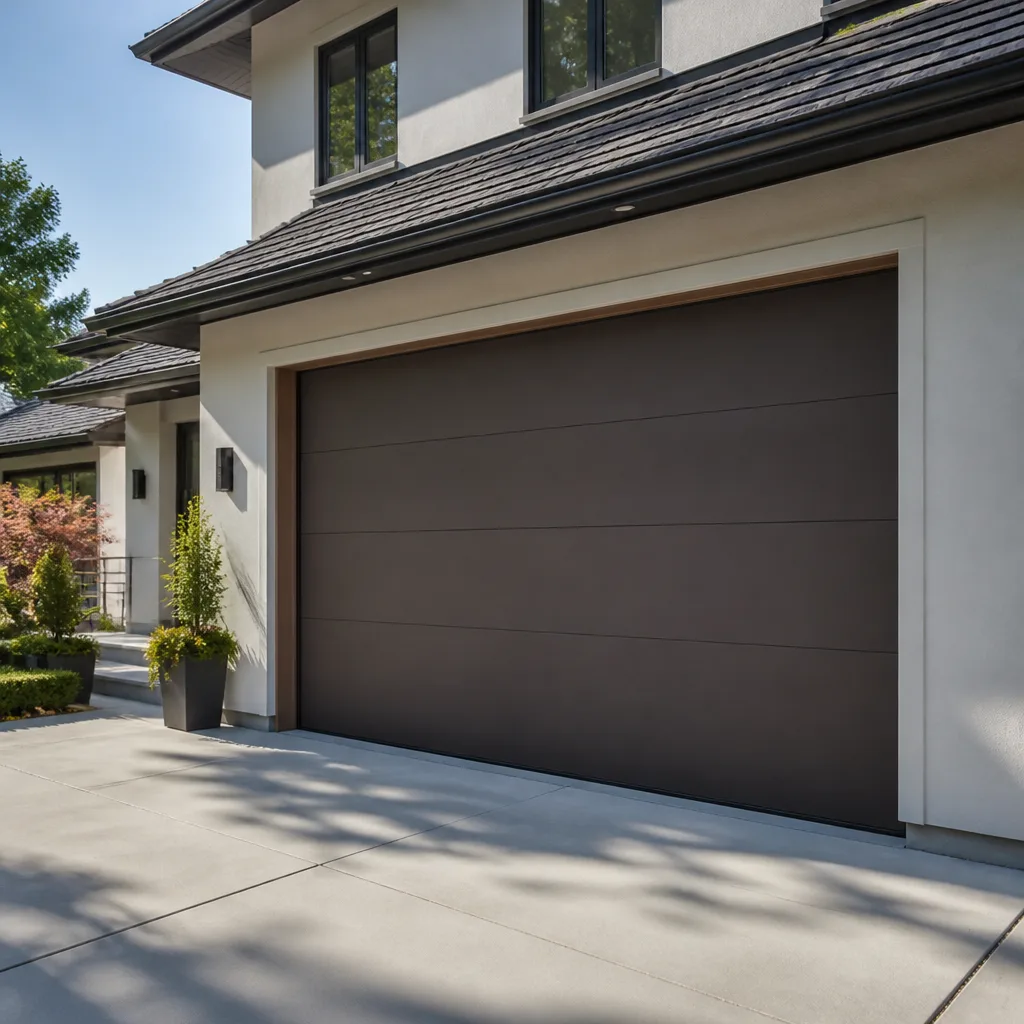 Modern flush
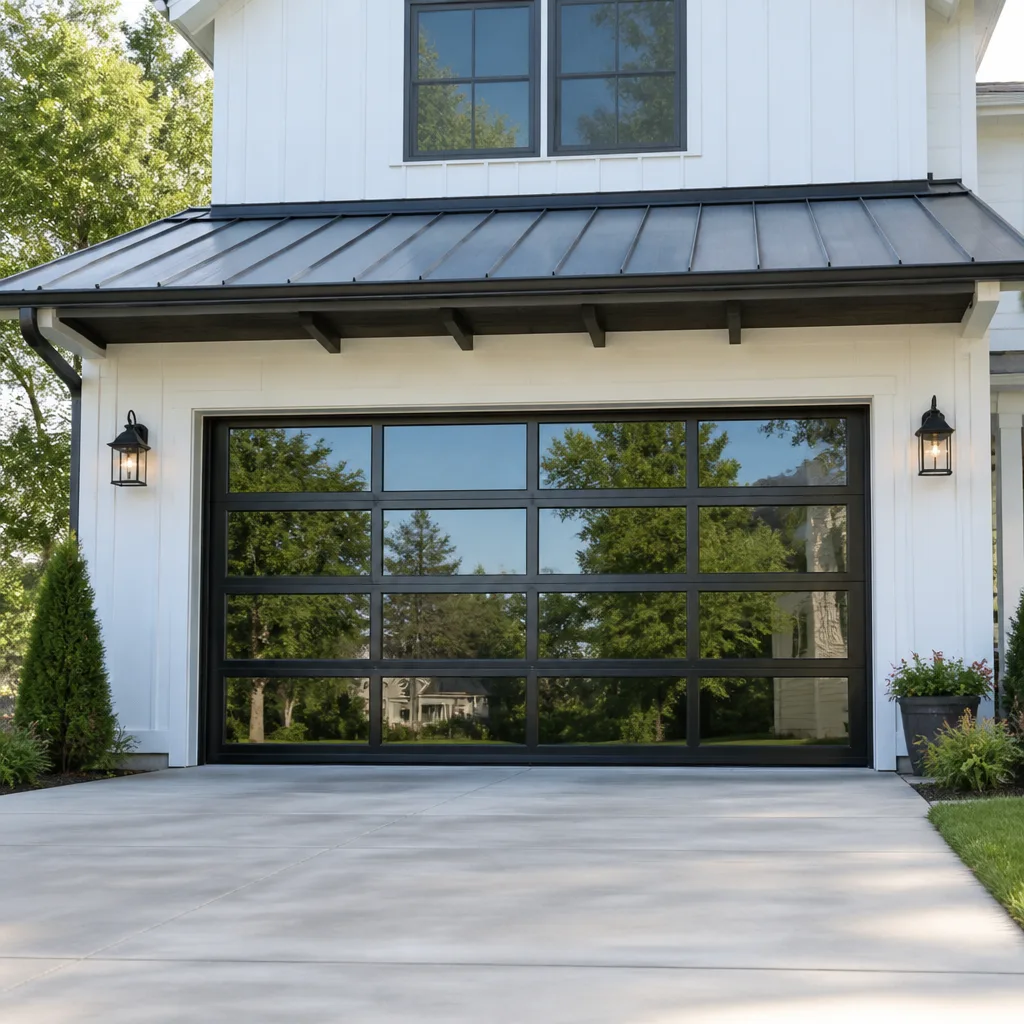 Full-view glass
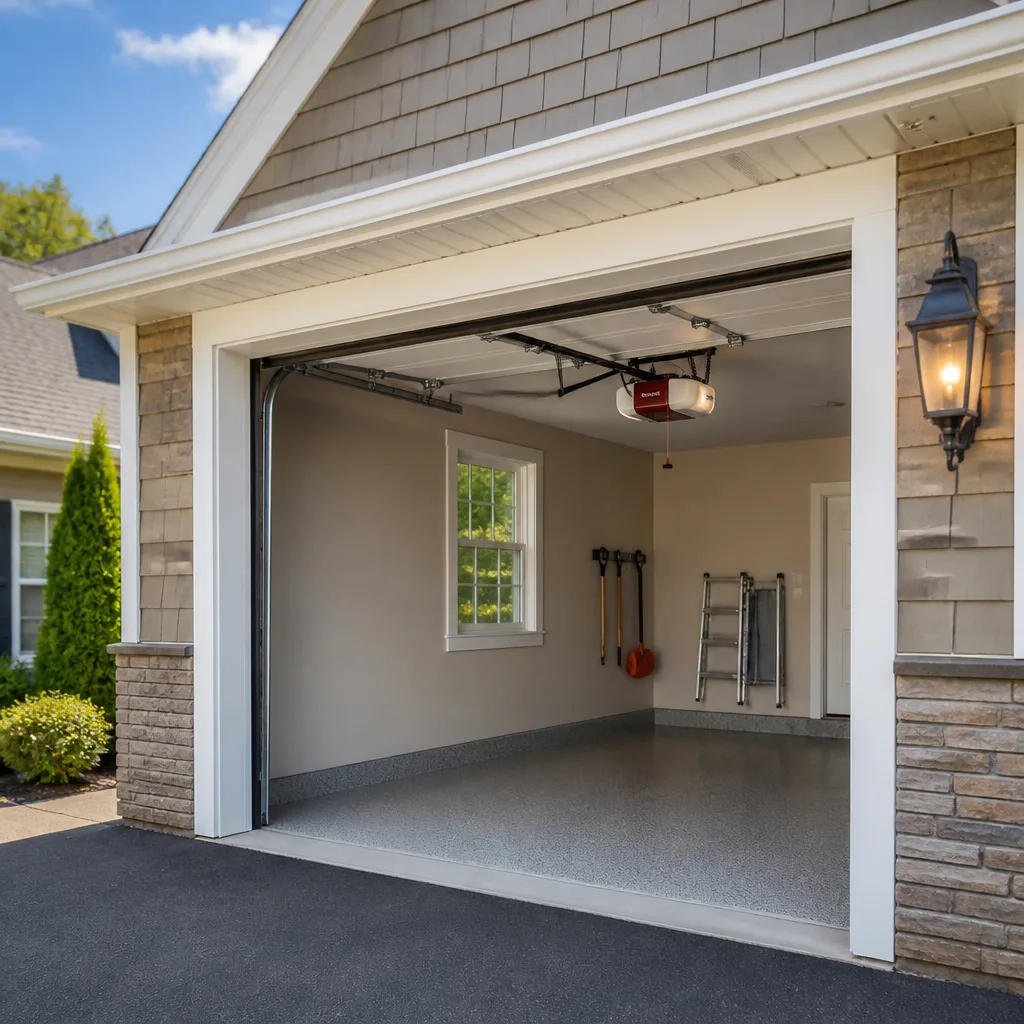 LiftMaster openers
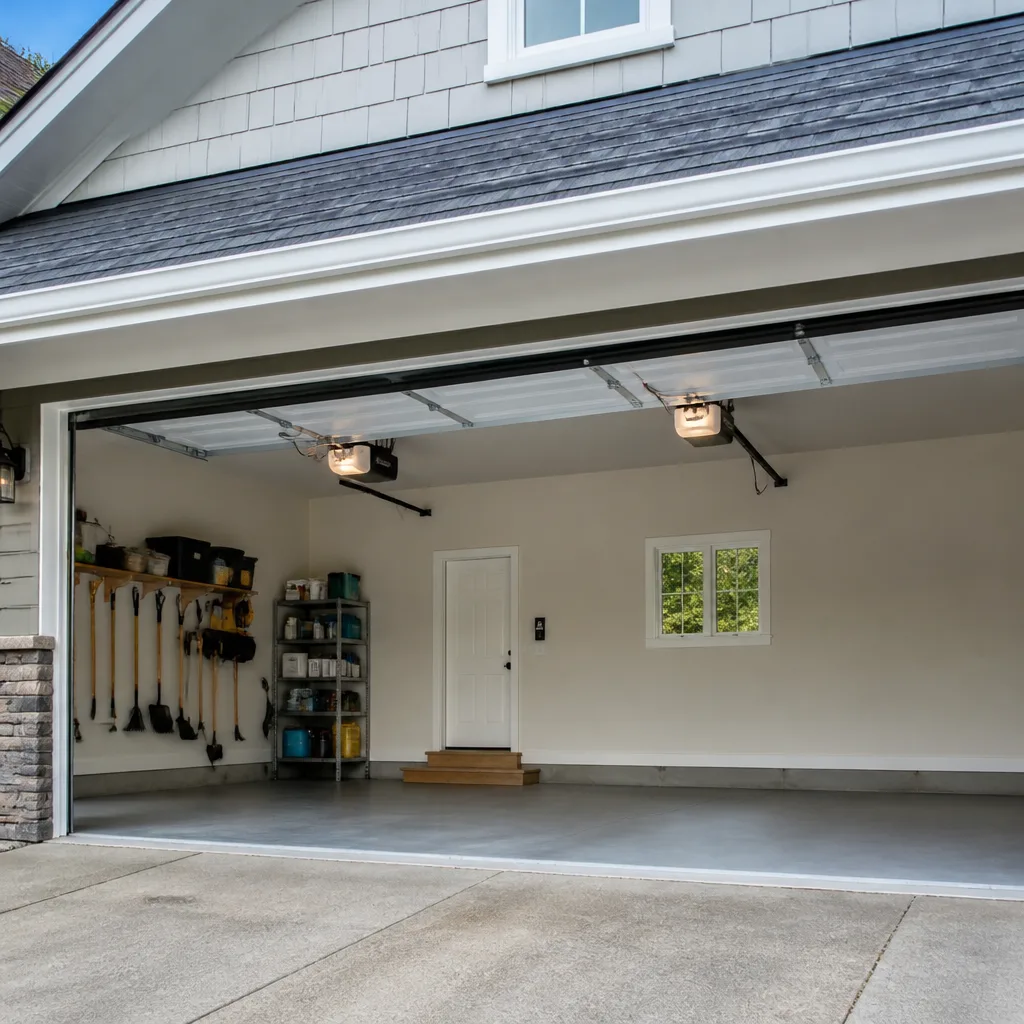 Chamberlain openers
Full 25-point door and opener safety check with every visit - springs, cables, rollers, tracks, and your LiftMaster or Chamberlain opener included
You get a price before we start. It does not change when the pro arrives.
Get your free estimateThe Complete Guide to Garage Doors in Doral
Most garage door guides are written for places where the biggest threat is snow. If you live in Doral, you already know that advice doesn’t fit. A door here faces hurricane-season wind loads that Miami-Dade County regulates closely, humidity that sits near saturation for months, and a daily temperature swing as the garage goes from an AC-cooled interior to a sun-baked exterior. None of that appears in a generic checklist, and it changes how a door should be built, sized, and maintained. This guide treats Doral’s climate, code, and housing stock as the starting point. You’ll learn which door constructions are actually built for this city, how the hardware holds up, realistic lifespans, and when a repair has stopped making sense.
Quick Answer
A garage door in Doral needs to meet Miami-Dade County’s High-Velocity Hurricane Zone wind-load rules, use corrosion-resistant hardware suited to the humidity corridor, and be matched to a home’s actual opening. That means door selection here is driven by code compliance and moisture resistance first, style second, and every spring, cable, panel, and opener should be chosen for South Florida’s climate rather than a national average.
Styles & brands we work with
- Raised-panel steel
- Carriage house
- Modern flush
- Full-view glass
- LiftMaster openers
- Chamberlain openers
Table of Contents
- Why Miami-Dade Wind-Load Rules Change Door Choice in Doral
- Galvanized vs. Aluminum Hardware in Doral’s Humidity
- Doral Housing Types and How They Affect Sizing
- Choosing an Opener for Doral’s Daily Thermal Cycling
- Realistic Lifespans for Springs, Cables, and Panels Here
- A Seasonal Maintenance Routine for Doral
- Repair or Replace? A Decision Path
- Common Mistakes to Avoid
Why Miami-Dade Wind-Load Rules Change Door Choice in Doral
Doral sits inside the High-Velocity Hurricane Zone, so garage doors here have to be tested and labeled to a Miami-Dade County wind-load standard rather than a general national one. That single fact reshapes every decision. A door that’s perfectly fine in the Midwest may not be legal to install on a Doral home, and a labeled door only performs as rated when it’s installed with the approved brackets, tracks, and anchors that go with it.
Wind-load ratings describe the pressure a door assembly can resist at a given load. Stronger ratings generally call for heavier-gauge steel, more reinforcement, and engineered attachment to the framing. When you’re shopping, the label matters more than the brochure.
- A door’s product approval label should list the specific Miami-Dade or Florida approval number and the wind pressures it’s rated for.
- The assembly, not just the panel, is what gets rated: hinges, tracks, jamb brackets, and anchors all appear on the approved configuration.
- Two doors of identical width can carry very different ratings depending on reinforcement and glazing.
- If a contractor can’t produce the label for the door being quoted, that’s a reason to pause.
A common mistake in Doral is buying a door for looks and then discovering the hardware isn’t rated for the opening. The reverse also happens: a well-rated door installed with untested struts and brackets. Before any order is placed, ask the city’s building department what documentation the permit requires and hand that list to whoever supplies the door. We can work with your insurer if an approved installation helps you document the wind-load question, and we can point you to what the permit file should contain, but the approved manufacturing label is what anchors the decision.
If a spring or track failure leaves a door hanging off its anchors, don’t operate it. That’s a security and safety situation, and it’s exactly what our garage door repair callout is for.
Galvanized vs. Aluminum Hardware in Doral’s Humidity
Humidity is the quiet variable in Doral garage door service. It’s not that there’s salt in the air; it’s that warm, moisture-heavy air is present most of the year, and every hinge, roller, and fastener interacts with it differently. The hardware you choose determines how often you’re chasing rust, sticking rollers, and corrosion-spotted tracks.
Galvanized steel is steel with a zinc coating applied during manufacturing. The zinc sacrifices itself to protect the steel underneath, which makes galvanized tracks and hinge plates genuinely durable in humid conditions. Aluminum is lighter and naturally resists rust, but the wrong aluminum alloy can oxidize and pit, and where aluminum meets steel you can get galvanic corrosion if they’re not isolated properly.
- Galvanized tracks: the default for most Doral garages; zinc coating resists surface rust and holds up to humidity.
- Aluminum rollers with nylon tires: quieter than steel rollers and resistant to rust on the moving parts.
- Stainless or zinc-plated fasteners: the details rust first, so the screws and anchor bolts matter.
- Gap where steel contacts aluminum: keep it isolated or expect pitting at that joint over time.
We’ve seen plenty of door failures that started as a rusted bottom bracket rather than any dramatic break. That’s why hardware selection matters as much as the panel finish. A powder-coated or baked-on finish resists humidity far better than a painted one. Glazing and weather seals should be inspected for cracking each season, since a failing seal lets humid air into the door assembly itself.
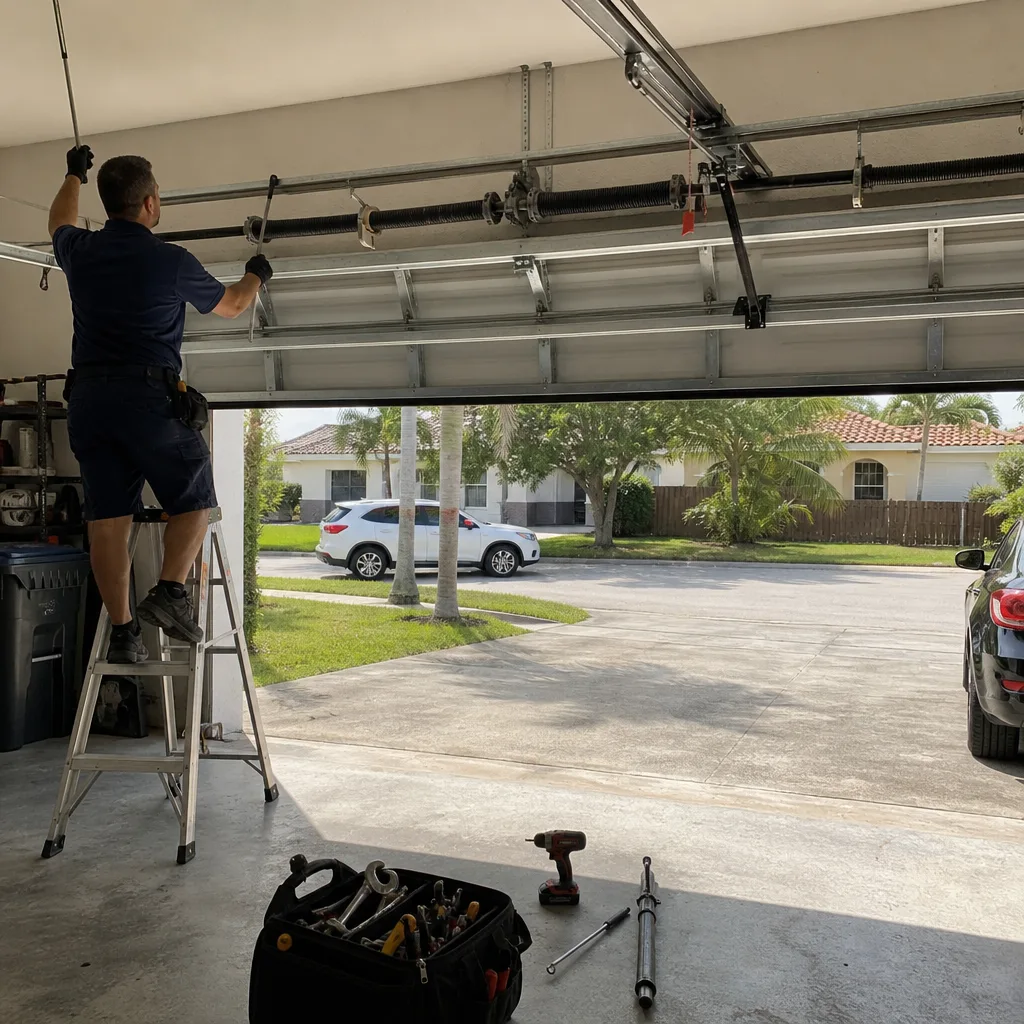
During an annual run-through, look for rust spots at hinge plates, white chalky corrosion on aluminum, and roller wear. Our technical depth on the moving parts of the system is here a lot: the garage door opener repair guide covers how hardware wear and opener strain tend to appear together.
Doral Housing Types and How They Affect Sizing
Garage doors aren’t a universal fit. In Doral, the dominant housing stock is single-family stucco construction and attached townhomes, and each has its own sizing realities. Stucco homes often have a header that’s deep but not tall, and a garage opening that was framed for a specific door type. Townhomes are frequently engineered with tighter clearances and shared structural walls. Those details decide whether a standard-size door fits, what type of track configuration you need, and whether a low-headroom setup is required.
What to measure and what to share with a supplier or technician:
- Measure the finished opening width from jamb to jamb, not the rough framing.
- Measure the headroom from the top of the opening to the ceiling.
- Measure the backroom: the distance from the opening to the first obstruction.
- Note whether the drive runs through the garage ceiling or along the wall.
- Check the side clearance for the vertical track and torsion spring assembly.
A stucco home with an AC-cooled garage and a deep header may need a different torsion spring assembly than a townhome with a tight side clearance. Getting the measurements right before ordering saves the pain of a door that’s one inch too tall or a track that can’t be mounted.
These measurements also feed into spring selection, which is why a professional quoting job matters. The garage door spring repair page explains how the spring is matched to the door weight and opening, which is directly tied to the sizing work above. For a broader city-level overview, the Doral Garage Door Repair Pros home base covers the full service range.
Choosing an Opener for Doral’s Daily Thermal Cycling
A garage in Doral cycles between an interior that stays cool because it’s attached to the AC-cooled house and a shell that can reach high temperatures in the afternoon sun. Every opener motor, gearbox grease, and logic board experiences that swing daily. Some drive types handle it better than others.
- Belt drive: quietest and smoothest for the majority of Doral homes, with a steel-reinforced belt that copes with temperature changes better than exposed chain hardware.
- Chain drive: durable and widely available, but noisier; the chain itself needs more periodic lubrication in humid air.
- Screw drive: fewer moving parts and often easier to maintain in heat, but louder and less common.
- Jackshaft (wall-mounted): good when ceiling clearance is tight in townhomes; the motor is out of the hottest part of the ceiling cavity.
Whichever you choose, the opener is only as good as the door it’s lifting. A door that runs heavier than it should because of worn rollers or a sagging spring makes the opener work harder and shortens its life. Before replacing an opener, make sure the mechanical side is sorted. That’s the reasoning behind the openers we handle: LiftMaster and Chamberlain are common in Doral, and we service the rest of the major platforms too, so brand isn’t a dead end. The right opener for your Doral garage is one matched to the door weight, opening height, and available power, and confirmed in the written quote before anything is installed.
Realistic Lifespans for Springs, Cables, and Panels Here
North American lifespan figures are usually quoted for climates with a cold winter and a dry summer. Doral is different: sustained humidity, daily thermal cycling, and year-round use push some components closer to their end sooner than a national average suggests. These ranges are typical estimates, not promises; the written estimate sets the final price and the technician’s assessment confirms the condition.
- Torsion springs: often the shortest-lived part in a Doral garage; the cycle count runs higher here because the door is used daily and the spring is working in warm, humid air.
- Cables: failure usually starts at a fitting or a frayed strand; humidity accelerates that wear and is worth checking each season.
- Rollers and hinges: the parts that live in the tracks seem to wear sooner in humid conditions; nylon rollers last longer than steel ones.
- Panels: steel panels can outlast most moving parts, but finish and moisture control determine how long they keep their appearance.
- Opener: the gearbox and logic board tend to reach end of life before the door itself in this climate.
What this means for planning: budget for spring work as a routine event rather than a surprise, keep rollers and hinges clean, and treat your opener as a component with its own lifespan.
Springs are the highest-stakes item on this list. A torsion spring under tension can cause serious injury, and it’s not a part to handle without the proper winding bars and training. If you hear a loud snap or find the door suddenly heavy and hard to lift, stop using it and call a professional. That’s why we treat spring work as a specialty rather than a generic repair.
A Seasonal Maintenance Routine for Doral
A door that gets a routine once a season will outlast one that only gets attention when something breaks. The routine below is a survey rather than a repair guide: you’re looking for problems, not fixing them yourself.
- Open and close the door and listen. Grinding and squealing point to rollers, hinges, or opener strain.
- Look at the hinges and roller plates for rust, white corrosion, or loose screws.
- Check the tracks for debris and bends; a clean track is a fast track.
- Test the safety reverse: place a piece of wood or a rolled-up mat under the door and confirm it reverses.
- Look at the bottom weather seal for cracking or gaps.
- Check the panel finish for chalking or peeling and note any spots that need attention.
- Confirm the opener’s remote and wall controls respond and that the light comes on.
Keep a simple log of what you find. If you spot a frayed cable, a spring that looks stretched, or a door that’s visibly off track, stop and call a technician. Cables and springs carry tension, and the failure mode is dangerous.
Seasonal timing matters in Doral. Check the door before hurricane season is the practical choice, since the wind-load rating and hardware condition are linked. Our garage door repair service is where most of these checks end up if something turns up, and our emergency service exists for the urgent failures that don’t wait for a scheduled visit.
Repair or Replace? A Decision Path
The repair-versus-replace call comes down to what’s actually failed and how much of the assembly is still sound. A single spring or a worn set of rollers on an otherwise healthy door is a repair. A door with a bent track, failing panels, and a frame that doesn’t match the opening is a replacement. The path below helps sort it out.
- Identify the failed component: spring, cable, roller, track, opener, or panel.
- Look at the rest of the door’s condition: rust, finish, and track alignment.
- Check the wind-load label against the opening and the current code requirements.
- Compare a repair estimate to a replacement estimate for the same job.
- If the door is a matched system and only one part failed, repair usually wins.
- If two or more major systems are at the end of their life, replacement is worth pricing.
Replacement is a different kind of project from a repair. It’s measured, ordered, and scheduled around the door’s production and the permit, so it isn’t a same-day event. What we promise is a free measure and a written price before anything is ordered.
If you’re on the fence, the steady approach is a diagnostic visit that confirms the failed component and gives you both numbers. A repair that fixes the real problem is cheaper than a replacement that isn’t needed; a replacement that’s overdue isn’t fixed by chasing parts.
Common Mistakes to Avoid
- Buying a door without checking the wind-load label for Doral. A door that’s fine elsewhere may not be rated for a High-Velocity Hurricane Zone opening. Ask for the approved configuration before you order.
- Ignoring humidity when choosing hardware. Galvanized tracks and nylon rollers last longer here than plain steel. Saving a few dollars on hardware usually costs more later.
- Choosing an opener by price alone. A drive type that’s fine in a mild climate may be strained by daily thermal cycling. Match the opener to the door weight and opening.
- Assuming Doral is like a dry city in the number of years a spring lasts. Springs aren’t a lifetime part here; plan for them.
- Forgetting the permit and documentation. A replacement that skips the county paperwork can create a problem when you sell.
- DIY spring work. Torsion springs carry dangerous tension. This is the one repair that should always be a professional’s call.
- Ignoring a door that’s off track. Running an off-track door strains the opener, damages the panels, and can bring a door down.
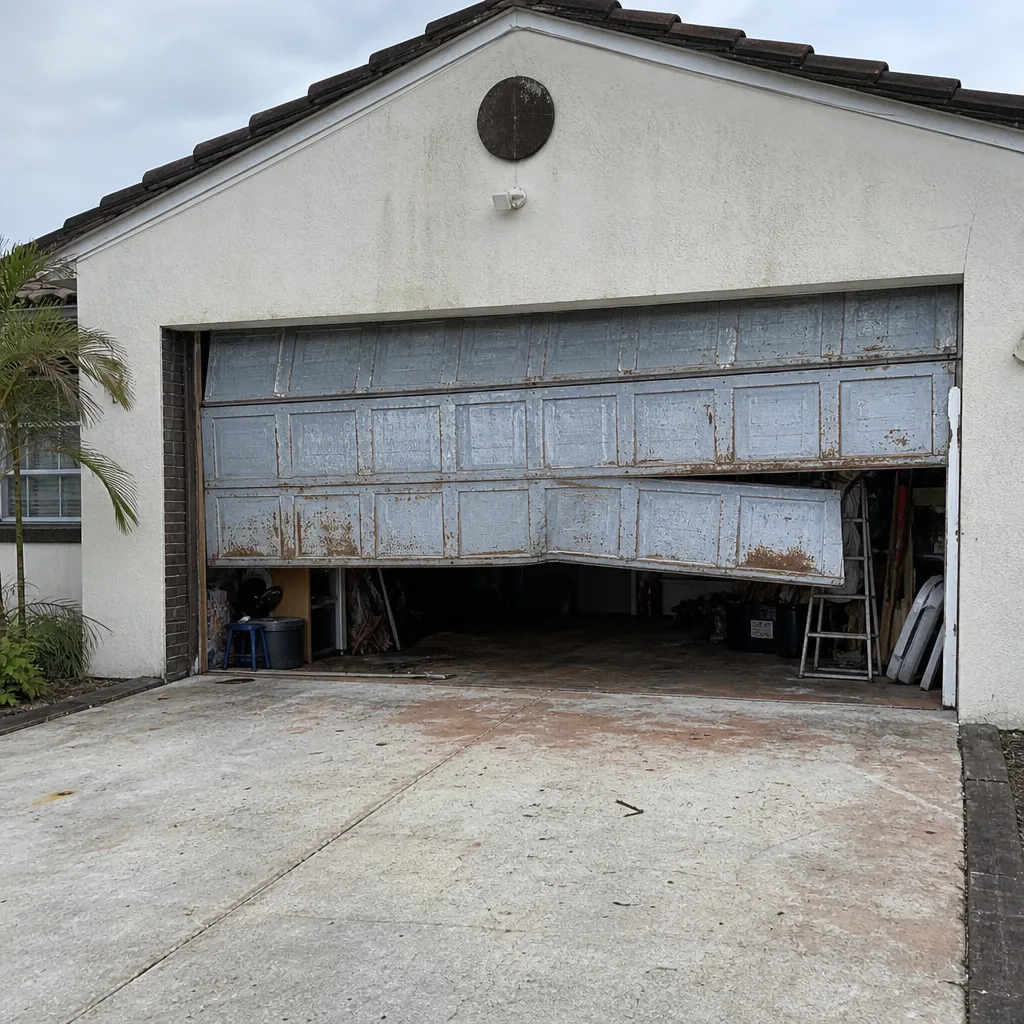
See the difference
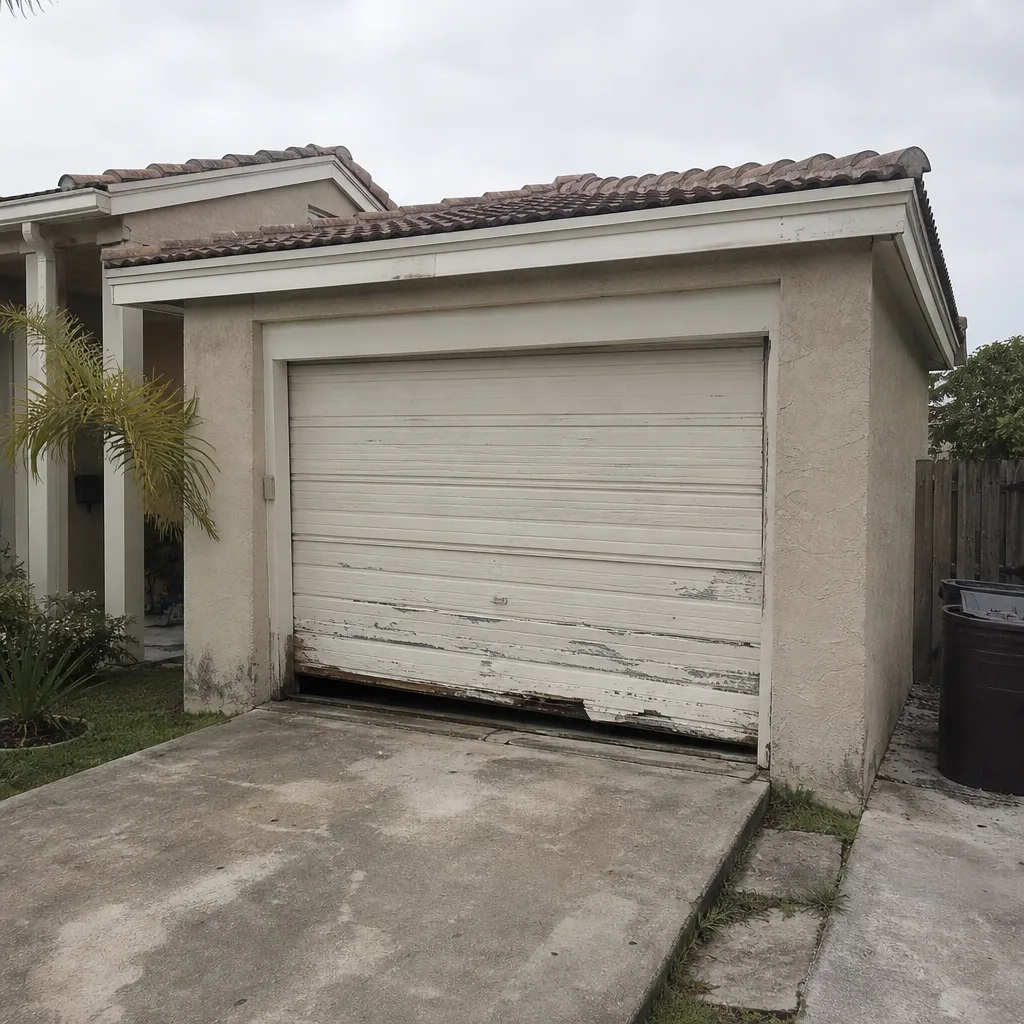 Before
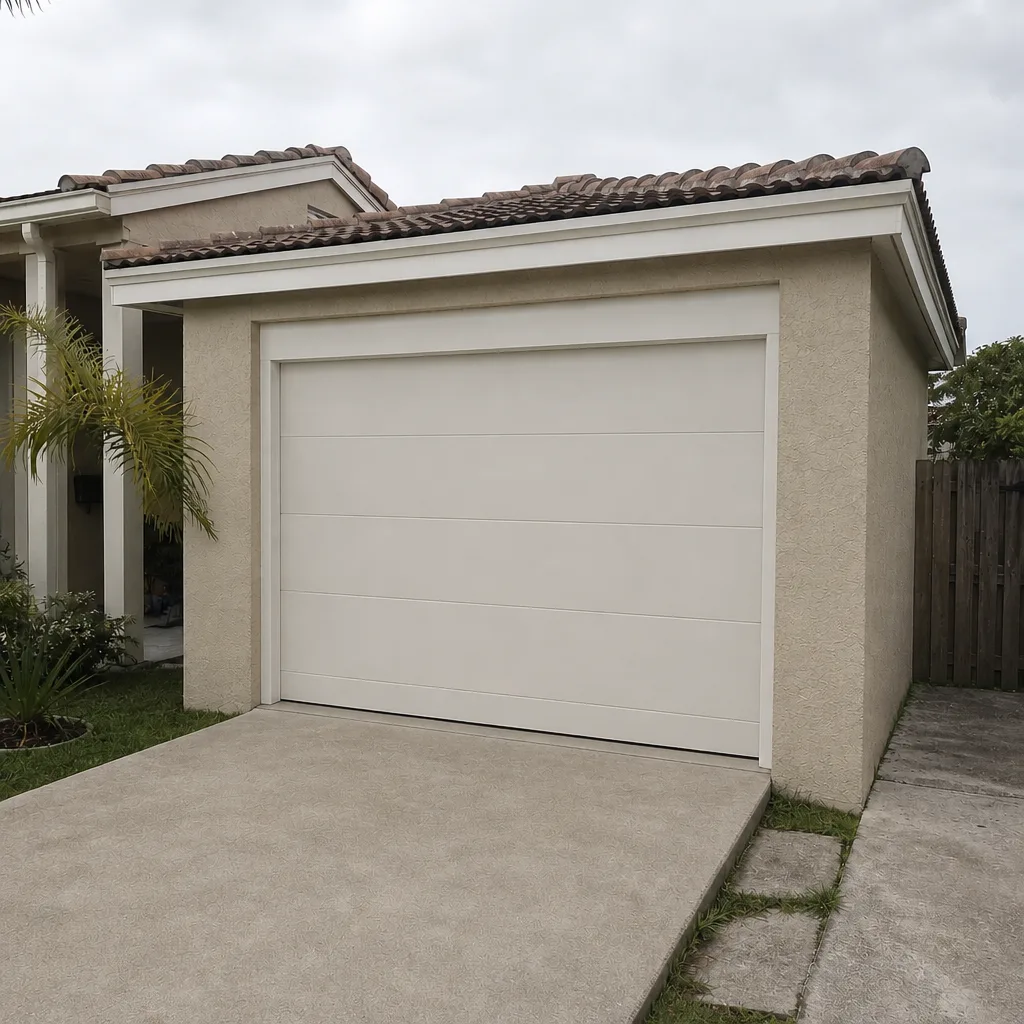 After
 Before
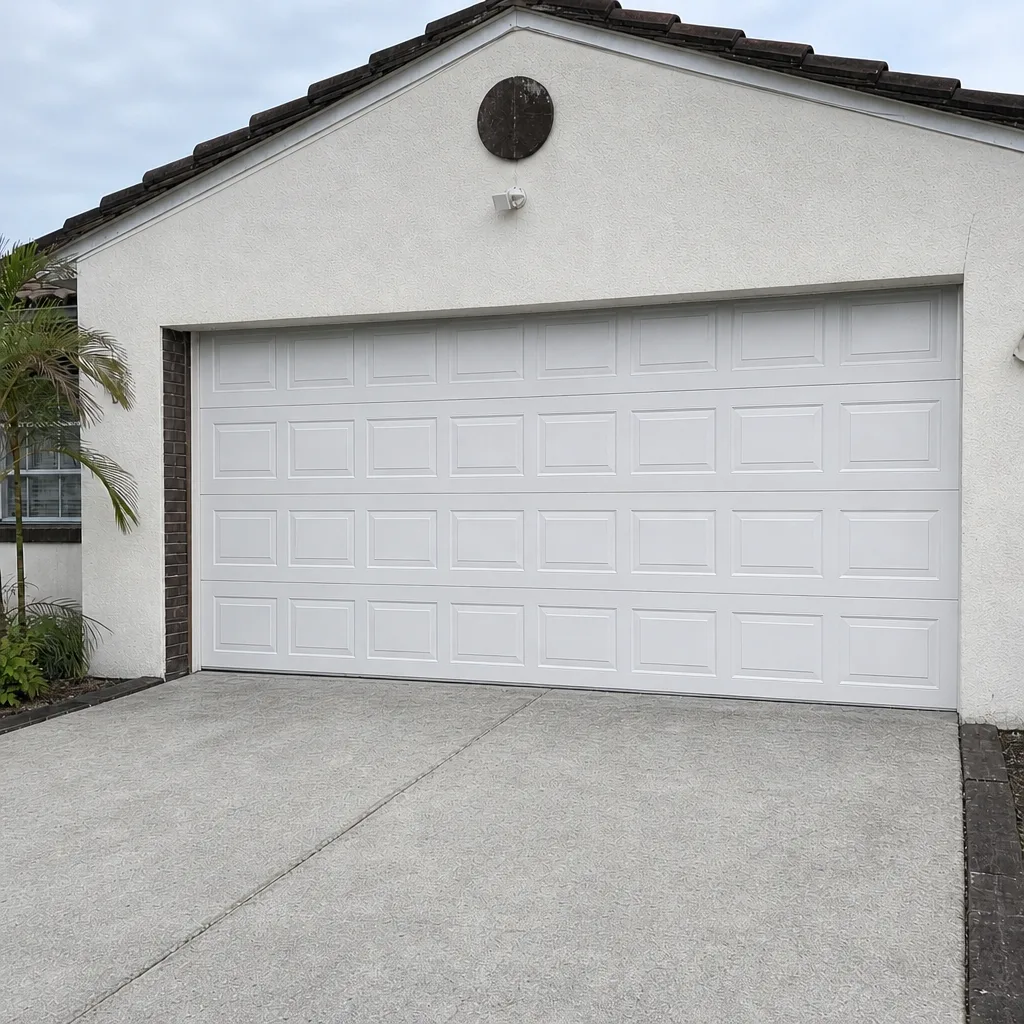 After
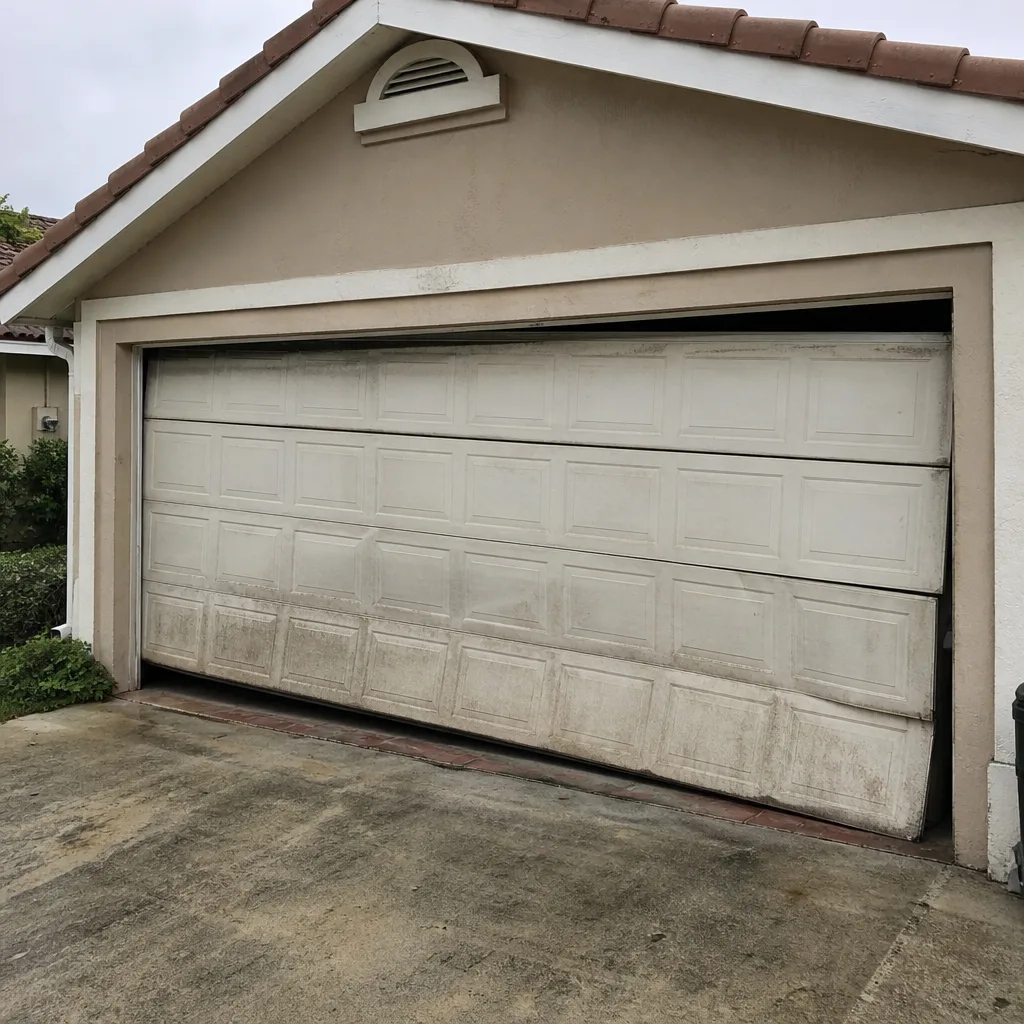 Before
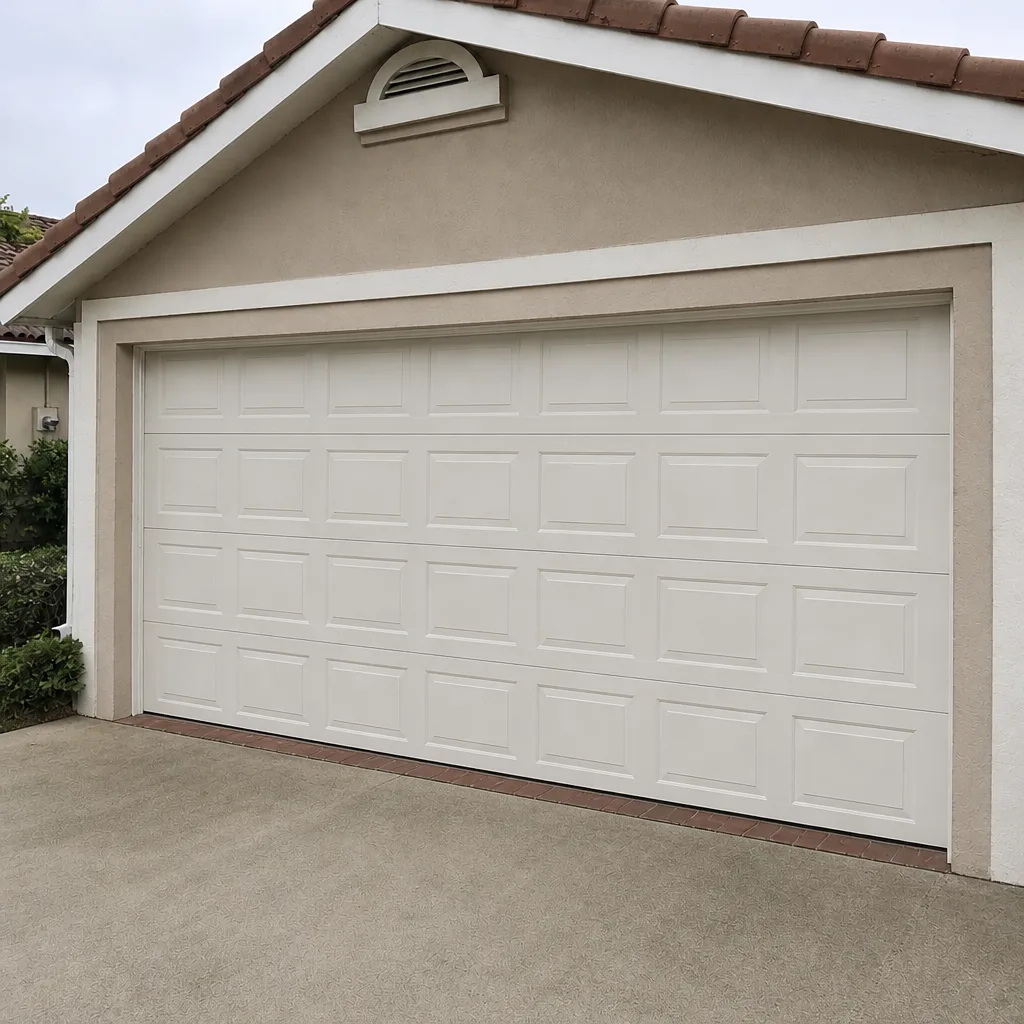 After
When to Call a Professional
Call a specialist when the door won’t open or close, when it’s visibly off its tracks, when you hear a loud snap from the spring area, or when the opener runs but the door doesn’t move. Call if the door is heavy to lift, if a cable looks frayed, or if the bottom seal has failed and the door lets weather in. Call if you’re buying a replacement and need the opening measured and the right door specified. Doral Garage Door Repair Pros offers free estimates in Doral, and our technicians have up to 15 years of experience. Call (833) 508-9161.
Frequently Asked Questions
Yes. Doral sits in the High-Velocity Hurricane Zone, so a garage door replacement is generally subject to Miami-Dade County wind-load requirements, and the door should carry the appropriate approval label. Ask the city’s building department exactly what documentation the permit needs, and confirm the door’s approved configuration with the supplier. Call (833) 508-9161 for an exact quote; estimates are free.
Repair pricing depends on the failed component, so the honest answer is that a diagnosis comes first and a written quote follows. We quote and agree the price before any work starts, so the estimate you accept is the invoice. Call (833) 508-9161 for an exact quote; estimates are free.
Springs tend to reach the end of their life sooner here than in a dry, cool climate because the door runs every day in humid, warm air. That makes spring work a routine event to plan for rather than a shock. If you hear a snap, stop using the door and call (833) 508-9161.
We service the major door and opener platforms, including LiftMaster, Chamberlain, Genie, Clopay, Amarr, Wayne Dalton, Craftsman, and Raynor. Brand is not a reason for a dead end on our end. Call (833) 508-9161 to confirm your system before the technician arrives.
We offer emergency service for failures that compromise security or leave the door unusable, and that’s a confirmed offering rather than an afterthought. Call (833) 508-9161 so we can tell you exactly what’s available. For a routine replacement, the timeline is measured, ordered, and scheduled, so it isn’t same-day work.
The right opener is one matched to the door’s weight, the opening height, and the available power, and confirmed in the written estimate. Belt drive suits most homes here because it’s quiet and handles the daily temperature swing well. Call (833) 508-9161 for a free estimate on the right fit.
The Bottom Line
A garage door in Doral is a system built for humidity, daily thermal cycling, and hurricane-zone wind loads, not a generic panel on a track. Choose hardware with the humidity in mind, confirm the wind-load label before ordering, match the opener to the door, and treat springs as a part with a real lifespan. Repair the failed component when the rest of the door is healthy, and price a replacement when several systems are worn. Whether it’s a repair or a full replacement, you’ll get a written price agreed before any work starts. Call (833) 508-9161 for a free estimate in Doral.
Written by the team at Doral Garage Door Repair Pros.